
Key Takeaways
- The thermostat is the small brain that tells your geyser when to stop heating, so a faulty one either burns power or leaves you shivering.
- Most storage geyser thermostats can be tested with a basic multimeter in under ten minutes once power is off at the MCB.
- Set the dial around 55-60 °C for a good balance of comfort, bacteria control, and less scale build-up.
- Hard water and loose terminals are the two biggest reasons a thermostat fails early in Indian homes.
- If the reset button keeps tripping, that is a warning sign, not something to keep pressing.
A thermostat is a tiny part, maybe the size of two fingers, yet it decides whether your morning bath is warm, scalding, or stone cold. I have opened up geysers where the tank and element were perfect, but a five-rupee contact inside the thermostat had welded shut and the family was paying double the electricity bill without knowing why. Getting friendly with this part is one of the smartest things you can do, and it sits right alongside the wider habits I cover in our water heater maintenance routine.
What the Thermostat Actually Does
Inside a storage geyser, the thermostat reads the water temperature and cuts power to the heating element once it reaches the set point. When water cools, it switches the element back on. That simple on-off cycle is happening quietly all day.
Most Indian storage geysers use a capillary or rod-type thermostat with a manual dial, plus a separate thermal cut-out (the little red reset button) as a safety backup. The dial handles daily comfort. The cut-out only acts if the main thermostat fails and water gets dangerously hot.
Knowing these are two different parts saves a lot of confusion. A tripping reset button and a wrong temperature are two separate stories, and I will keep them apart through this article.

Signs Your Thermostat Needs Attention
A thermostat rarely dies without warning. It usually drops hints for a few weeks first. Catch these early and you avoid a cold-water surprise on a January morning.
- Water is far too hot even on a low dial setting, sometimes steaming at the tap.
- Water never gets properly hot no matter how long you wait.
- The geyser runs constantly and the indicator light never switches off.
- The reset button trips again and again within days.
- You hear a faint clicking or smell a warm plastic odour near the terminal cover.
A family I helped in Pune had a geyser that stayed on all night. The dial was fine, but the internal contacts had stopped opening. Their unit was heating water to near boiling around the clock. That is both a safety risk and a silent drain on the meter.
Safety First: Before You Touch Anything
Warning: A geyser terminal carries 230 V and sits next to a tank of water. Always switch off the wall MCB or unplug the unit, then confirm the indicator is dead before removing the terminal cover. If your home has no ELCB or RCCB protecting the bathroom circuit, stop and get that fixed first.
I never open a thermostat cover with the power live, and I never trust the wall switch alone. Confirm the light is off, wait a minute, and check earthing continuity if you have any doubt. Wet hands and 230 V do not forgive mistakes.
How to Test a Geyser Thermostat
Testing a thermostat with a multimeter tells you plainly whether the part is passing current or not. You need a basic digital multimeter, a screwdriver, and dry hands. Here is the routine I follow on a service call.
- Switch off the MCB feeding the geyser and confirm the indicator light is dead.
- Remove the bottom terminal cover with a screwdriver and take a phone photo of the wiring before you disturb it.
- Note the two thermostat terminals. Loosen and gently pull the wires so the thermostat sits isolated.
- Set your multimeter to continuity or the lowest resistance range and touch the two probes to the thermostat terminals.
- With the water cold and the dial turned up, a healthy thermostat shows near-zero resistance or a beep, meaning contacts are closed.
- Turn the dial down to minimum. The reading should jump to open (no beep, infinite resistance) as contacts separate.
- Test the thermal cut-out the same way across its terminals. It should show closed unless it has tripped.
If the thermostat stays closed at every dial position, it is stuck and will overheat the water. If it stays open when cold with the dial high, it is dead and the element will never fire. Either way, the part needs replacing, not repairing.
Setting the Right Temperature
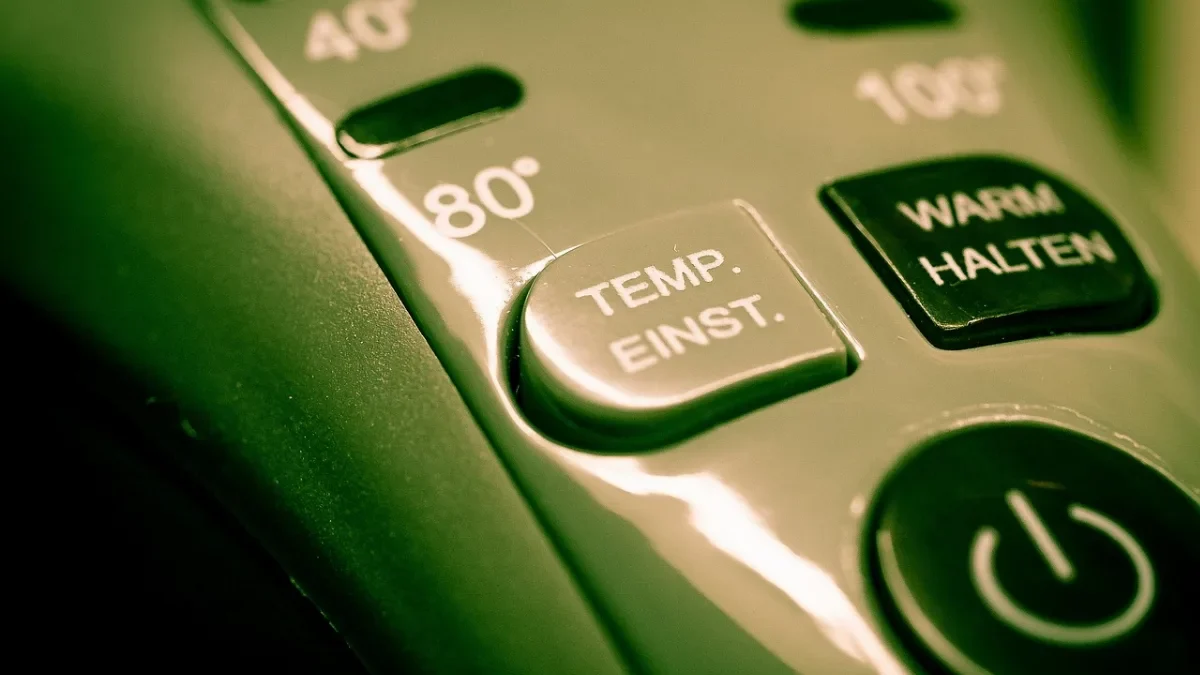
People often crank the dial to maximum thinking it heats faster. It does not. It only heats hotter, which wastes power and speeds up scale forming on the element in our hard-water regions.
| Dial setting | Approx temperature | Best for |
|---|---|---|
| Low | 40-45 °C | Summer, mild climate, single user |
| Medium | 50-55 °C | Everyday use in most homes |
| Medium-high | 55-60 °C | Winter, larger family, hard water |
| Maximum | 65-75 °C | Rarely needed, high scale and scald risk |
I usually recommend 55-60 °C. It is hot enough to discourage bacteria in the tank, comfortable when mixed with cold at the tap, and gentle on the element. This range also aligns with the energy habits explained by the Bureau of Energy Efficiency, whose star ratings assume sensible temperature use.
Calibration: When the Dial and Reality Disagree
Sometimes the thermostat works but the printed numbers no longer match the water. You set medium and the water comes out barely warm, or lukewarm at maximum. This drift happens as the sensing element ages.
Most consumer geyser thermostats are not truly adjustable for calibration. What you can do is measure the actual tap temperature with a kitchen thermometer, then learn your unit’s real behaviour and set the dial to match. If the gap is wide, the part is tired and a replacement restores accuracy.
Tip: Fill a mug from the hot tap after a full heating cycle and check it with a thermometer. Do this twice a year. If your medium setting drifts more than 8-10 °C from last time, plan a thermostat change during your next service.
Keeping the Thermostat Healthy
Thermostats fail for a handful of ordinary reasons, and most are preventable. Hard-water scale is the top culprit because it coats the sensing rod and slows its reading, so the element runs longer than it should.
- Descale the tank and element every 12-18 months in hard-water areas so the thermostat reads real water temperature.
- Check the terminal screws are tight; a loose connection arcs, heats up, and cooks the thermostat contacts.
- Keep the temperature at a sensible 55-60 °C rather than maximum to reduce stress on the contacts.
- Fit a timer so the geyser is not cycling needlessly all day.
- Never keep pressing a reset button that trips repeatedly; find the cause instead.
Regular flushing and descaling do more for thermostat life than any single trick. You can pair this check with a full tank clean using our guides on how to flush a water heater and on geyser descaling, since the panel is already open at that point.
When to Replace and When to Call a Pro
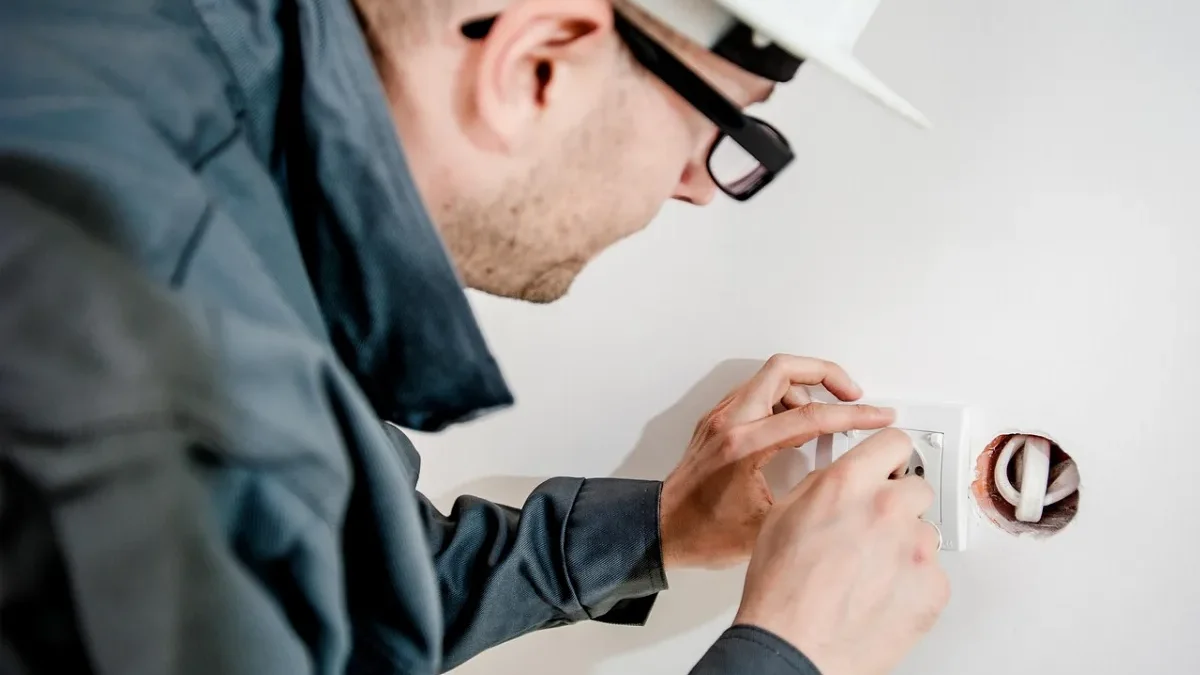
A thermostat is a cheap part, usually a few hundred rupees, and swapping it is straightforward for anyone comfortable and careful with mains wiring. But comfort is the key word. If you are unsure about live terminals, earthing, or which wire goes where, this is a job for a qualified electrician.
Call a professional if the reset button trips the moment power returns, if you smell burning, if the body of the geyser gives even a tingle, or if the same fault returns within weeks. Those point to a deeper wiring or element problem that a fresh thermostat alone will not solve.
Frequently Asked Questions
How often should I test my geyser thermostat?
A quick multimeter check once a year is plenty for most homes, ideally before winter when you rely on the geyser most. If you notice water running too hot or too cold, test it right away rather than waiting for the annual service.
Can I test a thermostat without removing it?
Yes, you can probe the terminals in place once power is off and the wires are loosened. You do not have to unbolt the thermostat from the tank to read continuity. Just make sure the MCB is off and the indicator light is dead before touching anything.
Why does my geyser reset button keep tripping?
A repeatedly tripping reset means the water got too hot, usually because the main thermostat contacts are stuck closed. It can also point to a shorted element. Do not keep resetting it; test the thermostat and element, and call an electrician if the fault repeats.
What temperature should I set the thermostat to?
Around 55-60 °C suits most Indian homes. It is warm enough to limit bacteria in the tank and comfortable once mixed with cold water, while staying gentle on the element and reducing scale. Push higher only in very cold winters or with a large family.
Is a faulty thermostat dangerous?
It can be. A thermostat stuck in the on position lets water overheat, which raises pressure and scald risk. The thermal cut-out is a backup, but relying on it long term is unsafe. Replace a faulty thermostat promptly and keep your earthing and ELCB in good order.
Keeping the Warm Water Flowing
A thermostat is small, but treating it with a little respect keeps your bathing comfortable and your bill honest. Test it once a year, keep the tank descaled, and set a sensible temperature, and this part will quietly do its job for years. For the full picture of caring for your unit, walk through our water heater maintenance guide, or browse more practical help in the maintenance section.