Key Takeaways
- The anode rod is a sacrificial metal rod inside your geyser tank that corrodes on purpose so the steel tank does not.
- In hard-water India, a rod can wear out in 2-3 years, sometimes faster, long before people ever think to look.
- Checking it is a straightforward job: power off, water off, drop the pressure, unscrew the rod from the top, and inspect.
- If the rod is thinner than a pencil or the steel core wire is showing, replace it and you can add many years to the tank’s life.
- Not every geyser has an easy-access anode; some glass-lined tanks hide it, so know your model before you start.
Most people have never heard of the anode rod, yet it is quietly the reason their geyser tank has not rusted through and flooded the bathroom. I have pulled rods out of five-year-old geysers that were completely eaten away, just a bare wire left, and the owner had no idea such a part even existed. Checking it is one of the highest-value habits in water heater maintenance, and hardly anyone does it.
Let me walk you through what this rod does, how to reach it, and how to read its condition so you catch a dying tank before it starts leaking.
What a Sacrificial Anode Actually Does
Inside a storage geyser, the tank is steel. Hot water and steel do not get along, and left alone the steel would corrode and eventually leak. The anode rod is there to take that hit instead.
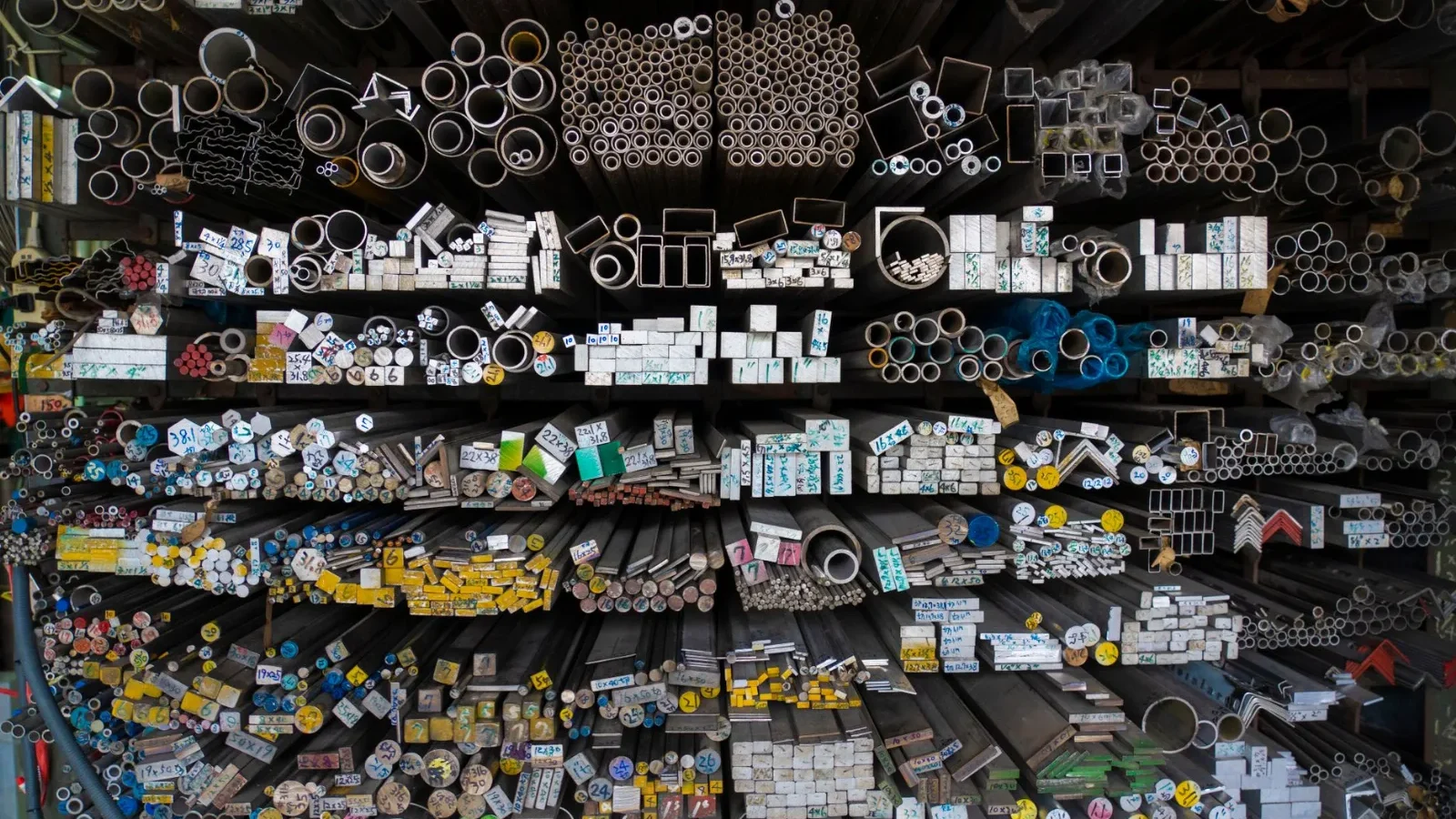
The rod is made of a more reactive metal, usually magnesium or aluminium, wrapped around a steel core wire. Because it is more reactive, the corrosion attacks the rod first and leaves the tank alone. That is why it is called sacrificial: it gives itself up to save the tank.
The catch is simple. Once the rod is fully eaten away, there is nothing left to sacrifice, and the tank becomes the next target. From that day the clock starts ticking on a leak. This slow trade is basic galvanic anode chemistry, and it is the same idea used to protect ship hulls and pipelines.

Why Indian Water Eats Rods Faster
The general advice you read online often assumes the rod lasts four or five years. In much of India, that is optimistic. Hard water and high mineral content speed up the reaction, and the rod goes faster.
I have seen rods in Chennai and parts of Rajasthan reduced to a wire in under three years. Softer municipal supply is kinder, but very few homes escape scale entirely.
| Your water type | Rough rod life | When to first check |
|---|---|---|
| Soft municipal supply | 4-5 years | At 3 years |
| Moderately hard water | 3-4 years | At 2 years |
| Very hard or borewell water | 2-3 years | At 18 months |
| Water softener installed | Can be shorter | At 12-18 months |
That last row surprises people. A softener makes water gentle on your skin and taps, but softened water can actually be more aggressive on a magnesium rod, so it wears quicker. If you have a softener, check sooner.
Tools and a Quick Safety Check First
This is a heavier job than cleaning a filter, mostly because the rod bolt can be very tight. Gather your kit before you start.
- A socket wrench, usually 27mm, to loosen the anode bolt at the top of the tank.
- A cheater bar or long pipe to slip over the wrench for extra turning force.
- A bucket, old towels, and a garden hose if you have one.
- PTFE (Teflon) tape to reseal the rod threads on refit.
- A torch, and a replacement rod on hand if you suspect it is due.
Warning: Switch the geyser off at the MCB and let the water cool fully before you begin. The tank holds scalding water under pressure, and you are working right beside live electrical connections. Never open the top of a hot, pressurised tank. Power off, cool down, pressure released, then start.

How to Check the Anode Rod Step by Step
Work in order and take your time on the bolt. Forcing a hot or pressurised tank is where people get hurt.
- Switch the geyser off at the MCB and let it cool for an hour or two.
- Close the cold inlet isolation valve, then open a hot tap to release pressure in the line.
- Drain a few litres from the tank through the drain valve so the water level drops below the rod port.
- Locate the anode bolt on the top of the tank; on some models it sits under a plastic cap or the hot outlet.
- Fit the socket wrench and loosen the bolt anticlockwise, using the cheater bar for extra reach if it is stuck.
- Lift the rod out slowly and lay it on the towels so you do not drip everywhere.
- Inspect it against the light: a healthy rod is thick and even, a spent one is thin, pitted, or down to bare wire.
- If it is worn out, fit a new rod, wrap the threads with fresh PTFE tape, and torque the bolt back down firmly.
After refitting, open the isolation valve, let the tank fill completely, and check the top joint for any drip under pressure before you restore power. A steady, air-free flow at the tap tells you the tank is full.
How to Read What You Pull Out
The rod tells a story once it is in your hand. Here is how I judge it on a service call.
- Still thick and evenly coated: healthy, refit it and check again in a year or two.
- Thinner than a pencil in places, with the steel core wire peeking through: replace now.
- Fully bare wire with the metal gone: overdue, and the tank has been unprotected for a while.
- Crusted in a thick white or hard coating: passivated by hard water, which can mean it has stopped protecting even with metal left.
If you find a lot of loose scale and sediment coming out with the water while the tank is open, it is the perfect moment to give the tank a clean too. A flush of the water heater clears that loose muck, and a deeper geyser descaling tackles hard crust on the element and walls.
When Your Geyser Has No Easy Anode
Not every geyser gives you a bolt on top to undo. Many compact glass-lined or vitreous-enamel tanks sold in India have the anode built in awkwardly, or combined with the hot outlet, and some very small instant heaters have none at all.
Before you buy a wrench and start hunting, read the manual or look up your exact model. If the rod is not user-serviceable, this becomes a job for a technician during a regular service, not a DIY afternoon.
Tip: Check the anode at the same visit you flush the tank, once a year in hard-water homes. You open the geyser only once, you replace a rod that costs a few hundred rupees, and you can add years to a tank that would cost thousands to replace.
Frequently Asked Questions
What does a geyser anode rod do?
It is a sacrificial rod of a reactive metal like magnesium or aluminium that corrodes instead of the steel tank. Because it reacts first, the anode gives itself up to protect the tank walls from rust. Once it is fully worn away, the tank has nothing shielding it and starts to corrode from the inside.
How often should I check the anode rod?
It depends on your water. Soft supply can go three years, but moderately hard water calls for a check at two years, and very hard or borewell water at around eighteen months. If you run a water softener, check even sooner, at twelve to eighteen months, since softened water can wear the rod faster.
Can I check the anode rod myself?
Yes, on most storage geysers with a top-mounted anode bolt. You need a socket wrench, patience with a tight bolt, and basic safety sense: power off at the MCB, water off, pressure released, tank part-drained. If your model hides the rod or has none, leave it to a technician during a regular service.
What happens if I never replace the anode rod?
Once the rod is gone, corrosion moves to the steel tank. Over months the walls thin, rust flakes appear in the hot water, and eventually the tank springs a leak that no repair can fix. At that point you are buying a whole new geyser instead of a cheap rod, which is why the check pays for itself.
Magnesium or aluminium anode: which is better?
Magnesium protects more strongly and is fine for most homes, but it wears quicker in very hard water and can cause a rotten-egg smell in some supplies. Aluminium lasts longer in hard water and resists that smell. If your water is very hard or already smells, an aluminium rod is often the more practical choice.
A Small Rod That Saves the Whole Tank
The anode is the cheapest insurance your geyser has, yet it works silently and gets ignored until the tank is already lost. Pull it out once, learn to read it, and you shift from replacing geysers to simply replacing a rod every couple of years.
Fold this check into your yearly routine and your tank can outlast its warranty comfortably. For the full service plan, see our water heater maintenance guide, or browse all our maintenance guides to keep your geyser healthy for the long run.