Key Takeaways
- A bathroom is the most dangerous room in the house for electricity because water, bare feet, and metal fittings all lower your body’s resistance to a shock.
- A geyser circuit needs three things working together: solid earthing, a 30mA ELCB or RCCB, and a dedicated cable and MCB of the right rating.
- Switches and sockets belong outside the wet zone or well away from splashes; a geyser is best controlled by a switch just outside the bathroom door.
- Never touch a geyser switch, socket, or the tank with wet hands, and get a licensed electrician for any wiring change, never a handyman.
- A monthly RCCB test and a yearly wiring check are the two habits that keep a bathroom safe for years.
I still remember a flat in Thane where the geyser switch sat right beside the shower, at shoulder height, splashed every single day. It had worked for years, which is exactly why the family thought it was fine. Bathroom electrical safety is the quiet backbone of water heater safety, and most of it comes down to a few decisions made at installation.
Here is how the electricity around your geyser should be set up, where the real dangers hide, and the simple checks that keep a wet room from turning into a hazard.
Why Bathrooms Are So Risky for Electricity
Dry skin resists electricity fairly well. Wet skin, a damp floor, and bare feet standing on tile drop that resistance sharply, so a leak that would be a mild tingle in your living room can be a dangerous jolt in the bathroom.
Add metal taps, a metal geyser body, and running water that carries current, and you have every ingredient for a serious accident. This is why the rules for a bathroom are stricter than for any other room, and why a geyser deserves respect rather than routine.

The Three Layers of Geyser Circuit Safety
A safe geyser circuit is not one gadget; it is three layers working together. If any one is missing, the others cannot fully cover for it.
1. Proper earthing
Earthing gives any leaked current a safe road to the ground instead of through you. The geyser body must connect by a dedicated earth wire to a healthy earth pit, tested rather than assumed. Sound geyser earthing is the foundation everything else stands on.
2. An ELCB or RCCB
This device on your distribution board watches the current going out and coming back. The instant some leaks away, through a fault or a person, it cuts power in a fraction of a second. A 30mA RCCB is fast enough to protect a human being.
3. A dedicated circuit
A geyser draws heavy current, often 2kW to 3kW, so it needs its own cable of the right thickness and its own MCB. Sharing a socket or running it off an extension board overheats wiring and is a classic cause of burnt connections.
| Safety layer | What it does | How to check it |
|---|---|---|
| Earthing | Carries leaked current safely to ground | Electrician tests the earth pit and continuity |
| ELCB / RCCB | Cuts power the instant it senses leakage | Press the test button every month |
| Dedicated circuit | Handles the geyser’s heavy load without overheating | Confirm its own MCB and correctly sized cable |
Where Switches and Sockets Should Go
Placement is where I see the most avoidable mistakes. The goal is simple: keep anything electrical away from the spots where water splashes or steam settles.
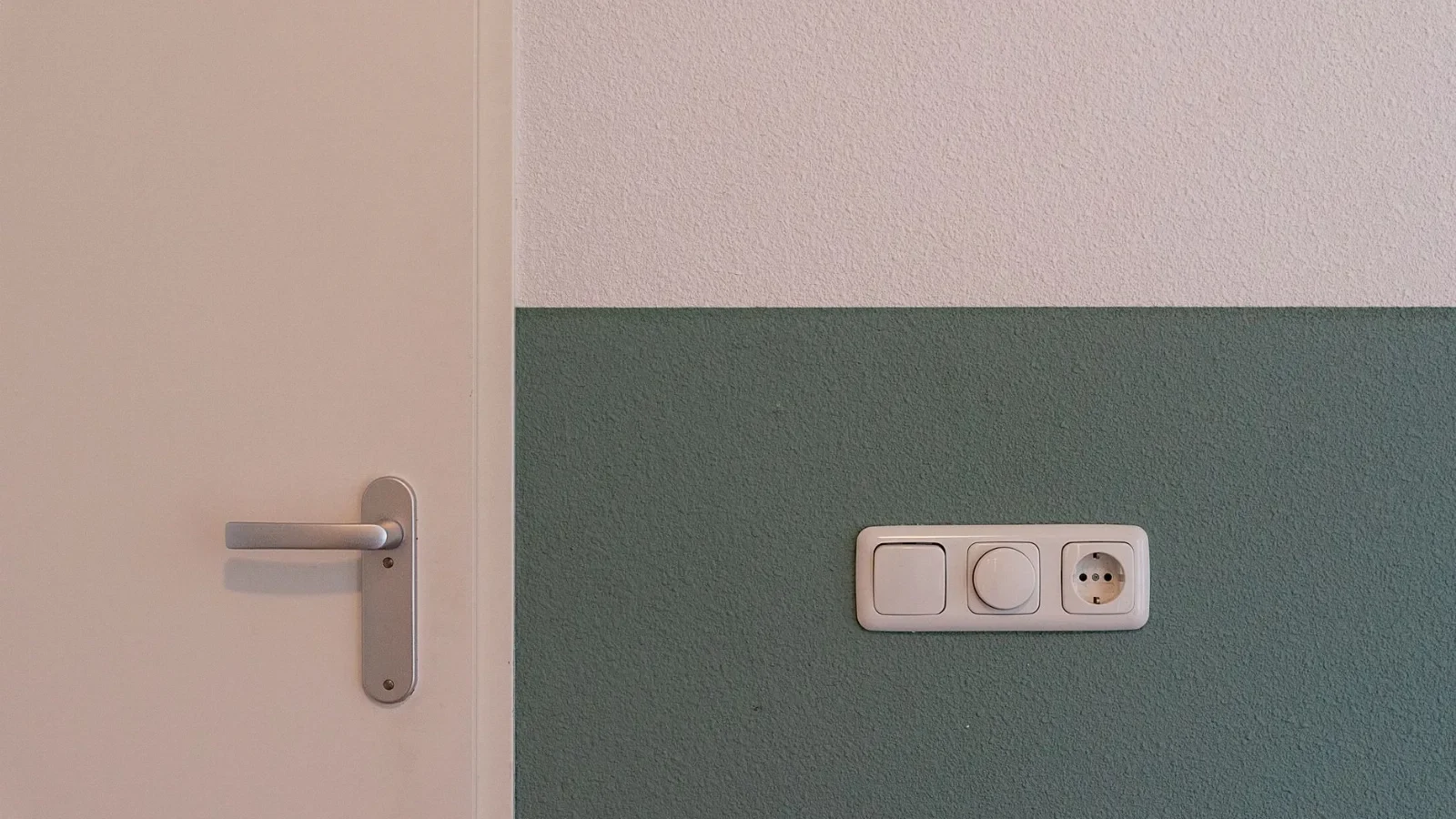
- The geyser control switch is best fitted just outside the bathroom door, so you never operate it with wet hands.
- If a switch must be inside, it should be a sealed, splash-protected type well away from the shower and taps.
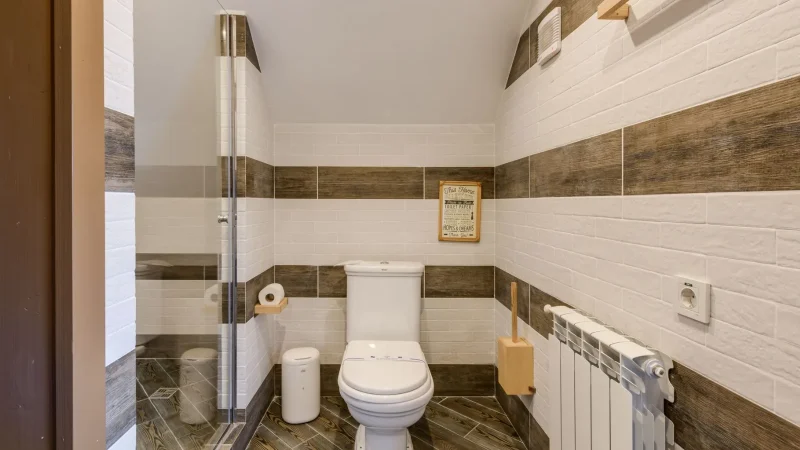
- Avoid ordinary power sockets inside a small wet bathroom; if one is unavoidable, keep it high, dry, and shielded.
- Use a double-pole switch for the geyser so both live and neutral are cut when it is off.
- Keep the connection box sealed against moisture, never left open or taped.
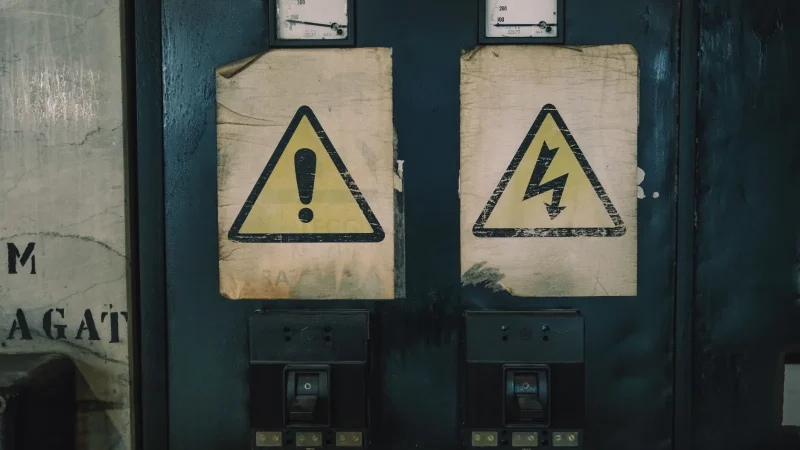
Warning: Never touch the geyser switch, a socket, or the metal tank with wet hands or while standing in water. If you feel even a faint tingle from a tap, the tank, or the switch, switch off at the MCB at once and do not use that bathroom until an electrician has found the fault.
Common Mistakes I See Again and Again
Most bathroom electrical dangers are not exotic. They are the same handful of shortcuts, repeated in home after home.
- A geyser running with no earth wire at all, or an earth tied to a plumbing pipe.
- No RCCB on the circuit, or one that has never been tested and no longer trips.
- The geyser sharing a socket with a washing machine or a motor.
- Switches mounted inside the splash zone at shoulder height near the shower.
- Wiring done by a general handyman rather than a licensed electrician.
- Cheap, undersized cable that runs warm under the geyser’s load.
If you recognise your own bathroom in that list, treat it as a job to fix soon rather than a worry to sit with. None of these are expensive to put right compared with the risk they carry.

Simple Habits That Keep a Bathroom Safe
Once the wiring is done properly, staying safe is mostly about small, regular checks. These take a few minutes and cost nothing.
- On the first of each month, press the test button on the RCCB and confirm it snaps off at once.
- Glance at the geyser switch and cable for any browning, warmth, or a burnt smell.
- Switch the geyser off at the MCB before anyone showers, as a sensible extra habit.
- Keep the area around the switch and connection box dry and free of hanging wet clothes.
- Once a year, have an electrician check the earthing, the RCCB, and the geyser wiring together.
Tip: Fix the monthly RCCB test to a date you already remember, like the day you pay the electricity bill. Tying it to an existing habit is the surest way to make sure it actually gets done, month after month.
The devices that protect you are built to national safety norms set by the Bureau of Indian Standards, so insist on ISI-marked switches, RCCBs, and cable rather than the cheapest option on the shelf.
Frequently Asked Questions
Is it safe to have a plug socket in the bathroom?
In a small Indian wet bathroom it is best avoided. If a socket is truly needed, it should be mounted high, well away from splashes, sealed against moisture, and protected by an RCCB. Ordinary sockets near taps or the shower are a real shock risk, so keep hair dryers and other appliances to a dry room instead.
Where should the geyser switch be placed?
The safest spot is just outside the bathroom door, so you never operate it with wet hands or while standing on a wet floor. If it must be inside, use a sealed, splash-protected switch mounted high and well away from the shower and taps. A double-pole switch is best, as it cuts both live and neutral.
Does a geyser really need its own circuit?
Yes. A geyser draws 2kW to 3kW, which is a heavy load. Running it on its own cable and MCB stops the wiring overheating and keeps it from sharing a socket with other appliances. Sharing a circuit or using an extension board is a common cause of burnt connections and tripped boards.
How often should I test the bathroom RCCB?
Once a month. Press the test button on the distribution board and the switch should snap off instantly. If it does not trip, or the geyser circuit has no RCCB at all, treat it as urgent and get an electrician before anyone uses the geyser again. The test takes only a few seconds.
Can I get a wireman to do bathroom wiring?
Always use a licensed electrician for a bathroom, not a general handyman. Wet-room wiring, earthing, and RCCB fitting need someone who understands the load, cable sizing, and safe placement. Cutting cost on the person doing the work is the false economy that leads to most of the dangerous installations I am called out to correct.
Respect the Wet Room
A bathroom does not forgive electrical shortcuts the way a dry room might. Get the earthing, the RCCB, and a dedicated circuit right, keep switches out of the splash zone, and never touch anything electrical with wet hands.
Those few decisions, plus a monthly test and a yearly check, keep the whole family safe. For the wider picture, read our water heater safety guide, or browse all our safety guides before your next installation or service.