Key Takeaways
- Earthing gives leaking current a safe path to ground instead of through you, it’s the single most important geyser safeguard.
- The geyser’s earth wire (green or green-yellow) must connect from its earth terminal all the way back to your home’s earthing point, with no breaks.
- This is a job best left to a licensed electrician; this guide is to help you understand and verify the work, not to encourage rewiring live circuits yourself.
- Earthing and an ELCB work as a pair, one gives current an escape route, the other cuts the power. You need both.
- Always switch off at the MCB and confirm no power with a tester before touching any wiring.
I once traced a mystery “shocking tap” in an old flat to a geyser whose earth wire had simply been left disconnected, curled up neatly inside the connection box and never attached. The unit had worked fine for two years, right up until the element started leaking current, and then the whole bathroom went live. Earthing is invisible when it’s done right and lethal when it’s missing. By the end of this guide you’ll understand exactly what proper geyser earthing looks like, how to check yours, and the correct step-by-step method an electrician follows, so you can either verify the work or know precisely what to ask for. If you’re new to the topic, the complete guide to water heater safety sets the wider context.
What Earthing Actually Does
Every electric geyser has a metal body and a heating element sitting in water. If the element’s insulation fails, live current can reach the metal parts and the water. Without earthing, that current has nowhere to go, so it waits for the next thing that touches it, usually you, at the tap or shower.
Earthing connects the geyser’s metal body to the ground through a low-resistance wire. If a fault occurs, current rushes down that easy path to earth instead of through your body. That surge also trips the MCB or ELCB, cutting the supply. In short, earthing turns a potentially fatal fault into a tripped breaker.
This is why earthing and an earth-leakage device belong together. Once you understand earthing, it’s worth learning how to test your geyser’s ELCB or RCCB, because the two safeguards only protect you when both are working.
If you want the underlying principle in plain terms, the idea is the same one used for every earthed appliance in your home: give fault current a deliberate, low-resistance path so it never chooses you. The general concept of electrical earthing is well worth a five-minute read if you’re curious about why it works.
Why It Matters Even More in an Indian Bathroom
Earthing matters everywhere, but our bathrooms stack the odds. Wet tiled floors, high humidity, bare feet and often older wiring all lower your body’s resistance and raise the stakes of any leak. A fault that might give a mild shock in a dry room can be far more serious when you’re standing in water.
On top of that, hard water and years of scale can slowly damage a heating element from the inside, and a cracked element is one of the main ways current starts leaking into the tank in the first place. So in many Indian homes, the very conditions that shorten a geyser’s life are also the ones that make good earthing non-negotiable. It’s not a formality, it’s the safeguard doing real work.
A Safety Note Before You Start
Let me be straight with you. Earthing involves your home’s electrical system, and getting it wrong is dangerous. In my view this is a job for a licensed electrician, not a weekend DIY project. I’m walking you through the method so you understand what should happen and can confirm it was done properly, not so you’ll rewire a live circuit yourself.
Warning: Never work on geyser wiring while the power is on. Switch off at the MCB, not just the wall switch, and confirm the circuit is dead with a tester before touching anything. If you are at all unsure, stop and call a licensed electrician. There is no acceptable shortcut here.
What You’ll Need
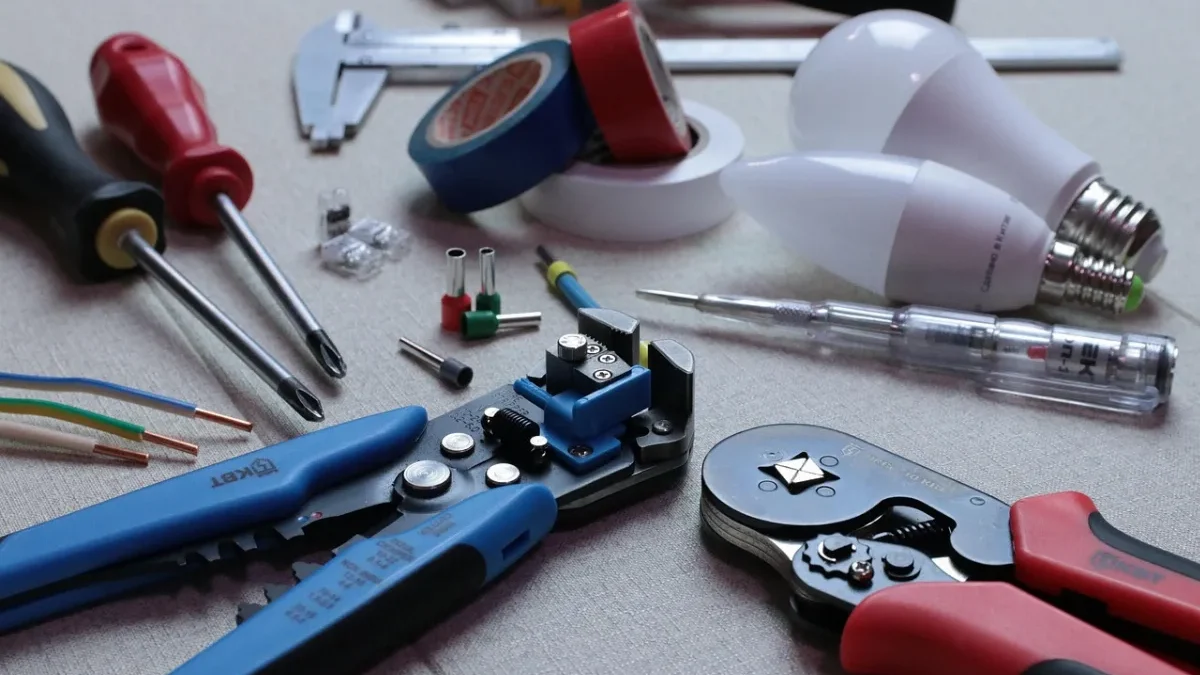
Whether you’re verifying the earth or watching an electrician do the work, these are the items involved.
- A good-quality earth wire, green or green-and-yellow, of the correct gauge for the geyser’s load.
- A line tester and, ideally, a multimeter to confirm continuity to earth.
- Insulated screwdrivers and a spanner for the geyser’s earth terminal.
- A proper earth point, either your home’s main earth bus or a dedicated earth electrode, in good condition.
- The geyser’s manual, which shows the earth terminal location.
How to Earth a Geyser: Step by Step
Here is the sequence a competent electrician follows. Read it as a map of what “properly earthed” means.
- Switch off the geyser at the MCB and confirm the circuit is dead with a tester before opening anything.
- Locate the geyser’s earth terminal, usually a screw marked with the earth symbol on the body or inside the connection cover.
- Identify the earth conductor in the supply cable, the green or green-yellow wire. It must run in the same cable as the live and neutral.
- Connect the earth wire firmly to the geyser’s earth terminal, tightening the screw so there’s no loose or partial contact.
- Trace that earth conductor back through the point and wiring to your home’s main earthing terminal or a dedicated earth electrode.
- Confirm the connection is continuous, no breaks, no joints wrapped in tape, no wire simply tucked away unconnected.
- Where an earth electrode is used, check it’s a proper rod driven into moist ground, not a token wire pushed into dry soil.
- Restore power at the MCB and test: the geyser body should read zero volts to earth, and the ELCB should trip on its test button.
The step people skip is number five, tracing the earth all the way back. A wire clamped to the geyser means nothing if the other end isn’t connected to a real earth. I’ve seen “earthed” geysers whose earth wire ended in the wall, cut, taped and abandoned, giving the family a false sense of protection for years. A connection you can’t trace end to end is not a connection you can trust.

How to Check If Your Geyser Is Already Earthed
You don’t need to rewire anything to check the earth. Here are two safe ways to gain confidence, and one that needs an electrician.
The visual check
With the power off at the MCB, open the connection cover and look for a green or green-yellow wire connected to the earth terminal. If there’s no earth wire at all, or it’s disconnected, that’s an immediate red flag, don’t use the geyser until it’s fixed.
The tester check
With power on, a line tester touched to the geyser’s metal body should not glow. If it lights up, the body is live and the earthing has failed, switch off at the MCB immediately and call an electrician.
The proper test
A real confirmation needs an electrician to measure earth resistance and continuity with the right instruments. A low, stable reading means a healthy earth. This is worth doing once when the geyser is installed and again if you ever feel a tingle.
Common Earthing Mistakes I See
After years of opening up geyser connection boxes, the same errors keep appearing. Knowing them helps you spot a bad job.
| Mistake | Why it’s dangerous |
|---|---|
| Earth wire left disconnected | No safe path for fault current; the body can go live |
| Using neutral as earth | Neutral carries current; it’s not a safe ground and can energise the body |
| Undersized or corroded earth wire | High resistance means the fault current may not trip the breaker fast enough |
| Earth electrode in dry soil | Poor conductivity; the earth barely works when you need it most |
| Taped, loose joints in the earth run | The connection can fail silently, leaving you unprotected |
The neutral-as-earth trick is the most dangerous of the lot, and sadly not rare. It might make a tester behave, but under a real fault it can put full voltage on the geyser body. Never accept it.
Tip: When you get a new geyser installed, ask the electrician to show you the earth wire physically connected at both ends, at the geyser and at the earth point. A good professional will do this happily. It takes two minutes and settles the question for good.
Earthing Is Only Half the Job
Even perfect earthing needs a partner. Earthing gives fault current a route to ground; the ELCB senses that leak and cuts the power. And beyond both, avoid the everyday errors that undo good wiring, our guide to dangerous geyser safety mistakes to avoid covers the habits that catch people out.
Treat earthing, the ELCB and safe usage as one system. Any single one alone leaves a gap; together they make a geyser genuinely safe.

Frequently Asked Questions
How do I know if my geyser is properly earthed?
With the power off, check for a green or green-yellow earth wire connected to the geyser’s earth terminal. With power on, a line tester on the metal body should not glow. For real certainty, have an electrician measure the earth continuity and resistance with proper instruments.
Can I earth a geyser myself?
You can safely check and verify the earthing yourself, but actually creating or repairing the earth connection is best left to a licensed electrician. It involves your home’s earthing system, and a mistake, like using neutral as earth, can be fatal. Understand the work; leave the wiring to a professional.
What happens if a geyser is not earthed?
If the element ever leaks current and there’s no earth, the geyser’s body and the water can become live. You’d then get a shock, potentially fatal, from the tap or shower. Earthing prevents this by giving the current a safe path to ground and tripping the breaker.
Is earthing enough, or do I need an ELCB too?
You need both. Earthing gives fault current a safe route to ground, and the ELCB detects the leak and cuts the power within milliseconds. Earthing alone may not trip the supply fast enough on every fault, so the two together give proper protection against shock.
Can the neutral wire be used for earthing?
No, never. The neutral carries current in normal operation and is not a safe ground. Using it as an earth can put full voltage on the geyser body during a fault. Always insist on a proper, separate earth conductor connected to a genuine earth point.
Final Word on Getting It Right
Proper earthing is the quiet foundation of geyser safety, invisible when it works, deadly when it’s missing. You now know what a good earth looks like, how to check yours, and the mistakes that undermine it. If your geyser’s earthing is doubtful, don’t gamble: switch off at the MCB and get a licensed electrician to sort it before you use the unit again. For the wider safety picture, browse the rest of our geyser safety guides.