Key Takeaways
- A pressure relief valve (PRV) is the small brass fitting that stops your geyser tank from turning into a pressure bomb when things go wrong.
- Heated water expands, and if a stuck thermostat keeps heating a sealed tank, pressure climbs fast. The PRV releases that pressure before the tank fails.
- Many valves also handle temperature, releasing if the water gets dangerously hot, which is why you’ll often hear it called a temperature-and-pressure (T&P) valve.
- A dripping PRV is usually doing its job or signalling high pressure, not a fault to be plugged. Never cap or block it.
- Test it gently once or twice a year, and replace a valve that won’t reseat, stays silent, or is heavily scaled.
Of all the parts on a geyser, the pressure relief valve is the one homeowners understand least and, quietly, need most. I’ve opened up tanks where a jammed thermostat had been heating sealed water for hours, and the only thing standing between that family and a burst tank was a two-inch brass valve doing its unglamorous job. This deep dive explains what a pressure relief valve actually does, how it protects you, and how to tell whether yours is working or quietly failing. By the end you’ll know why a dripping valve is often good news, and why capping one is one of the most dangerous shortcuts you can take. It’s a core part of our complete water heater safety guide, and arguably the least appreciated one.
What a Pressure Relief Valve Actually Does
The physics here is simple and unforgiving. Water expands when you heat it. In a storage geyser, that water is sealed inside a strong metal tank. As the temperature rises, the water tries to take up more space, and because the tank won’t stretch, the pressure inside climbs.
In normal use this is fine; the pressure stays well within what the tank is built to hold. The danger appears when something fails, most often a thermostat that sticks “on” and keeps heating water that’s already hot. Now the pressure keeps rising with nothing to stop it.
The pressure relief valve is the safety escape. It’s set to open at a specific pressure. The moment the tank pressure reaches that threshold, the valve lifts and lets a little water and pressure escape, dropping the internal pressure back to a safe level. Then it reseats and waits. That’s it, a spring, a seat, and physics.
Pressure and temperature together
Many geyser valves guard against two things at once, which is why you’ll hear them called temperature-and-pressure, or T&P, valves. Alongside the pressure spring, a temperature element releases if the water gets dangerously hot, even before pressure alone would trigger it.
This matters because superheated water is its own hazard. Both mechanisms exist so that a single stuck thermostat can’t push your tank into failure by either route.
Warning: Never plug, cap, tighten shut, or “fix” a leaking pressure relief valve to stop it dripping. That drip may be the valve safely bleeding off excess pressure. Block it, and you remove the tank’s last line of defence. A sealed, over-pressured tank is a genuine explosion risk, this is not an exaggeration.
Why This Valve Is Non-Negotiable
To see why this small part matters so much, picture the chain of failure without it. A thermostat sticks on. The element keeps heating. Pressure and temperature climb past every safe limit. With nowhere to vent, the weakest point of the tank eventually gives way, violently.
A failing hot-water tank doesn’t just leak. The superheated water flashes to steam as pressure releases, and the energy involved is considerable. This is exactly the scenario the valve is designed to make impossible.
I think of geyser safety as a chain of layers, and I saw how badly things go when a layer is missing in a faulty geyser near-miss I attended. The pressure relief valve is the layer that specifically catches thermostat and over-heating failures, and it’s the one people forget exists until it’s dripping.
Where to Find It and How It’s Fitted
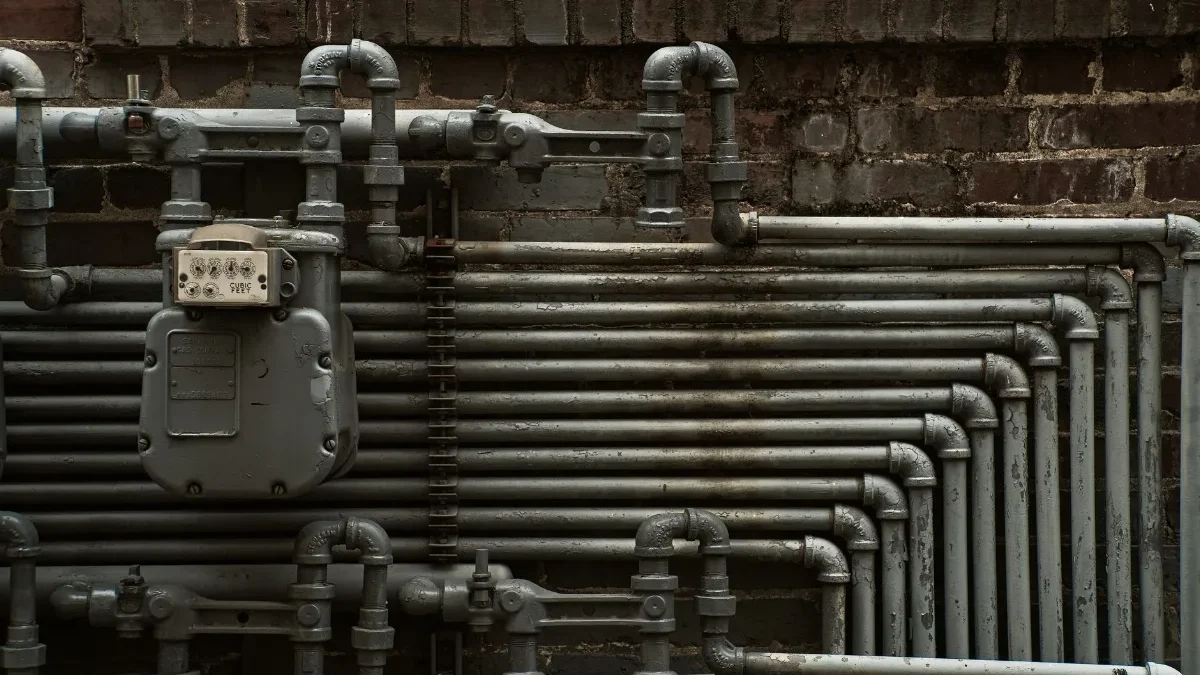
On most Indian storage geysers, the pressure relief valve is a small brass fitting on the cold-water inlet side, often combined with a non-return function. On some units it sits on or near the tank body. It typically has a little lever or cap on top and a spout where water can escape.
The single most important fitting detail is the drain line. Because the valve is meant to release water, a proper installation runs a short pipe from the valve outlet down to a floor drain or a safe, visible point. This way, when the valve does its job, the water goes somewhere harmless, and you can actually see that it released.
I’ve seen installs where the valve was fitted but its outlet pointed straight at the wall or a cabinet. That’s careless: not only can it cause water damage, but nobody ever notices the valve is releasing, so a real pressure problem goes unseen for months.
Tip: When your geyser is installed, ask the fitter to run a visible drain pipe from the pressure relief valve to a spot you can see, like above the floor drain. That way an occasional drip becomes useful information: it tells you the valve is alive and doing its job, rather than water quietly weeping behind a cabinet.
Is a Dripping Valve a Problem?
This is the question I’m asked most, and the answer surprises people: a little dripping is often completely normal and even reassuring. Here’s how to read it.
| What you see | Likely meaning | What to do |
|---|---|---|
| A little drip while heating, stops after | Normal thermal expansion being released | Nothing, this is the valve working |
| Frequent or heavy dripping | High mains pressure or a tired valve | Check pressure; consider a pressure-reducing valve |
| Constant streaming, won’t reseat | Valve stuck open or scaled | Replace the valve |
| Never drips, even when overheating | Valve may be seized shut, dangerous | Test it; replace if it won’t open |
The genuinely worrying case is the last one: a valve that never releases. A stuck-shut valve gives you a false sense of safety while offering no protection at all. That’s why testing matters, silence isn’t proof it works.
How to Test Your Pressure Relief Valve
A gentle test once or twice a year confirms the valve isn’t seized. It’s simple, but do it carefully, the water inside is hot.
- Know where the water goes. Confirm the valve’s outlet feeds a drain pipe to a safe point, not onto your feet or a socket.
- Be ready for hot water. The discharge will be hot. Keep hands, face and children well clear of the outlet.
- Lift the lever briefly. Gently raise the test lever or cap for a second or two. You should hear and see water and pressure discharge through the outlet.
- Release and watch it reseat. Let the lever snap back. The flow should stop cleanly and the valve should stop dripping within a short while.
- Judge the result. Discharged then resealed cleanly means it’s healthy. No discharge at all, or a valve that keeps running afterwards, means it needs replacing.
If lifting the lever produces nothing, don’t force it. A seized valve should simply be replaced. And if you’re at all unsure, this is a fair thing to hand to a professional during your annual service.
Hard Water and the Slow Death of a Valve
In much of India, hard water is the quiet enemy of every geyser part, and the pressure relief valve is no exception. Over time, scale builds up on the valve’s seat and spring. That scale can do one of two bad things.
- Cement it shut: so it can’t open when pressure rises, the most dangerous outcome.
- Hold it partly open: so it drips constantly and won’t reseat properly, wasting hot water.
This is exactly why the valve isn’t a fit-and-forget part. In hard-water areas I’d test it more often and expect to replace it periodically, it’s a cheap component protecting an expensive tank and, more importantly, your family. Keeping the whole system descaled helps, and it’s one reason regular servicing pays off across every safety layer.
The Valve in the Wider Safety System
It’s worth being clear about what this valve does and doesn’t cover, because no single device protects you from everything. The pressure relief valve guards against over-pressure and over-temperature. It does nothing for electrical faults, that’s the job of proper earthing and an ELCB.
And if you use a gas geyser, remember it carries an entirely different hazard: the carbon monoxide risk covered in our guide to winter gas geyser safety. Each device answers one specific danger, which is why a complete home relies on several working together.
To see how the PRV fits alongside ELCBs, thermostats and cut-outs as a full protective set, our overview of essential geyser safety devices maps out the whole picture. The pressure relief valve is one layer, but on a storage geyser, it’s the layer that catches the failure most likely to turn catastrophic.
Warning: If your geyser’s pressure relief valve is discharging large amounts of water frequently or continuously, don’t ignore it as a nuisance. It usually means the pressure or temperature inside the tank is genuinely too high, often a thermostat fault. Switch off at the MCB and get the tank checked before using it again.

Frequently Asked Questions
What is a pressure relief valve on a geyser?
It’s a small brass safety valve that releases water and pressure if the tank pressure, or often temperature, climbs too high. Heated water expands, and if a thermostat sticks on, pressure keeps rising. The valve opens at a set point to release it, protecting the tank from bursting. Many also guard against overheating.
Why is my geyser pressure relief valve leaking water?
A small drip during heating is usually normal, the valve releasing thermal expansion. Frequent or heavy dripping often points to high mains pressure or a scaled, tired valve. Never cap or plug it to stop the drip; instead have the pressure checked or the valve replaced. Constant streaming means it needs replacing.
Can I block or remove a leaking pressure relief valve?
No, never. Blocking, capping or removing it takes away the tank’s protection against dangerous pressure and heat. A sealed, over-pressured geyser can burst violently. If the valve leaks, diagnose why, high pressure or a worn valve, and fix that. Replace a faulty valve; don’t defeat a working one.
How often should I test the geyser pressure relief valve?
Once or twice a year, and more often in hard-water areas where scale can seize it. Gently lift the test lever, confirm water discharges through the drain outlet, then let it reseat. If nothing discharges or it won’t stop afterwards, replace it. Fold this check into your annual geyser service.
What happens if a geyser has no pressure relief valve?
The tank loses its protection against over-pressure. If a thermostat sticks on and keeps heating sealed water, pressure and temperature rise with nothing to release them, and the tank can eventually rupture. Every storage geyser should have a working pressure relief valve; never run one without it or with a seized one.
Respect the Small Brass Valve
The pressure relief valve costs a fraction of your geyser, gets no attention, and asks for almost nothing, just a gentle test now and then and the freedom to drip when it needs to. In return, it’s the part standing between a stuck thermostat and a burst tank. That’s a remarkable deal, and all it asks is that you never silence it.
This week, take a minute to find your geyser’s valve, check it has a drain line you can see, and note whether it’s ever dripping. To build out the rest of your home’s protection, explore our full set of water heater safety guides, and for the fundamentals of how storage water heating works, the Wikipedia overview of water heating is a solid, neutral primer.