Key Takeaways
- There’s no single “best” descaler, the right pick depends on how thick your scale is, whether you’re cleaning an element or a whole tank, and how cautious you want to be.
- The seven options here run from gentle kitchen acids (vinegar, citric acid) to purpose-made descaling powders and professional inhibited acids.
- Inhibited descalers cost a little more but protect the metal while they dissolve scale, which matters on older tanks.
- Whatever you choose, wear gloves and eye protection, ventilate the room, and never mix two products.
- The product only does half the work, the technique of soaking and rinsing the element properly does the rest.
Walk into any hardware shop in a hard-water city and you’ll be handed three different bottles, each promising to “dissolve scale instantly”. Some of it works, some of it is watered-down acid in a fancy label, and some of it is genuinely too harsh for a home geyser. After years of trying most of what’s on the market, I’ve settled on a shortlist I actually trust. In this roundup I’ll walk you through seven descaling options for hard-water geysers, from the ₹40 bag of citric acid to proper inhibited descalers, and tell you honestly where each one shines and where it lets you down. If you’re new to all this, our complete water heater maintenance guide explains why scale matters in the first place.
How I Judged These Descalers
Before the list, it’s worth knowing what actually separates a good descaler from a poor one. I look at four things.
- Strength on hard scale. Can it dissolve a thick, stony crust, or only a light film?
- Kindness to metal. Does it attack the element sheath and tank while it works, or is it inhibited to protect them?
- Safety at home. How hazardous is it to handle in a small, closed bathroom?
- Value. Cost per clean, not just the sticker price.
No single product wins on all four, which is exactly why the shop hands you three bottles. Match the product to your scale and your comfort level.

The 7 Best Descaling Options for Hard-Water Geysers
1. Food-grade citric acid
This is my everyday recommendation for cautious DIYers. Dissolved in warm water, citric acid is a mild but effective descaler that’s safe to handle, cheap, and easy to buy. It won’t rip through a stony crust in ten minutes, but give a scaled element a good 45-minute soak and it lifts most household scale cleanly. Because it’s food grade, it’s also the least worrying option to have around a family home.
2. White vinegar
The gentlest option on the shelf, and the one already in your kitchen. Vinegar is weak acetic acid, so it’s ideal for a light film of scale or a regular top-up clean between deeper services. On a thick, hardened crust it simply doesn’t have the strength, you’ll be soaking for hours and still scrubbing. Good for maintenance, not for rescue jobs.
3. Branded geyser descaling powder
These are the sachets and tubs sold specifically for water heaters and kettles. They’re a formulated acid blend with a predictable strength, so you get consistent results without guessing dilutions. For a moderately scaled element they’re a reliable middle ground, stronger than citric acid, safer than raw industrial acid. Follow the dosing on the pack; more is not better.
4. Inhibited descaling liquid
My pick for older tanks. “Inhibited” means the acid has additives that slow its attack on bare metal while it still dissolves scale. That protection matters when the tank lining is aged or the element is already a few years old. It costs more than a plain powder, but on an ageing geyser that extra rupee or two buys real peace of mind.
5. Sulphamic acid descaler
Sulphamic acid is a common ingredient in stronger commercial descalers. It’s more aggressive than citric acid and cuts through heavy scale faster, which makes it useful for a badly neglected geyser. The trade-off is that it demands more respect, proper gloves, eye protection and ventilation are essential, and you should rinse thoroughly afterwards.
6. Whole-tank descaling solution
Most products are designed to soak a removed element. A few are meant to be circulated through the whole tank instead, useful if the tank walls are as scaled as the element. These are handy but fiddly for a home user, and I’d only reach for one when a straightforward element soak clearly isn’t enough.
7. Professional descaling kit
These bundle a stronger inhibited acid with a small pump or circulation setup. They’re what a service technician might use on a heavily furred commercial or apartment system. For a single home geyser they’re usually overkill, but if you’re maintaining several units, a kit earns its keep.
Tip: Buy the smallest quantity that will do one clean before you commit to a big tub. Scale thickness varies hugely between homes, and you want to see how a product handles your water before you stockpile it.

Quick Comparison
Here’s the shortlist side by side, so you can match a product to your situation at a glance.
| Descaler | Strength | Best for | Handling care |
|---|---|---|---|
| Citric acid | Mild | Everyday element cleans | Low |
| White vinegar | Very mild | Light film, top-ups | Very low |
| Branded descaling powder | Medium | Moderate scale | Low–medium |
| Inhibited liquid | Medium | Older tanks/elements | Medium |
| Sulphamic acid | Strong | Heavy, neglected scale | High |
| Whole-tank solution | Medium–strong | Scaled tank walls | Medium |
| Professional kit | Strong | Multiple/large units | High |
Which One Should You Actually Buy?
Cut through the choice like this. If your geyser is only mildly furred and you clean it regularly, citric acid or vinegar is all you need. If it’s moderately scaled and you want a reliable, no-guesswork clean, a branded descaling powder is the sensible middle. If the tank is old, spend the extra on an inhibited product to protect the metal. And if it’s been neglected for years and the crust is stony, a sulphamic-acid descaler will cut through it, just handle it with real care.
A quick word on quantity too. Most element cleans only need enough solution to submerge the crusted portion in a small tub, so a modest pack goes a long way. Reserve the bigger tubs and whole-tank solutions for when you’re maintaining several geysers or tackling a tank that’s scaled inside and out. Buying the strongest, largest option “to be safe” usually just leaves an expensive half-used tub of acid sitting in your utility cupboard.
One honest caveat: the best descaler still can’t fix a geyser that keeps scaling every few months. If you’re buying descaler three times a year, the real answer is upstream, treating your hard water or watching the temperature you run at. Catching problems early also helps, so it’s worth knowing the signs your water heater needs servicing before scale turns into a burnt element.
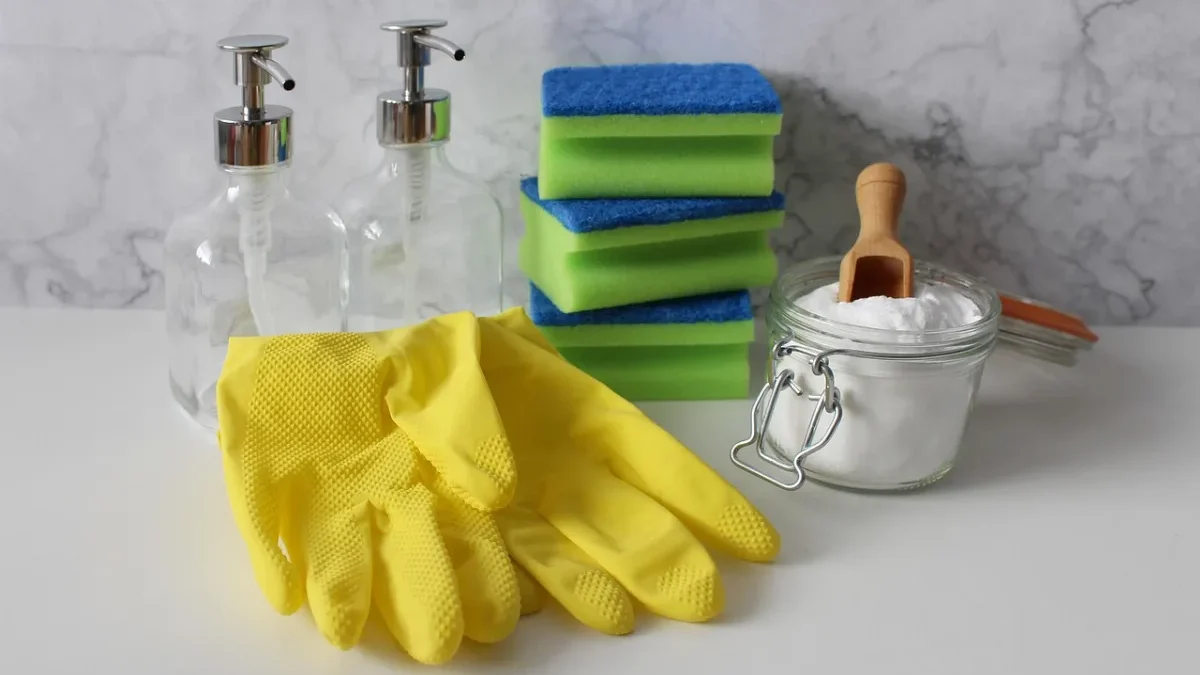
Warning: Never mix two descaling products, and never combine any acid with bleach or other cleaners, some combinations release dangerous fumes. Work in a ventilated space, keep the products away from children, and rinse the element thoroughly before refitting so no residue is left inside your tank.
Descaler Isn’t the Only Defence
A good descaler clears existing scale, but it does nothing to slow the corrosion that hard water also drives inside your tank. That’s the job of the sacrificial anode rod, a part most people never think about until the tank starts leaking. If you’re already inside the geyser for a descale, it’s the perfect time to check it. Our comparison of a magnesium vs aluminium anode rod explains which suits hard water better and when to swap it.
Think of it as a pair: descaler protects the element’s performance, the anode rod protects the tank’s lifespan. Ignore either and you’ll be shopping for parts sooner than you’d like.
Frequently Asked Questions
What is the best descaling product for a hard-water geyser?
There’s no single best, it depends on your scale. Food-grade citric acid suits everyday cleans and cautious users; a branded descaling powder handles moderate scale reliably; and a strong sulphamic-acid descaler cuts through heavy, neglected crust. For older tanks, choose an inhibited product that protects the metal while it works.
Is citric acid or vinegar better for descaling a geyser?
Citric acid is the stronger of the two and clears moderate scale in about 45 minutes, so it’s the better all-rounder. Vinegar is milder and best kept for light films or regular top-up cleans. On a thick, hardened crust, both are slower than a branded descaler, but citric acid still edges ahead.
Can I use a descaling product without removing the element?
Some whole-tank solutions are designed to be circulated through the geyser without pulling the element, but they’re fiddlier for home users. For a proper clean of a scaled element, you’ll get far better results soaking the removed element directly. Most household descalers assume you’ve taken the element out.
Are geyser descaling acids safe to use at home?
Yes, if you handle them sensibly. Wear rubber gloves and eye protection, work in a ventilated space, follow the dilution on the pack, and never mix products or combine acid with bleach. Milder options like citric acid are the safest for a family home; strong sulphamic acid demands more care.
How often will I need to buy descaler?
On hard water, roughly every six to eight months if you descale on schedule; on soft water, far less often. If you find yourself buying descaler more than twice a year, the underlying issue is your water hardness or running temperature, and treating that upstream is cheaper than repeated cleans.
Buy for Your Scale, Not the Label
The flashiest bottle isn’t automatically the best descaler for your geyser. Match the product to how thick your scale is and how old your tank is, handle it safely, and pair it with a proper soak and rinse. Do that and even the cheapest citric acid outperforms a misused premium descaler. When you’re ready to put it to work, our guide on how to descale a geyser heating element walks through the method step by step, and you’ll find the rest of our geyser maintenance guides in the category archive. For a bit of background on the chemistry, the Wikipedia entry on descaling agents is a solid primer.