Key Takeaways
- Heating one full 15-litre storage geyser from cold uses roughly 0.6 to 0.8 units of electricity.
- A normal bucket bath works out to around 0.4 to 0.6 units, so about ₹3 to ₹5 at typical tariffs.
- A running shower usually costs more than a bucket bath because it keeps pulling fresh hot water.
- Winter almost doubles the number, since the incoming water is far colder.
- Lower thermostat settings and a well-insulated tank shave real money off every single bath.
People ask me this all the time while I am still packing up my tools: “Bhai, what is this geyser costing me every morning?” It is a fair question, and the honest answer is that it is smaller than most families fear, but bigger than it needs to be. Once you see how the number is built, you can trim it without ever taking a cold bath. If you want the wider picture first, our guide to running a water heater efficiently sets the scene.
The simple sum behind every bath
Electricity for hot water follows one plain rule. To raise one litre of water by one degree Celsius, a geyser needs about 0.0012 units. That is it. Everything else is just multiplying.
So take a 15-litre tank in a Bengaluru winter. The inlet water might be near 20°C, and you want it at about 55°C. That is a 35-degree lift across 15 litres, which comes to roughly 0.63 units for a full tank. In peak summer, when the tap water is already 28°C, the same tank needs far less.
Tip: You rarely empty the whole tank in one bath. Most people mix hot water with cold at the bucket, so the real cost per bath is often half of a full-tank heat, not the whole thing.
What one bath actually costs
Let me put real family figures on it. A single adult taking a bucket bath uses somewhere between 15 and 25 litres of water total, of which maybe 10 to 15 litres is hot. Heat that quantity through the winter gap and you land around 0.4 to 0.6 units per bath.
At a domestic tariff of ₹7 per unit, that is roughly ₹3 to ₹4 per person, per bath. For a family of four bathing every morning, you are looking at ₹12 to ₹18 a day, or somewhere near ₹400 to ₹550 a month just for bathing water. That squares with what most households actually see on the meter once you separate it out.
Bucket bath versus shower
This is where habits matter more than the appliance. A bucket forces you to stop at a fixed amount. A shower keeps flowing, so it keeps draining hot water and the geyser keeps topping up.
| Bathing method | Hot water used | Units per bath | Rough cost at ₹7/unit |
|---|---|---|---|
| Bucket bath (moderate) | 10-15 litres | 0.4-0.6 | ₹3-4 |
| Short shower (5 min) | 25-35 litres | 0.8-1.1 | ₹6-8 |
| Long shower (10 min) | 45-60 litres | 1.4-1.9 | ₹10-13 |
| Instant geyser, quick wash | 8-12 litres | 0.4-0.6 | ₹3-4 |
The pattern is clear. If you love your shower, a bucket for the family and a shower for yourself on cold days is a sensible middle path. Nobody needs to feel guilty, but it helps to know the trade.
Storage tank versus instant geyser
An instant, or tankless, geyser only heats water while it flows, so there is no tank sitting warm all day. Per bath, a quick bucket fill from a 3 kW instant unit and a bucket bath from a storage tank cost about the same, because you are heating a similar amount of water either way.
The difference shows up over the day. A storage geyser also spends a little energy keeping the tank warm between baths, which we cover in the guide to cutting standby heat loss. An instant unit skips that, but it draws a heavier load while running, so your wiring and MCB must be rated for it.
Winter changes the maths
The single biggest swing in your per-bath cost is the season. In Delhi or Punjab, January inlet water can drop below 12°C. Heating that to a comfortable 50°C is a 38-degree climb, against maybe 20 degrees in summer.
That alone can push a winter bath to nearly double its summer cost. It is not the geyser misbehaving. It is simple physics, and the fix is to set a sensible temperature rather than cranking the dial to maximum. Our note on choosing the right geyser temperature walks through the safe, economical range.
Warning: Running a geyser at 70°C to 75°C to “save time” does not save money. It loses more heat while idle and raises scald risk for children and elders. A setting of 50°C to 55°C is warm enough for any bath.
Small habits that quietly add units
A mistake I see constantly is a geyser left on for hours when it only needs twenty minutes. The element cuts in and out to hold the tank hot, burning units for water nobody is using yet.
- Switch on 20 to 30 minutes before the first bath, not the night before.
- Turn it off once the last person has bathed, unless you have a timer doing it for you.
- Fix dripping hot taps quickly, because a slow drip empties warm water you have already paid to heat.
- Descale a hard-water tank yearly, since a scaled element takes longer and eats more units to reach the same heat.
None of these need a technician. They are the cheapest savings you will ever make. For a fuller list of trims, our roundup on ways to reduce your geyser electricity bill is worth a read, and you can browse the whole efficiency section for more.
Reading it off your own meter
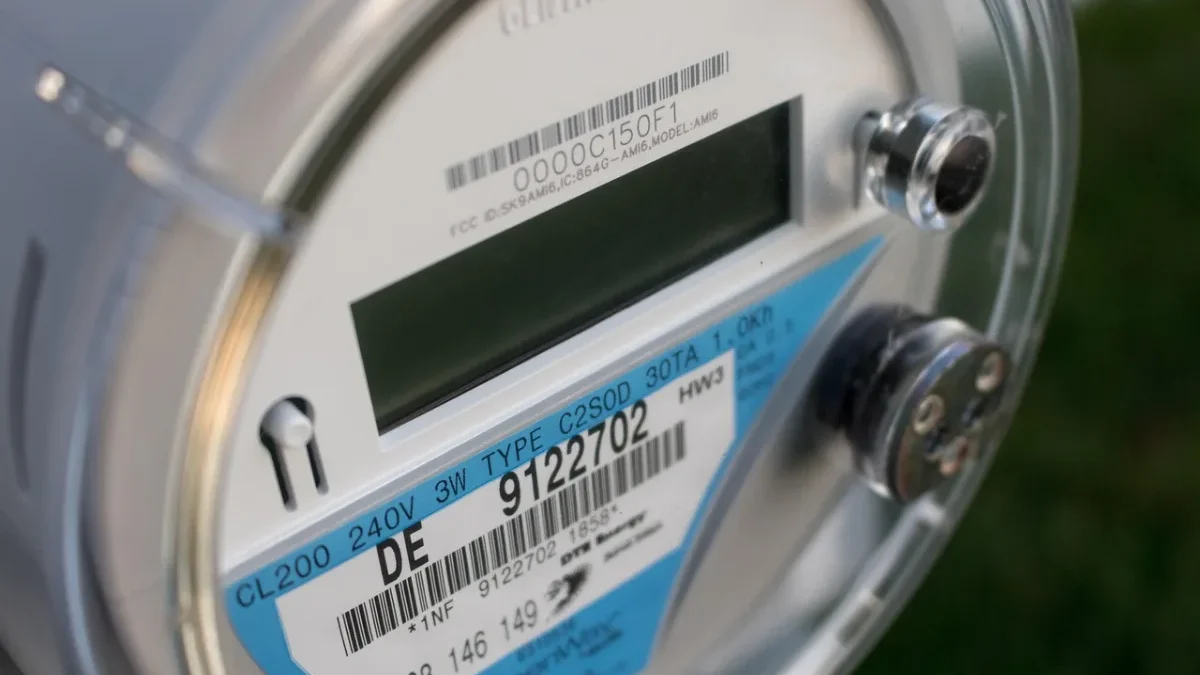
If you want your exact number rather than my estimate, do a small test. Switch off every other big appliance, note the meter reading, run only the geyser through one normal bath cycle, and note it again.
The difference is your true units per bath, multiplied by your tariff for the rupee cost. For background on how energy ratings on appliances are decided, the Bureau of Energy Efficiency is the official Indian reference.
Frequently Asked Questions
How many units does a geyser use per bath?
A typical bucket bath uses around 0.4 to 0.6 units, and a five-minute shower around 0.8 to 1.1 units. Winter pushes these higher because the incoming water is colder. At ₹7 per unit, a bucket bath costs roughly ₹3 to ₹4 per person.
Does a higher wattage geyser cost more per bath?
Not really. A 3 kW element heats the same water faster than a 2 kW one, but the total energy to reach a given temperature is nearly identical. Wattage changes how quickly you get hot water, not the units needed for one bath.
Is an instant geyser cheaper per bath than a storage one?
Per bath they are close, since both heat a similar amount of water. An instant unit avoids standby heat loss between baths, so over a full day of light use it can edge ahead. For heavy family use, a storage tank is usually the steadier choice.
Why does my winter bill jump even with the same bath?
Because cold-season tap water can be 12°C to 15°C instead of the summer 26°C to 28°C. The geyser must lift the temperature much further, so it burns more units for the exact same bath. This is normal and affects every water heater.
Will lowering the thermostat really save money?
Yes, in two ways. You spend fewer units reaching a lower target, and the tank loses less heat while idle. Dropping from 70°C to 55°C is comfortable for bathing and can trim a noticeable slice off your monthly hot-water cost.
Putting the number to work
Once you know a bath costs a few rupees, the fear goes away and the sensible choices become easy. Set a moderate temperature, switch off after use, and keep the tank clean. Those three habits matter more than the brand on the wall. For the full set of savings, start with our water heater efficiency guide and pick the tips that fit your home.