Key Takeaways
- A geyser doesn’t “use more power” because it’s old or cheap; it wastes power through heat loss, over-heating and scale. Fix those three and the bill drops.
- The single biggest saving for most homes is leaving the geyser off and only switching it on 15-20 minutes before a bath, not the star rating.
- Setting the thermostat to a sensible warm level (around 55-60 °C) instead of maximum cuts both standing loss and scale build-up.
- A BEE star rating measures standing heat loss, so it matters far more for a geyser left on all day than one used in short bursts.
- Descaling, insulation and a timer are cheap, one-time fixes that keep paying you back every month.
Every winter I get the same worried call: “My geyser bill has doubled, is the unit faulty?” Nine times out of ten the geyser is fine. It’s simply being left on all day, set to maximum, sitting on a scaled-up element in a hard-water home. After more than a decade of servicing storage and instant geysers across Indian flats and houses, I’ve learned that efficiency is rarely about buying a fancier machine; it’s about how you run the one you have. By the end of this guide you’ll understand exactly where your water heating energy goes, and the practical, no-cost and low-cost fixes that genuinely lower the bill.
This is the pillar page for our whole efficiency section, so treat it as the map. Each idea below links to a deeper guide if you want the fine detail. Read it once, top to bottom, and you’ll spot two or three easy wins in your own home before you finish your chai.
Where Your Water Heating Energy Actually Goes
To save energy you first have to know where it leaks. A storage geyser loses energy in three main ways, and understanding them tells you exactly which fix to reach for.
- Useful heating: the energy that actually ends up in the hot water you use for your bath. This is the only part you truly want.
- Standing loss: heat that quietly seeps out of the tank while it sits switched on, waiting. The longer it stays on, the more it loses and re-heats, again and again.
- Efficiency loss: a scaled-up element or a badly insulated tank forces the geyser to run longer to reach the same temperature, burning extra units for the same bath.
Here’s the part most people miss: a geyser doesn’t consume power only while heating. If you leave it on, the thermostat keeps cycling the element on and off all day just to hold the water hot, replacing the heat that constantly leaks away. That standing loss is invisible on the wall but very visible on the bill.
Tip: Think of a switched-on geyser like a pot of water kept simmering on a low flame all day, “just in case” someone wants tea. You’d never do that with your stove. Switching the geyser on only when you need it is the same common sense.
The Number One Saving: Stop Leaving It On
If you take one thing from this whole guide, take this. In the homes I’ve serviced, the households with the highest geyser bills almost always leave the unit switched on for hours, or all day. The households with the lowest bills switch it on 15-20 minutes before a bath and off straight after.
A well-insulated storage tank holds usable heat for a good while after you switch it off, so you rarely need it running during the bath itself. Heat the tank, switch off, bathe. For a family bathing back to back in the morning, one heating cycle can cover everyone if you don’t dawdle between baths.
This one habit typically saves more than any star-rating upgrade, and it costs nothing. If remembering is the hard part, that’s exactly what a timer solves, which we’ll come to. For the full method, see our step-by-step guide to reducing your geyser electricity bill.
Set the Right Temperature (Not Maximum)
Turning the thermostat to maximum is one of the most common and costly habits I see. Hotter water means faster standing loss, more scale forming on the element, and a scald risk for children and elders. It rarely gives you a better bath, because you end up mixing in cold water at the tap anyway.
A warm setting of roughly 55-60 °C is the sweet spot for most homes. It’s comfortable for bathing, high enough to discourage bacteria, yet not so hot that the tank haemorrhages heat or scales up quickly. In very hard water, staying at the lower end of that range noticeably slows scale.
If your thermostat only shows a dial with no numbers, set it to the middle-to-warm zone rather than the far end, and adjust from there. Our detailed walkthrough on setting the right geyser temperature shows exactly how.
Understand BEE Star Ratings Before You Blame the Machine
A BEE star rating on a storage geyser is essentially a measure of how little heat the tank loses while standing. More stars means thicker, better insulation and lower standing loss. It’s a genuinely useful label, but only if you understand what it does and doesn’t measure.
Here’s the honest nuance: the star rating matters most for a geyser that stays switched on for long periods, because that’s when standing loss adds up. If you already follow the golden rule and only switch on for 20 minutes before a bath, the difference between a 3-star and 5-star unit is much smaller in your actual bill. The rating rewards the way most people (unfortunately) use their geyser, all day, on.
So a 5-star geyser is a smart buy, but it’s not a licence to leave it on. For the full explanation, read what geyser star ratings actually mean, and you can check the official programme at the Bureau of Energy Efficiency.
Hard Water and Scale: The Silent Efficiency Killer
Much of North and West India runs hard water, and hard water is quietly the biggest reason old geysers get expensive to run. As water heats, dissolved minerals settle as a chalky scale on the heating element and tank walls. That scale acts like a blanket over the element.
A scaled element has to work harder and longer to push the same heat through the crust into the water. So the geyser that used to heat a tank in 20 minutes starts taking 30 or 35, burning extra units every single time. The homeowner assumes the unit is “getting old and weak”. Often it’s just wearing a jacket of scale.
A yearly descale in hard-water homes keeps the element clean and the run-time short. It’s one of the highest-return maintenance jobs there is for efficiency. If you’ve never done it, our maintenance section covers the how; here, just know that scale is a running-cost problem as much as a lifespan one.
Warning: Any hands-on work inside the geyser, opening the element flange, checking the thermostat, means switching off at the MCB first and confirming the circuit is dead. Water and a live heating element are a dangerous mix. When in doubt, call a professional.
Low-Cost Fixes That Pay for Themselves
Beyond habits, a few one-time investments quietly trim the bill for years. None of these is expensive, and most pay back within a season or two.
A geyser timer
A timer switch turns the geyser on and off automatically at set times, so the tank is hot when you wake but off the rest of the day, without you having to remember. For a household that keeps forgetting to switch off, this single device often makes the biggest dent. We compare the options in geyser timer vs thermostat.
Tank and pipe insulation
Modern geysers already have PUF insulation inside, but older units, and long exposed hot-water pipes, can lose real heat. Insulating the first stretch of hot pipe from the geyser reduces the wait for hot water and the heat wasted in the run.
Efficient bathroom fittings
A water-saving shower head or an aerator uses less hot water for the same feel, which directly means the geyser heats less. Bucket bathing, still the norm in most Indian homes, is already one of the most efficient ways to use hot water.
Comparing Your Options: Habit vs Hardware
People often ask what to spend money on first. My answer is almost always “change the habit, then add the hardware”. Here’s a rough, honest comparison of the common efficiency moves, based on what I see deliver in real homes.
| Efficiency move | Cost | Typical impact | Effort |
|---|---|---|---|
| Switch on only before a bath | Free | Very high | A habit change |
| Set thermostat to 55-60 °C | Free | Medium, high | One-time |
| Fit a timer switch | Low | High | Small install |
| Annual descaling (hard water) | Low | Medium, high | Yearly service |
| Buy a 5-star unit | Higher | Medium (if left on) | One-time purchase |
| Solar water heater | High upfront | Very high long-term | Major install |
The pattern is clear: the free and low-cost habits give you most of the saving. Big-ticket hardware helps, but only after you’ve fixed how you use the unit.
A Simple Worked Example
Let me make this concrete with realistic, illustrative numbers (treat them as approximate, not gospel, since your tariff and water differ).
A common 15 L storage geyser has a 2 kW element. If it runs for 20 minutes to heat a fresh tank, that’s roughly 0.67 units of electricity for that heating. Do that once a day and you’re using well under a unit a day for the actual bath water.
Now leave the same geyser switched on for eight hours. The thermostat keeps re-firing to replace standing loss, and instead of one clean heating cycle you’re paying for many top-ups through the day. That’s how a family’s bill quietly doubles in winter, without the unit being faulty at all. The full breakdown lives in our deep-dive on geyser running cost.
Electric, Gas or Solar: The Efficiency Angle
Fuel type changes the whole efficiency picture, and the right answer depends on your city, climate and usage.
- Electric storage: the default in most homes, simple and safe, but every unit of heat is a unit of electricity. Efficiency here is all about habits and insulation.
- Gas (LPG/PNG): heats instantly and often costs less per bath where piped gas is available. But a gas geyser must never run in a closed bathroom without cross-ventilation, the carbon monoxide risk is real and can be fatal.
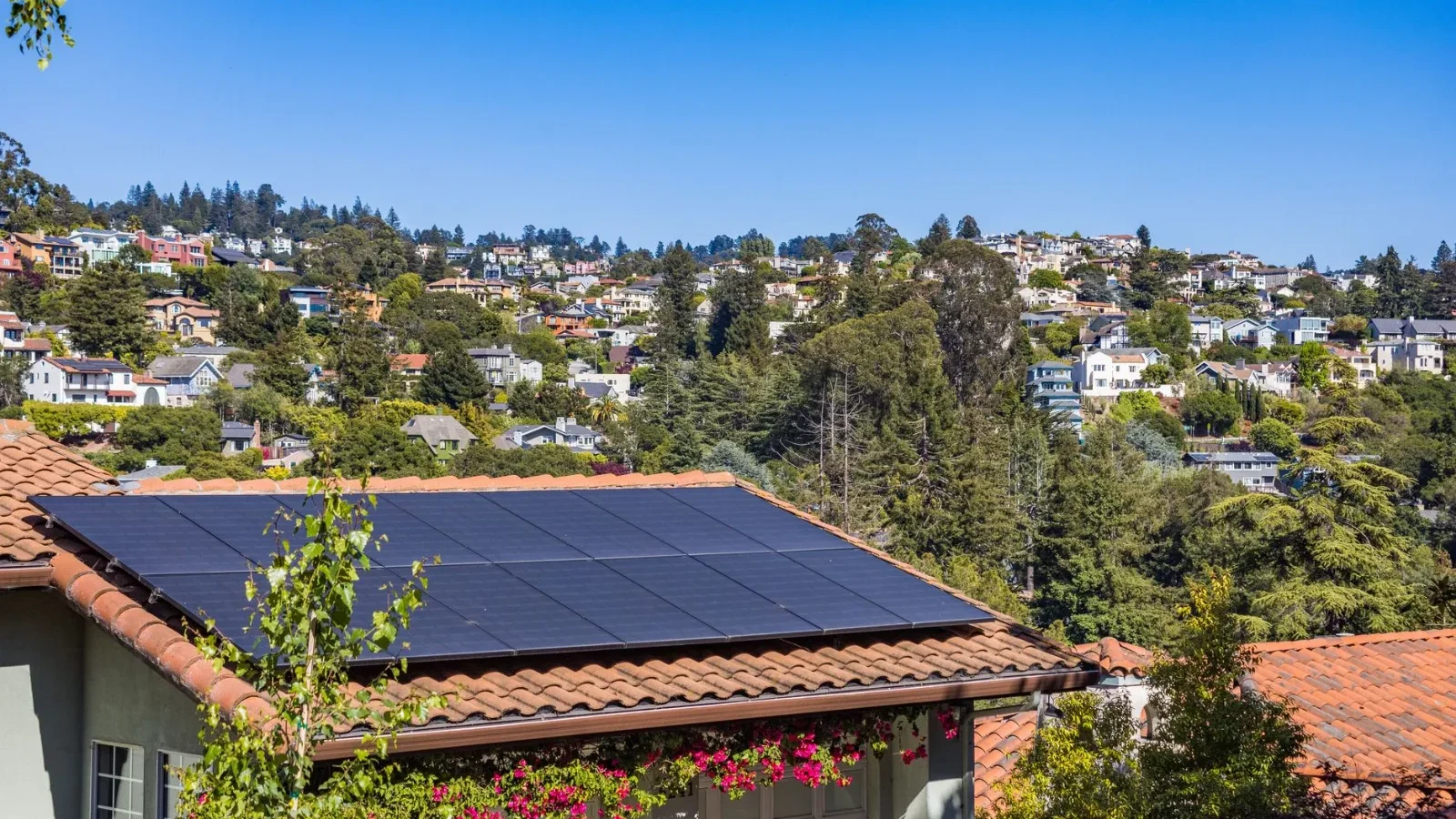
- Solar water heater: the highest long-term efficiency by far in sunny regions, since the sun’s heat is free. The catch is a high upfront cost and dependence on sunny days, usually with an electric backup for cloudy spells.
If you’re weighing running costs specifically, our comparison of solar vs electric geyser running costs lays out the maths for Indian homes.
Your Efficiency Action Plan
Let’s turn all of this into an order of operations you can actually follow this week.
- Start switching the geyser on only 15-20 minutes before bathing, and off straight after.
- Turn the thermostat down to a warm 55-60 °C rather than maximum.
- If you keep forgetting, fit a timer switch to automate it.
- In hard water, schedule an annual descale to keep the element clean.
- Insulate any long exposed hot-water pipe run.
- Only then consider bigger hardware like a 5-star unit or solar.
For a printable version, our geyser energy-saving checklist puts every step in one place.
Frequently Asked Questions
How can I make my water heater more efficient?
Switch it on only 15-20 minutes before a bath rather than leaving it on, set the thermostat to a warm 55-60 °C instead of maximum, and descale the element yearly if you have hard water. A timer switch and pipe insulation add further savings for very little cost.
Does a 5-star geyser really save electricity?
Yes, but mainly through lower standing heat loss, so it saves most when the geyser is left switched on for long periods. If you already switch it on only before a bath, the real-world difference from a lower-rated unit is smaller than the label suggests.
Should I keep my geyser switched on all day?
No. Leaving it on all day is the single most expensive habit, because the thermostat keeps re-heating to replace heat that constantly leaks from the tank. Heat the water only when you need it, and a well-insulated tank will hold that heat comfortably through your bath.
Why has my geyser bill suddenly increased?
The usual culprits are leaving it on longer in winter, setting the thermostat to maximum, and a scaled-up element in hard water that now takes longer to heat. Check those three before assuming the unit is faulty; the machine itself rarely fails first.
What temperature should I set my geyser to?
Around 55-60 °C suits most homes. It’s warm enough for a comfortable bath and to discourage bacteria, but low enough to slow scale and reduce standing heat loss. Setting it to maximum only wastes energy and raises the risk of scalding, especially for children and elders.
Final Word
Water heater efficiency isn’t a gadget you buy; it’s a handful of small, sensible habits backed by cheap one-time fixes. Switch on only when you need hot water, keep the thermostat warm rather than scalding, descale in hard water, and let a timer do the remembering. Do that and the bill drops without you sacrificing a single comfortable bath.
Ready to dig into the specifics? Browse all our efficiency guides, or start with the two biggest wins: lowering your geyser electricity bill and understanding star ratings.