Key Takeaways
- A rooftop solar water heater needs a strong, unshaded, south-facing roof spot and a tank mounted above the collector so thermosiphon flow works on its own.
- Two common types exist: ETC (evacuated tube) suits most Indian homes and hard water, while FPC (flat plate) handles pressurised lines better but costs more.
- Structural load, correct pipe slope, and insulated hot lines decide whether you actually get hot water on a cold morning.
- Always fit an electric backup element for cloudy days and plan for scale in hard-water areas.
- The roof frame, plumbing runs and any electrical backup are best handled by an experienced fitter, not a weekend guess.
Solar is the one water heater that pays you back every sunny morning, but only if it is fitted right. I have climbed onto more terraces than I can count to fix systems that were installed in a hurry: tanks mounted below the collector, shaded panels, or hot pipes running bare across a rooftop losing all their heat. If you understand the basics before the fitter arrives, you get a system that quietly gives free hot water for years. This sits under our wider water heater installation guides, so treat this as the rooftop chapter.
I will walk you through the site check, the two panel types, the mounting and plumbing, and the backup you should never skip. None of it is complicated, but every stage has one detail that trips people up.
Start on the Roof, Not in the Shop
Before anyone talks litres or brands, the roof decides everything. A solar water heater is only as good as the sunlight hitting it, so the first job is standing on the terrace and looking hard.
You want a spot that faces roughly south (in India that catches the most sun through the day) and stays clear of shade from water tanks, parapet walls, trees or a neighbour’s higher building. Even a couple of hours of afternoon shadow on the tubes will cut your hot water noticeably in winter.
- Check the roof slab can carry the load. A filled 200 L system with its frame and water can cross 250 kg sitting on a small footprint.
- Look for a shade-free path from morning to late afternoon, not just at noon.
- Make sure there is room to mount the tank above the collector for natural flow.
- Confirm a cold water feed and a return line can reach the bathrooms below without a huge pipe run.
A mistake I see constantly is a lovely panel fitted in the only free corner, which happens to sit in the shadow of the overhead tank by 3 pm. Sort the sunlight first, the plumbing second.
ETC or FPC: Picking the Right Collector
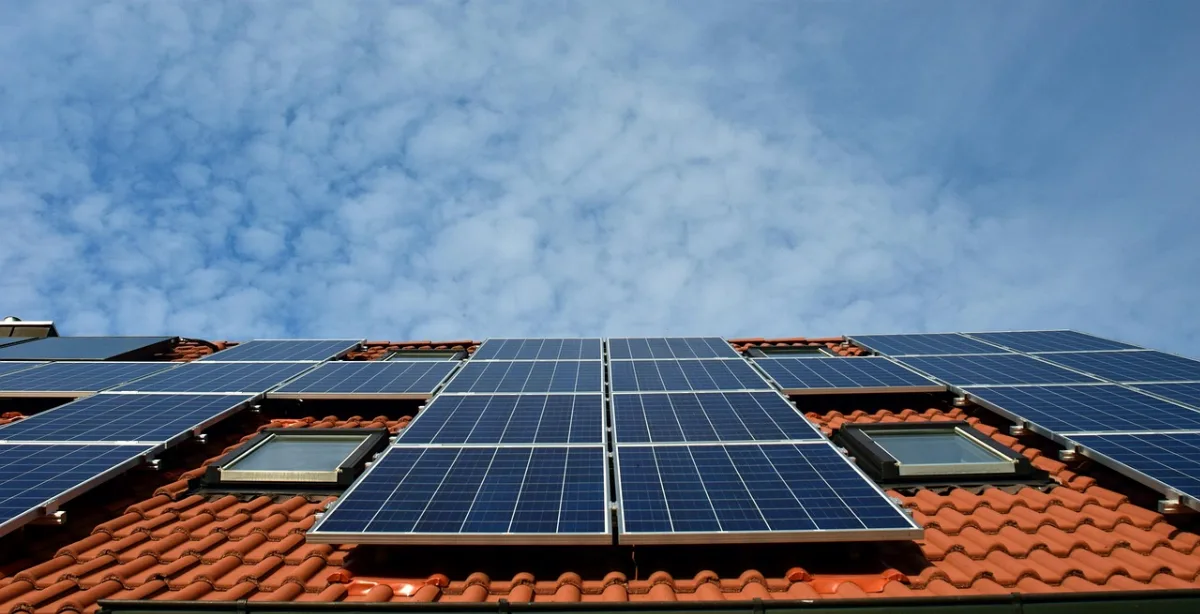
Rooftop solar comes in two main flavours, and the right one depends on your water and your building. Here is the honest comparison I give every family.
| Feature | ETC (evacuated tube) | FPC (flat plate) |
|---|---|---|
| Upfront cost | Lower | Higher |
| Hard water | Handles it better, tubes clean out | Scale can choke the copper grid |
| Pressure | Best on low-pressure tank feed | Takes pressurised lines well |
| Cold-climate durability | Glass tubes can crack from impact | Sturdy, hail resistant |
| Typical home fit | Most Indian houses | High-rise, pressurised plumbing |
For a standard independent house on borewell or municipal water, I usually point people to a 100 L to 200 L ETC system. It is cheaper, copes with our hard water, and the tubes are easy to replace if one ever breaks.
FPC earns its place in apartments and homes running pressure pumps, where the sealed copper collector holds up better under a pumped supply. It costs more, so only pay for it if your plumbing truly needs it.
Tip: In a hard-water belt, ask specifically about descaling access. ETC tubes can be pulled and cleaned, and some systems allow a mild acid flush of the tank. This one question saves you an expensive dead system in three or four years.
Mounting the Frame and Tank
The frame is what keeps your investment on the roof through monsoon wind and years of sun. Most systems come with a galvanised stand, and it must be anchored properly, not just weighed down with a few loose bricks.
- Set the frame on a level base and anchor it to the slab with proper fasteners or a bolted-down channel.
- Angle the collector to the correct tilt for your latitude so it faces the winter sun, when you need hot water most.
- Mount the storage tank higher than the top of the collector, so heated water rises into the tank on its own.
- Keep the tank as close to the collector as the layout allows to reduce heat loss in the connecting pipes.
- Tighten every clamp and recheck the whole stand for any wobble before filling.
That third point is the heart of a passive (thermosiphon) system. Hot water is lighter than cold, so it naturally rises from the collector into a tank placed above it, and cold water sinks back down to be heated. Put the tank too low and this circulation stalls, leaving you wondering why the sun is shining but the water is cold.

Plumbing the System Without Losing Heat
The plumbing on a solar system is simple in principle: cold in at the bottom, hot out at the top, all linked back to your existing lines. What separates a good job from a poor one is heat loss and slope.
- Insulate every hot line. Bare pipe on a windy terrace can shed most of your gain before the water reaches the bathroom.
- Keep pipe runs short and give hot lines a gentle continuous rise so air does not lock the flow.
- Fit isolation valves so the tank can be shut off for service without draining the whole house.
- Add a mixing arrangement or take care at the tap, because midday solar water can get hot enough to scald.
I once serviced a system in a hill town where the family swore it never worked. The panel was fine. The problem was 12 metres of uninsulated pipe snaking across a cold roof. We lagged the line, and suddenly they had steaming water. Insulation is cheap. Reheating with electricity because you skipped it is not.
The Electric Backup You Should Not Skip
Solar is wonderful, but the sun does not sign a contract. Cloudy weeks, heavy monsoon, and short winter days all cut your output, so almost every practical system includes an electric backup heater in the tank.
This backup element behaves like a normal electric geyser: it kicks in when solar heating is not enough. That means it needs the same electrical care you would give any bathroom heater, and the same earthing and protection.
Warning: The backup element must be on a proper earthed circuit with ELCB or RCCB protection, wired by a licensed electrician. A live element in a metal tank full of water on your roof is exactly the situation earthing exists to protect against. Never leave it running all day either, or you lose the whole point of going solar.
The way the electrics are run mirrors a standard geyser fit. If you want to see how that side is done properly, our step-by-step on installing an electric geyser covers the wiring, earthing and switch-on in full detail.

Filling, Testing and First Use
Never call the job done at the moment the last clamp is tight. The commissioning check is where a slow leak or an airlock shows itself, before it becomes a headache.
- Fill the tank fully and let all trapped air escape from a hot tap before switching on any backup.
- Walk every joint on the roof and check for weeping under normal pressure.
- Leave the system in the sun for a full day and confirm the tank water is genuinely hot by evening.
- Test the electric backup separately, and have the electrician press-test the ELCB.
- Check the hot water at a tap is hot but not dangerously scalding, and adjust if needed.
Run through the same care you would for any new heater. Our geyser installation checklist is a handy final walk-through, and much of it applies to the tank and electrical side of a solar unit too.
Keeping It Working for Years
A solar system asks for a little seasonal attention, and rewards it generously. Twice a year I would rinse dust off the tubes or plate, check the frame bolts, look at the insulation, and in hard-water homes plan a descale before scale chokes the flow.
If a single ETC tube cracks, the rest keep working while you replace just that one, which is a nice feature of that design. Solar water heating is a mature, standardised technology in India, and you can read the background on solar water heating for the wider picture, or check appliance efficiency guidance at the Bureau of Energy Efficiency.
Frequently Asked Questions
Do I really need the tank above the collector?
For a passive thermosiphon system, yes. Hot water is lighter and rises naturally into a tank placed above the collector, while cold water sinks to be heated. Mount the tank too low and this circulation stalls. Pumped systems can place the tank elsewhere, but they add cost and a pump to maintain.
Will a solar water heater work in winter and cloudy weather?
It still works, just less. Short winter days and cloud cut the heat gain, which is exactly why a good system includes an electric backup element. On sunny winter mornings you often get plenty. On grey monsoon days the backup quietly tops it up so nobody has a cold bath.
ETC or FPC for hard water?
ETC evacuated tube systems generally cope better with hard water because the tubes can be pulled and cleaned and the tank is easier to flush. Flat plate collectors have a copper grid that scale can slowly choke. In most hard-water Indian homes, I lean towards an ETC system for that reason.
Can I install a rooftop solar heater myself?
Handling parts on a roof, getting the tilt and tank height right, and wiring an earthed backup element is a lot to take on alone. The frame anchoring, pipe insulation and electrical backup really benefit from an experienced fitter. You can absolutely do the planning and site check yourself, then supervise the fit closely.
How much roof space does a system need?
A typical 100 L to 200 L domestic system needs a few square metres of clear, unshaded roof for the collector, plus room to sit the tank above it. The bigger constraint is usually shade-free access to sun through the day, not the raw footprint. Plan the sunny path before the size.
Getting Free Hot Water That Actually Lasts
A rooftop solar heater is one of the few home upgrades that keeps saving you money every sunny day, but only when the basics are right: real sunlight, a strong frame, the tank sitting above the collector, insulated pipes, and a properly earthed backup for the grey days. Get those in order and the system all but disappears into the background of your home.
If you want to line this up against other options first, browse our full set of installation guides, or start from the top with the complete water heater installation walkthrough. When roof work and rooftop plumbing are involved, a good fitter is money well spent.