Key Takeaways
- Most geyser damage I see is not from neglect alone, it’s from well-meaning maintenance done the wrong way, at the wrong time, or with the power still on.
- The two mistakes that ruin the most tanks: never draining the geyser for years, and letting the sacrificial anode rod rot away unchecked.
- Descaling with random strong acid, over-tightening fittings, and skipping the ELCB test do more harm than the scale you’re fighting.
- Always switch off at the MCB and let the tank cool before you touch anything, hot water under pressure does not forgive shortcuts.
- If a job needs opening live wiring or the tank flange and you’re unsure, that’s the moment to call a licensed technician, not to guess.
Here’s something that still surprises people: over the years, I’ve replaced more geysers killed by bad maintenance than by no maintenance at all. A homeowner reads a tip online, pours a bottle of something into the tank, cranks a spanner too hard, and a two-minute shortcut turns into a leaking flange or a burnt element. Good intentions, wrong method. After servicing hundreds of storage and instant geysers across Indian homes, I can usually guess what went wrong before I open the cover. By the end of this article you’ll know the eight maintenance mistakes that cause the most damage, and exactly what to do instead. If you’re new to all this, our complete water heater maintenance guide is the right place to build the full picture.
Why “small” maintenance mistakes cost so much
A geyser is a sealed pressure vessel with a live heating element sitting in water. That combination is unforgiving. A loose earth wire, a wrong descaling chemical, or an over-tightened joint doesn’t just look untidy, it can crack a tank, corrode a fitting from the inside, or make the metal body live.
The good news is that the common mistakes are predictable. Avoid these eight and you’ll cover most of what actually goes wrong in real homes.

Mistake 1: Never draining or flushing the tank
This is the number one killer of storage geysers in hard-water areas. People assume a sealed tank cleans itself. It doesn’t. Sediment and scale settle at the bottom year after year, until the element is buried and heating slows to a crawl.
In cities with hard water, I’ve opened five-year-old tanks with a fistful of grit at the bottom. That grit holds heat against the tank wall and speeds up corrosion. A periodic flush clears it. If you’ve never done one, our step-by-step guide on how to flush and drain a storage water heater walks through it safely.
Tip: In hard-water homes, flush the tank once a year. In soft-water areas, once every two years is usually enough. Do it before winter, when the geyser is about to work hardest.
Mistake 2: Ignoring the anode rod until it’s gone
The sacrificial anode rod is a strip of magnesium or aluminium designed to corrode instead of your tank. It quietly gives its life so the steel lasts. The problem is that nobody ever checks it, and once it’s fully eaten away, the tank itself becomes the next thing to rust.
By the time water turns rusty or smells of rotten eggs, the rod is usually long finished. A spent anode is a cheap part; a corroded tank is a new geyser. Check it every couple of years and replace it when it’s more than half consumed.
Mistake 3: Descaling with the wrong chemical or method
I’ve seen people pour undiluted hardware-shop acid straight into a tank to “dissolve the scale fast.” It dissolves scale, yes, and also eats gaskets, damages the glass lining, and pits the element mount. Strong acid used carelessly can do more damage in an hour than scale does in a year.
Descaling should be done with a diluted, appropriate solution, on the element in a bucket, not by dumping acid into a sealed tank. If you want to understand what’s happening first, read up on what geyser descaling is and why it matters before you reach for any bottle.
Warning: Never mix descaling acids with bleach or other cleaners, and always wear gloves and eye protection. Work in a ventilated space. If you’re unsure of the concentration, dilute more, not less.
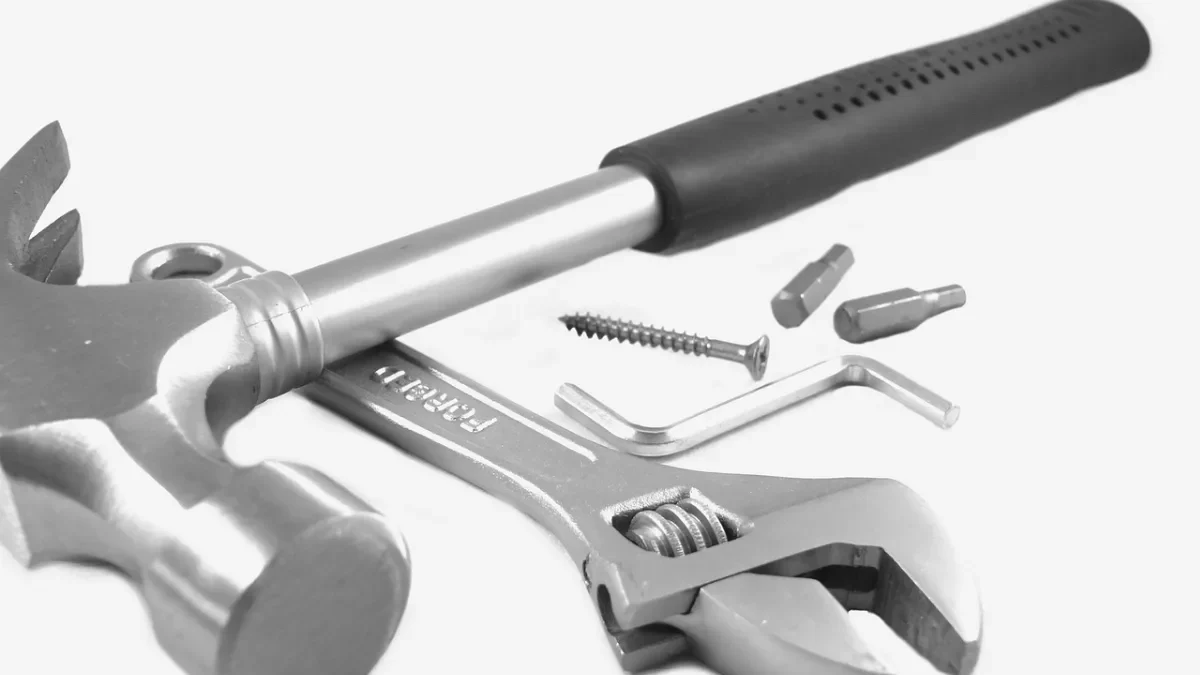
Mistake 4: Working with the power on
This one is non-negotiable. Every year I hear of someone who got a shock while cleaning around a geyser because they only switched off the wall switch, not the MCB. A wall switch can still leave the appliance live through a faulty connection.
Before any maintenance, follow this order:
- Switch off the geyser at the dedicated MCB in your distribution board, not just the bathroom switch.
- Wait for the water to cool, hot water under pressure can scald badly.
- Close the inlet valve so no fresh water enters while you work.
- Open a hot tap to release pressure before loosening any fitting.
- Confirm there’s no power at the point before you open the element cover.
Mistake 5: Over-tightening fittings and the element flange
There’s a belief that “tighter means no leak.” With plastic threads and rubber gaskets, the opposite is often true. Crank a fitting too hard and you crack the thread or crush the gasket out of shape, and now it leaks worse than before.
Snug plus a small nudge is the target. Use proper thread tape on tapered threads, seat gaskets flat, and hand-tighten flange bolts evenly in a cross pattern so the seal sits square. If it still weeps after that, the gasket is the problem, not the tightness.
Mistake 6: Never testing the ELCB or safety valve
The ELCB or RCCB is the device that cuts power if current leaks to earth, it’s the thing standing between you and a serious shock. Yet most people never press the test button from one year to the next. A safety device that has silently failed is worse than none, because you trust it.
Press the test button on your ELCB every month or two; it should trip instantly. The pressure relief valve should also be checked, a valve seized with scale can’t release pressure when it needs to. Both take seconds and both are quietly protecting your family.
Mistake 7: Setting the thermostat too high
Running the thermostat at maximum feels like you’re getting more hot water. What you’re actually getting is faster scale buildup, higher standing heat loss, a bigger bill, and a scald risk. Very hot water precipitates scale much faster, which then coats the element and makes everything worse.
A moderate setting, warm enough to bathe by mixing with cold, is kinder to the tank and the bill. It’s a maintenance habit as much as an energy one.
Mistake 8: Doing DIY on jobs that need a professional
I’m all for homeowners doing basic upkeep, flushing, checking, cleaning aerators. But some jobs sit past the DIY line: rewiring the connection, replacing a tank flange, or diagnosing repeated tripping. Getting these wrong risks a shock, a flood, or a voided warranty.
Know your limit. If a task involves opening live wiring or the sealed tank flange and you’re not confident, call a licensed electrician or plumber. It’s cheaper than the repair that follows a botched attempt.
Quick reference: mistake, risk and the fix
| Mistake | What it risks | Do this instead |
|---|---|---|
| Never flushing the tank | Buried element, slow heating, corrosion | Flush yearly in hard water |
| Ignoring the anode rod | Rusty water, tank failure | Check every 2 years, replace when half gone |
| Wrong descaling chemical | Damaged lining and gaskets | Use diluted, correct solution on the element |
| Power left on | Electric shock | Switch off at the MCB, confirm dead |
| Over-tightening | Cracked threads, worse leaks | Snug plus a nudge, seat gaskets flat |
| Never testing ELCB | No protection when you need it | Press test button every 1-2 months |
| Thermostat too high | Fast scaling, high bills, scald risk | Set a moderate temperature |
| DIY beyond your skill | Shock, flood, void warranty | Call a licensed professional |
Frequently Asked Questions
Can I damage my geyser by descaling it?
Yes, if you use the wrong method. Pouring strong undiluted acid into a sealed tank can damage the glass lining, gaskets and element mount. Descale the element in a bucket using a properly diluted solution instead, and never mix cleaning chemicals together.
Is it safe to clean a geyser without turning off the MCB?
No. A wall switch can leave the appliance live through a faulty connection. Always switch off at the dedicated MCB, let the water cool, and confirm there is no power before you open any cover or touch wiring. This is the single most important safety step.
How often should I flush my geyser tank?
In hard-water areas, flush the tank about once a year. In soft-water regions, every two years is usually enough. Doing it just before winter is ideal, since that’s when your geyser works hardest and scale slows heating the most.
Does setting the thermostat higher clean the tank?
No, it does the opposite. Very hot water makes scale form faster, which coats the element and speeds corrosion. A moderate temperature is easier on the tank, cheaper to run, and safer against scalding. High heat is a common but costly maintenance mistake.
When should I call a professional instead of doing it myself?
Call a licensed electrician or plumber for any job involving live wiring, replacing the tank flange, or diagnosing repeated tripping. Basic flushing, checking the anode, and cleaning aerators are fine to do yourself once the power is safely off.
Maintain smarter, not harder
None of these mistakes come from laziness. They come from doing the right thing the wrong way, tightening too hard, descaling too aggressively, or skipping the safety step that feels optional until the day it isn’t. Get the method right and a geyser will serve you quietly for a decade. To keep going, see the water heater maintenance myths worth debunking, and browse more practical guides in our maintenance section. For the science behind it all, the general overview of water heating on Wikipedia is a solid, neutral read.