Key Takeaways
- The single most dangerous mistake is running a geyser with no earthing or a dead ELCB, in a wet bathroom that turns a small leak of current into a shock you can feel.
- Leaving the geyser switched on around the clock is a fire and pressure risk, not just a bill problem; switch off after your bath.
- Ignoring a dripping pressure relief valve, or worse, blocking it, removes the one thing standing between you and a burst tank.
- Touching a live geyser with wet hands, and skipping annual servicing in hard-water areas, are quiet mistakes that turn into sudden ones.
- Almost every accident I’ve seen traces back to a shortcut nobody thought was risky at the time.
The scariest geyser jobs I get called to aren’t the dramatic ones. They’re the “it’s been working fine for years” installs where a small, invisible fault has been waiting patiently in a wet bathroom. In more than a decade of fitting and servicing geysers across Indian homes, I’ve learned that most water-heater accidents aren’t bad luck, they’re the result of a handful of avoidable habits and shortcuts. By the end of this piece you’ll know the eight mistakes I see most often, why each one is genuinely dangerous, and exactly how to fix it today. For the full picture, keep our complete guide to water heater safety open alongside this.
Mistake 1: Running the geyser with no earthing or a dead ELCB
This is the one that keeps me up at night. A geyser combines electricity, water, and metal in a room where you stand barefoot on a wet floor. The earth wire and the ELCB (or RCCB) are what protect you if the heating element ever leaks current into the water or the body.
The dangerous part is that a geyser with no earth still gives you hot water perfectly well. Nothing looks wrong until the day the element develops a fault, and then the whole metal body can become live. I’ve measured leakage voltage on “perfectly working” geysers that would have floored someone.
Warning: Never assume the earth is connected just because the geyser runs. Get a licensed electrician to confirm genuine earth continuity and to press-test the ELCB. If you’re doing it yourself, follow a proper method like our step-by-step guide on how to earth a geyser correctly.
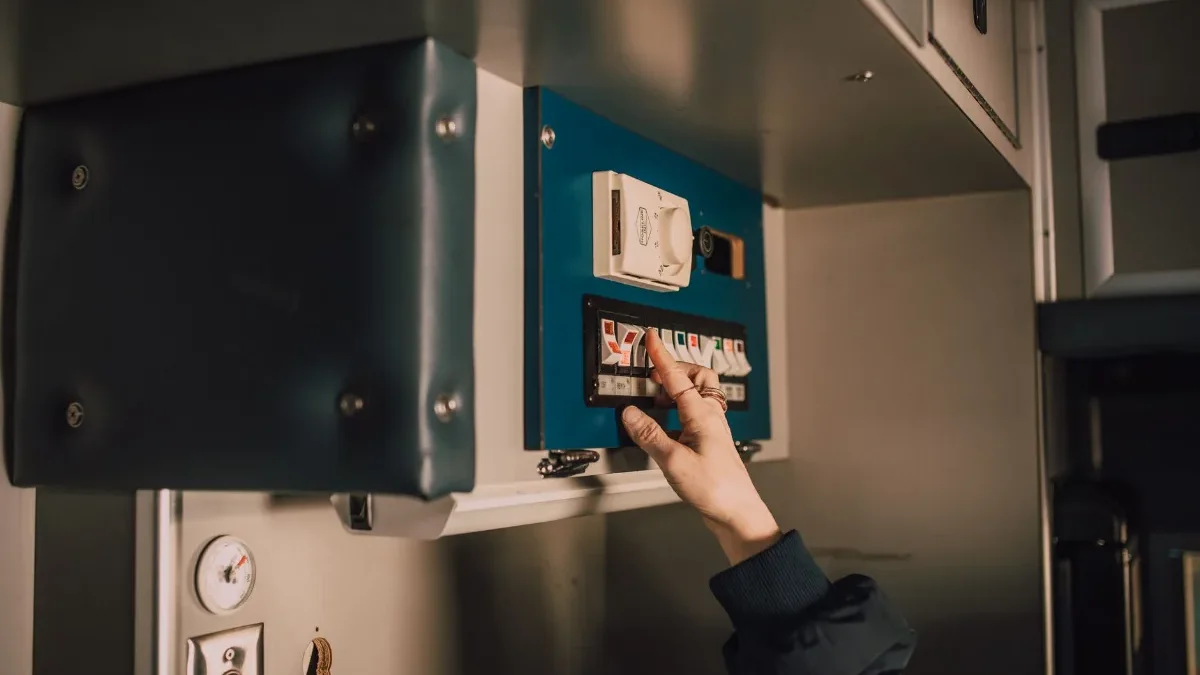
Mistake 2: Leaving the geyser switched on all day
Plenty of homes treat the geyser like a fridge, permanently on. People assume the thermostat will simply cut off at temperature and stay safe. Most of the time it does. The problem is what happens the day it doesn’t.
A thermostat that sticks closed keeps heating with nothing to stop it, and now you’re relying entirely on the pressure relief valve and a thermal cut-out. Running the geyser 24 hours a day just gives those single points of failure far more chances to be tested. It also wastes electricity on standby losses, but the safety angle is the one people underrate.
My habit, and my advice, is simple: switch it on 15 to 30 minutes before your bath, switch it off after. A modern storage geyser holds heat well enough that you rarely need it running any longer.
Mistake 3: Ignoring or blocking the pressure relief valve
The pressure relief valve is the small brass fitting that most owners never think about, right up until it starts dripping. And a drip is exactly when people make the worst decision: they get a fitter to “seal it up” because it’s making a mess.
That drip is the valve doing its job, releasing excess pressure so the tank never has to. Block it, cap it, or paint over it, and you’ve removed the one component designed to prevent a burst tank if the thermostat fails. A sealed valve on a stuck thermostat is one of the genuinely frightening setups I come across.
If your valve drips constantly, the fix is to replace the valve or check the inlet pressure, never to plug it. Where the wall allows, run a small drain line so any release goes safely to a drain instead of onto the wiring below.
Mistake 4: Touching the geyser or switch with wet hands
This sounds obvious, and yet it’s the most common everyday risk I have to nag people about. Wet skin conducts far better than dry skin, so a fault current that dry hands might not even notice can become a serious shock through wet ones.
The classic scenario is reaching up to flick the geyser switch mid-bath with dripping hands, or operating a switchboard that sits inside the bathroom. Keep the switch outside the wet zone if you possibly can, and make “dry hands on the switch” a family rule, especially for children and elderly members.
Tip: The ideal setup is a geyser switch mounted outside the bathroom or well away from the shower, on its own ELCB-protected circuit. If yours is inside a splash zone, ask an electrician about relocating it, it’s usually a small job with a big safety payoff.
Mistake 5: Using the wrong wiring or an overloaded point
A storage geyser typically draws around 2 kW, which needs a dedicated point with correctly rated cable and its own MCB. I still find geysers spliced into a lighting circuit, run off an extension board, or wired with thin cable that gets warm to the touch.
Undersized or shared wiring overheats over time. The insulation degrades, connections loosen, and you get intermittent tripping that people “solve” by resetting the MCB again and again. That’s the appliance warning you.
Mistake 6: Skipping servicing in hard-water areas
Most Indian cities have hard water, and hard water is brutal on a geyser. Scale builds up on the heating element and inside the tank, forcing the element to run hotter and longer to do the same job. That extra stress is what eventually cracks an element or corrodes the tank.
A neglected geyser doesn’t announce that it’s becoming unsafe. It just quietly degrades until an element fails or the tank starts weeping. Annual servicing, including descaling and an anode-rod check, keeps the appliance both efficient and safe.
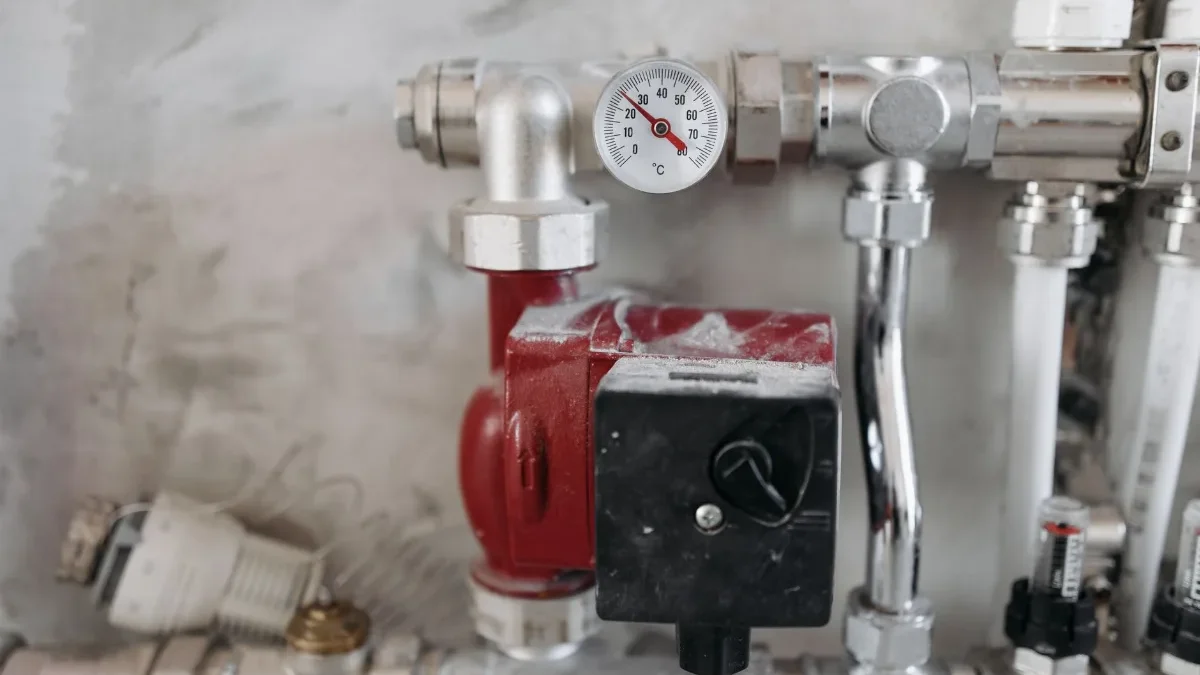
Mistake 7: Ignoring early warning signs
Geysers usually tell you they’re in trouble before they fail outright. The mistake is treating those signs as quirks rather than warnings, and living with them for months.
- A mild tingle or shock when you touch the tap or geyser body, this is an earthing or leakage fault and needs immediate attention.
- The MCB or ELCB tripping repeatedly, which is protection working, not a nuisance to bypass.
- Rusty or discoloured water, a burning smell, or unusual rumbling and popping from the tank.
- Visible rust streaks or water pooling under the unit.
Any tingle or repeated tripping means switch off at the MCB and call a professional before using the geyser again. These are not “later” problems.
Mistake 8: Attempting live electrical repairs yourself
I’m all for capable homeowners doing sensible DIY, but opening a geyser’s electrical connections while it’s powered, or working on a filled tank without isolating it, is where confidence turns into danger.
The safe sequence is always the same: switch off at the MCB, confirm it’s dead with a tester, and drain the tank before touching the element or thermostat. Element and thermostat work involves live parts and stored hot water under pressure, so if you’re unsure at any step, that’s the moment to call a licensed electrician rather than push on.
The mistakes at a glance
| The mistake | Why it’s dangerous | The fix |
|---|---|---|
| No earthing / dead ELCB | Live body, shock risk in a wet room | Verify earth and press-test the ELCB |
| Left on all day | Stresses safety cut-outs and valve | Switch on before, off after your bath |
| Blocked relief valve | Removes burst-tank protection | Replace, never seal, a dripping valve |
| Wet hands on switch | Wet skin conducts a fault current | Keep switch dry and outside splash zone |
| Wrong / shared wiring | Overheating and nuisance tripping | Dedicated point, rated cable and MCB |
| No servicing | Scale and corrosion cause failures | Descale and inspect yearly |
None of these fixes is expensive or complicated. What they need is a change of habit and a willingness to treat the geyser as the high-power appliance it is, not a switch you flick without thinking.
Frequently Asked Questions
Is it dangerous to leave a geyser switched on all the time?
It adds risk over time. A working thermostat cuts off at temperature, but leaving the geyser on 24 hours a day gives a stuck thermostat far more chances to fail, relying entirely on the relief valve and thermal cut-out. It also wastes power, so switch off after your bath.
Why do I get a small shock from my geyser or tap?
A tingle or shock almost always means faulty earthing or current leaking from the heating element into the water. This is dangerous in a wet bathroom. Switch off at the MCB immediately and do not use the geyser until a licensed electrician checks the earthing and the ELCB.
Can I seal a dripping pressure relief valve?
Never. A dripping valve is releasing excess pressure, exactly its job. Blocking or sealing it removes the only protection against a burst tank if the thermostat fails. If it drips constantly, replace the valve or check the inlet pressure, but keep the valve fully functional at all times.
How often should I service my geyser for safety?
In most Indian cities with hard water, once a year is sensible. Servicing includes descaling the element and tank, checking the anode rod, and testing the earthing and safety devices. Neglected geysers degrade quietly until an element fails or the tank corrodes, so regular checks matter.
Is it safe to repair a geyser myself?
Basic checks are fine, but live electrical work is not. Always switch off at the MCB, confirm it’s dead with a tester, and drain the tank before touching the element or thermostat. If you’re unsure at any step, stop and call a licensed electrician rather than risk a shock.
Final Word
Every dangerous geyser I’ve been called to had a story that started with a small, understandable shortcut. Verify the earthing, keep the relief valve working, switch off after your bath, use proper wiring, and service the unit yearly. Do those five things and you’ve closed off almost every path to an accident.
If any of these mistakes sound familiar in your home, don’t panic, just fix them one at a time. To go further, our roundup of common geyser safety myths that put you at risk untangles the bad advice behind many of these habits, and you can browse everything in our geyser safety guides. For a neutral overview of the standards mark to look for, the Bureau of Indian Standards site is a good reference.