Key Takeaways
- A pressure relief valve is meant to release a little water as the tank heats, so an occasional drip during a heating cycle is normal and protective.
- A steady stream that never stops points to a real fault: high inlet pressure, a worn valve seat, or a thermostat set too high.
- Never cap, plug, or tie off the valve to stop a leak, because that removes the geyser’s main safety release.
- A pressure reducing valve on the inlet and a correctly set thermostat cure most persistent drips.
You walk into the bathroom and hear a slow tick of water hitting the floor below the geyser. Nine times out of ten it is the small brass valve on the inlet pipe doing exactly what it was built to do. The worry starts only when that tick turns into a trickle that will not stop.
A dripping pressure valve is one of the most misread faults I get called out for, and honestly, half the time the geyser is perfectly healthy. Before you panic or reach for a spanner, it pays to understand what the valve is telling you, and the wider water heater repair guide sits well alongside this piece.
What That Little Brass Valve Is Actually For
The part leaking is your pressure relief valve, sometimes sold as a safety valve or a multi-function valve on Indian storage geysers. It is a safety device, not a nuisance. When water heats inside a sealed tank, it expands and the pressure climbs.
If that pressure rises past a safe limit, the valve opens and lets a small amount of water escape to protect the tank from bulging or, in the worst case, bursting. So a valve that opens now and then is not failing. It is quietly saving you from a far bigger problem.
A Normal Drip Versus a Real Leak
The trick is telling the difference between the valve working as designed and the valve struggling. The clue is in the timing and the volume, not just the fact that water appears.
| What you see | Likely meaning | Action |
|---|---|---|
| A few drops only while the geyser is heating | Normal thermal expansion release | Nothing needed, watch it |
| A steady trickle even when the geyser is off | Faulty valve or high inlet pressure | Investigate the cause |
| A constant stream, warm to hot | Thermostat too high or stuck | Turn power off, call for help |
| Rusty or gritty water from the valve | Scale or debris on the seat | Valve likely needs replacing |
A good rule I share with families: if the drip stops once the geyser reaches temperature and the light clicks off, relax. If it carries on with the power switched off, something needs attention.
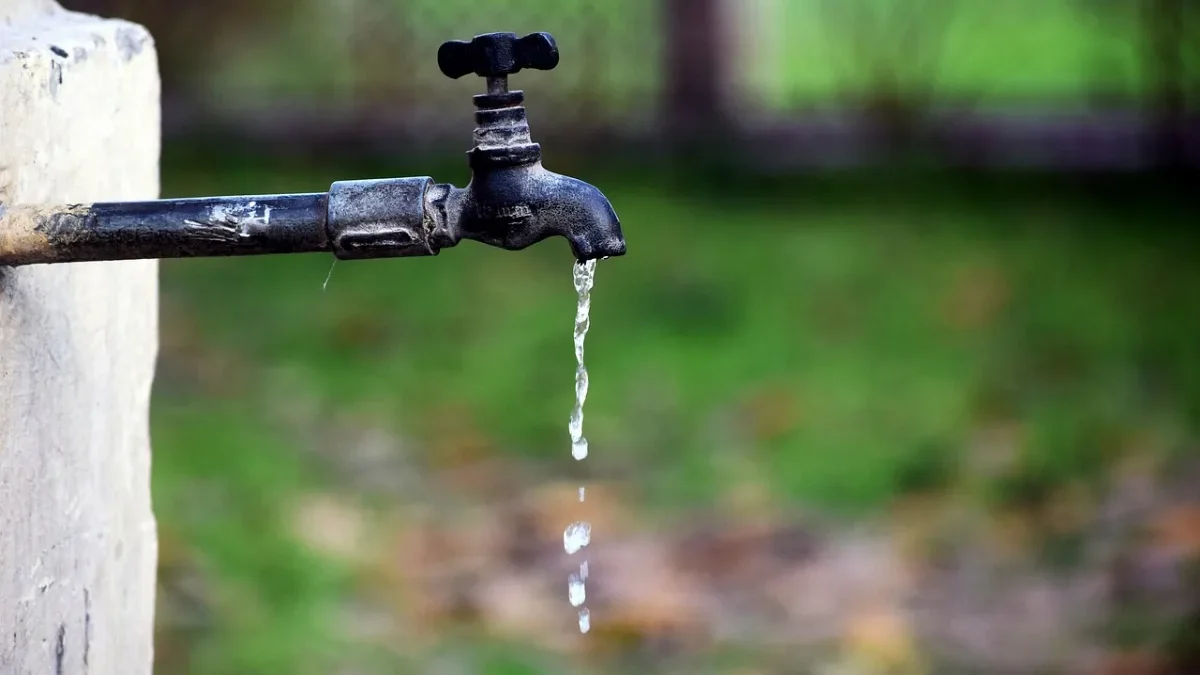
Why the Valve Keeps Leaking
A valve that drips non-stop is usually reacting to one of a handful of causes. Working through them in order saves you buying parts you do not need.
- High inlet pressure. An overhead tank fitted very high, or a booster pump feeding the line, can push more pressure than the valve is rated to hold.
- A worn valve seat. After two or three years the rubber or brass seat wears, and it can no longer close fully against the water.
- Thermostat set too high. Water heated to 70 degrees or more expands harder, so the valve opens more often to bleed off pressure.
- Scale or grit on the seat. In hard water areas, a fleck of scale lodges under the valve and holds it open.
- Simple old age. These valves are cheap, and after four or five years they are often past their best.
A mistake I see constantly is people blaming the geyser tank itself when the valve is the only thing at fault. The tank is usually fine. The five hundred rupee valve is the part crying for help.
What You Can Safely Check Yourself
You can narrow down the cause without opening anything electrical. Take it slowly and switch the geyser off at the wall before you start poking around.
- Switch off the geyser at the MCB or wall switch and let it cool for an hour.
- Look at the thermostat dial. If it is turned near maximum, bring it down to around 55 to 60 degrees.
- Watch the valve through one full heating cycle. Note whether the drip stops when the heating light goes off.
- Gently lift the small test lever on the valve, if it has one, and let it snap back. Sometimes a bit of grit clears and the seat reseals.
- Feel the inlet pipe. If your building has a strong pump or a very high tank, high pressure is the likely villain.
Warning: Never plug, cap, or tie down a leaking pressure valve to stop the water. That valve is the only thing releasing dangerous pressure from a sealed tank. Blocking it can turn a harmless drip into a real risk of the tank rupturing.
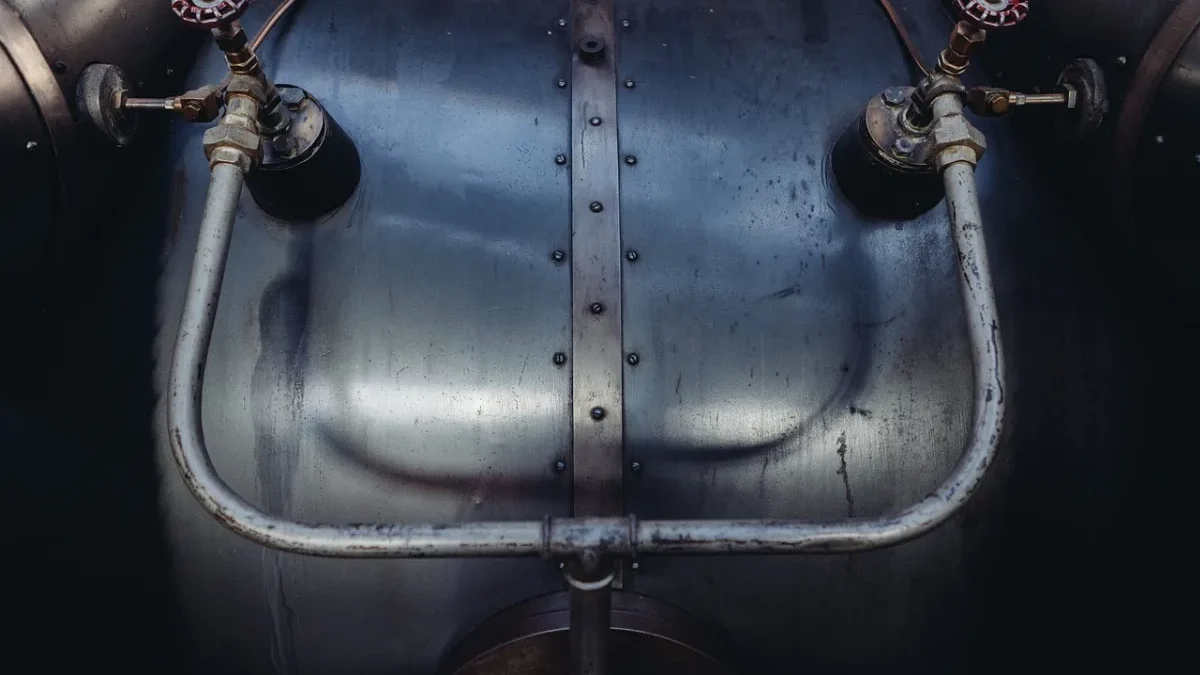
Fitting a Pressure Reducing Valve
When the drip traces back to high inlet pressure, the real fix is a pressure reducing valve on the incoming line, not a fresh safety valve every few months. This small device sits on the cold feed and holds the pressure reaching the geyser to a steady, gentle level.
When I fitted one for a family on the fourth floor of a Pune apartment, their geyser had chewed through two safety valves in a year. The building pump was simply too strong. One pressure reducing valve later, the dripping stopped for good and both bathrooms behaved.
These valves are inexpensive, and any plumber can fit one in under an hour. If your relief valve keeps failing on a set schedule, pressure is almost certainly the reason, and this is the lasting cure.
When to Stop and Call a Plumber
Some situations are past the point of a home fix. Call a professional if the valve streams hot water non-stop even with the power off, since that hints at a stuck thermostat overheating the tank. The same goes for water leaking from the body of the tank rather than the valve.
If your geyser has also stopped heating properly, or trips the MCB, the valve leak may be part of a bigger fault. Our notes on a geyser that will not heat and the general water heater troubleshooting steps will help you describe the problem clearly before the plumber arrives.

Keeping It From Coming Back
Once the drip is cured, a few habits keep it gone. Hold the thermostat around 55 to 60 degrees rather than the maximum, which eases both the pressure and your electricity bill. In hard water areas, get the tank flushed once a year so scale does not settle on the valve seat.
Treat the safety valve as a wear part. Replacing it every three to four years is cheap insurance. Any valve you fit should carry an ISI mark, and the Bureau of Indian Standards is the reference point for genuine, safety-tested fittings rather than loose market spares.
Frequently Asked Questions
Is it normal for a geyser pressure valve to drip?
A little dripping while the geyser heats is normal. As water warms it expands and the valve releases the extra pressure to protect the tank. If the drip stops once the heating light goes off, there is nothing to fix. A non-stop trickle with the power off is the real warning sign.
Can I stop the leak by tightening or blocking the valve?
No, never block or cap a pressure relief valve. It is the only part releasing dangerous pressure from a sealed tank, and sealing it can cause the tank to rupture. If the valve leaks constantly, replace it with a new ISI marked valve rather than trying to silence the old one.
Why does my safety valve fail every few months?
Repeated valve failure almost always means high inlet water pressure, usually from a strong building pump or a very high overhead tank. Each valve wears out fast fighting that pressure. Fitting a pressure reducing valve on the cold inlet line holds the pressure steady and stops the constant failures for good.
Does a high thermostat setting cause the valve to leak?
Yes, it can. Water heated to 70 degrees or more expands harder than water at 55 degrees, so the valve opens more often to bleed off pressure. Lowering the thermostat to around 55 to 60 degrees reduces the dripping and saves electricity at the same time.
How much does it cost to replace a geyser safety valve?
A genuine ISI marked pressure relief valve usually costs a few hundred rupees, and a plumber will fit it in under an hour. A pressure reducing valve for high pressure lines costs a little more. Both are inexpensive compared with the damage a blocked or failed valve can cause.
Getting Back to a Dry Floor
A dripping pressure valve is rarely the disaster it feels like. Learn to spot the difference between a normal heating drip and a constant leak, ease your thermostat down, and fit a pressure reducing valve if your building runs hot on pressure. Do that and the puddle under the geyser disappears for good. If the fault sits deeper, walk through the rest of the repair guide or browse more fixes in the repairs section before you call in help.