Key Takeaways
- “Just keep resetting the MCB” is the most dangerous myth; repeated tripping is a warning, not a nuisance, and usually means current is leaking to earth.
- A leaking geyser is not always a dead geyser, many leaks are from fittings, the relief valve or a worn gasket, and are cheap to fix.
- Salt, chilli paste and other kitchen “descaling hacks” do more harm than a proper descale; hard-water scale needs the right method, not folklore.
- Switching a geyser off and on all day rarely saves money and can stress components; a timer or sensible thermostat setting does the job better.
- “Any repairman will do” ignores the real risk in a wet bathroom, earthing, the ELCB and gas safety are not optional extras.
Bad repair advice spreads faster than any fault. Someone’s uncle fixed a geyser this way in 1998, the shopkeeper swears by a home remedy, a video promises a two-minute miracle, and suddenly a simple problem gets treated with folklore instead of facts. In the homes I’ve serviced, believing these myths is what turns a ₹500 fix into a replaced unit, or worse, a shock risk. After years of undoing “solutions” that made things worse, I’ve collected the myths that cause the most damage. By the end you’ll know which repair advice to quietly ignore, and what actually works instead. If you want the grounded version throughout, keep our complete water heater repair guide open alongside this.
Myth 1: “If it trips, just keep resetting the MCB”
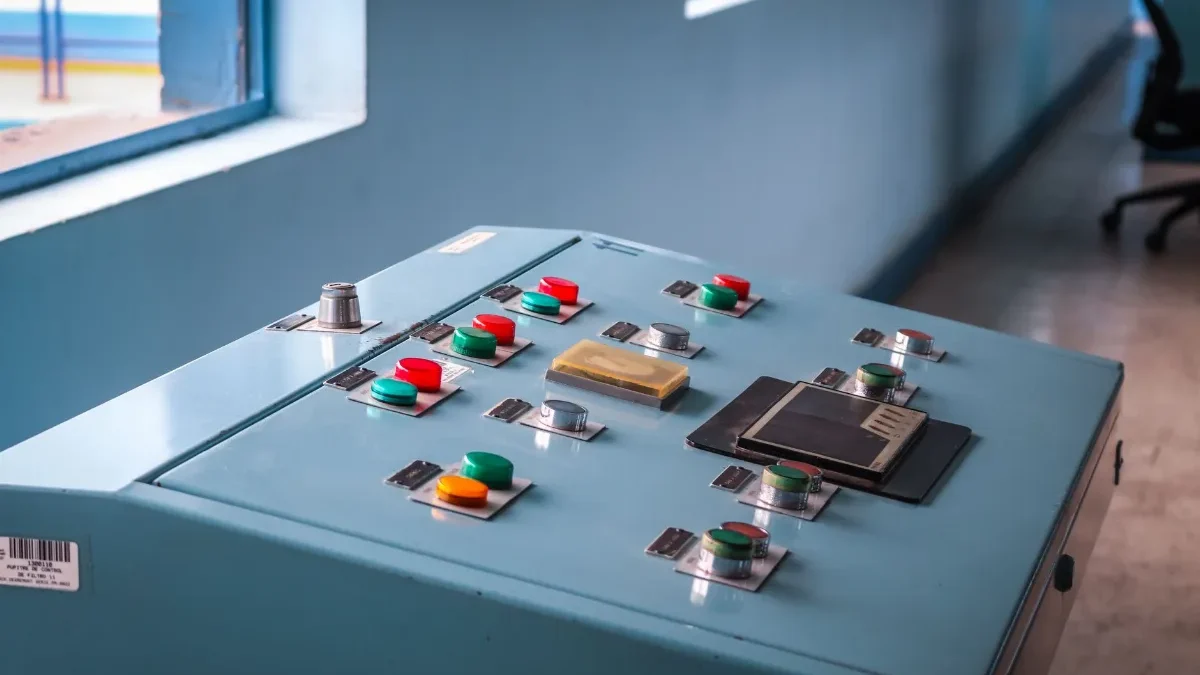
The fact: Repeated tripping is the electrical system protecting you, not being difficult. A geyser that trips the MCB or ELCB again and again is almost always leaking current to earth, usually from a failing element or damp wiring. Resetting it repeatedly forces power back into a fault.
This is the myth I most want gone, because in a wet bathroom it’s a genuine shock risk. If your geyser trips, switch it off and leave it off. Get the element and earthing checked before you use it again. The trip is doing exactly what it’s designed to do.
Warning: Never keep resetting a geyser that repeatedly trips the ELCB. That device trips because it detects current leaking to earth, exactly the fault that can shock you. Switch it off and have a licensed electrician find the cause first.
Myth 2: “A leaking geyser always means the tank is finished”
The fact: Most leaks I’m called to aren’t the inner tank at all. They’re a loose inlet or outlet connection, a tired element gasket, or the pressure relief valve doing its job. Every one of those is a cheap, ordinary repair, not a reason to buy a new geyser.
The inner tank failing is real, and when it goes the geyser is genuinely done, but it’s the exception, not the rule. Before you accept a “replace it” verdict, find out where the water is actually coming from. Our step-by-step on geyser repair mistakes to avoid covers how to inspect a leak safely before spending anything.
Myth 3: “Kitchen hacks can descale a geyser”
The fact: Salt, chilli paste, random acids poured in, none of these belong in a geyser. Hard-water scale is a stubborn mineral crust on the element and tank, and folklore remedies either do nothing or attack the very components you’re trying to protect.
Proper descaling means draining the tank, removing the element, and cleaning it with the right, appropriately diluted descaler, then rinsing thoroughly. In hard-water areas this matters, scale is behind a huge share of “weak heating” and “high bill” complaints. Do it correctly or leave it to a service technician; don’t pour a home remedy into a sealed pressure vessel.
Myth 4: “Switching the geyser on and off all day saves power”
The fact: Flicking a modern, well-insulated storage geyser on and off constantly saves very little, and the fiddling can stress the switch and thermostat over time. A good geyser holds its heat; the real waste is heating water you never use.
What actually helps is heating on a schedule that matches your baths, using a timer, and setting the thermostat sensibly rather than at maximum. That’s an efficiency habit, not a repair, but this myth causes real wear, so it earns a place here.

Myth 5: “Any repairman can fix any geyser”
The fact: Electric and gas geysers are different animals, and a wet bathroom raises the stakes on both. Electric repairs demand correct earthing and a working ELCB; gas geysers involve combustion, flues and carbon-monoxide risk that a general handyman shouldn’t guess at.
“He fixes everything in the building” is not the same as “he’s qualified for this”. For anything touching a gas connection, burner or flue, use a technician trained for gas work. For electric faults, insist the earthing and leakage protection are checked as part of the job, not skipped to save ten minutes.
Myth 6: “Turning the thermostat to maximum heats water faster”
The fact: The thermostat sets the target temperature, not the speed. A 2 kW element heats at the same rate whether the dial is at 60°C or maxed out; cranking it higher just makes the water hotter and more scale-prone, and raises scalding risk.
People “fix” slow heating by turning the dial up, then wonder why the bill climbs and scale builds faster. If heating is genuinely slow, the cause is usually a scaled element or a tired thermostat, not a low setting. A moderate temperature is safer, cheaper, and kinder to the tank.
Myth 7: “A dripping relief valve just needs plugging”
The fact: The pressure relief valve drips to release excess pressure, and blocking it removes your protection against a faulty thermostat overheating the tank. Capping a dripping valve is one of the genuinely dangerous “repairs” I come across.
A valve that drips constantly is telling you something, often high mains pressure or a worn valve. The fix is to diagnose that and fit a correct new valve, never to seal it off. Treat that little valve with respect; it’s cheap insurance against a very expensive failure.
Tip: Once a year, gently lift the relief valve’s lever for a second and let it snap back, so it releases a little water and reseats. A valve that never moves can seize, exactly when you’d most want it to work.
Myth 8: “New geysers never need servicing”
The fact: A warranty covers defects, not scale, and a brand-new geyser in a hard-water area still builds deposits on the element from day one. “New means maintenance-free” is how a two-year-old geyser ends up heating weakly and costing more to run.
Even new units benefit from a check on the anode rod, a look at the element, and a descale on a sensible schedule for your water. Skipping it doesn’t void anything today, but it quietly shortens the life you paid for.
Myths vs facts, side by side
| The myth | The reality |
|---|---|
| Just keep resetting the MCB | Repeated tripping means a real earth-leakage fault |
| A leak means a dead tank | Most leaks are fittings, gaskets or the valve |
| Kitchen hacks descale a geyser | Only proper draining and the right descaler work |
| Max thermostat heats faster | It only sets temperature, not heating speed |
| Plug a dripping relief valve | Never; diagnose and fit a correct new valve |
Notice the pattern: every myth here trades a real fix for a shortcut, and the shortcut costs more, in money, in the geyser’s life, or in safety. When advice sounds too easy for a sealed, electrically live, pressurised appliance, be suspicious of it. For the practical flip side of these myths, our list of common geyser repair mistakes shows exactly what goes wrong when the folklore wins.
Frequently Asked Questions
Is it safe to keep resetting a geyser that trips?
No. Repeated tripping means the ELCB or MCB is detecting a real fault, usually current leaking to earth from a failing element or damp wiring. Resetting forces power back into that fault. Switch it off and get the element and earthing checked before using the geyser again.
Does a leaking geyser always need replacing?
Not usually. Most leaks come from loose inlet or outlet connections, a worn element gasket, or the pressure relief valve, all cheap repairs. Only a leak from the inner tank itself means the geyser is finished. Find the source before accepting a costly replacement.
Can I descale my geyser with salt or vinegar from the kitchen?
Salt does not descale and can worsen corrosion. Household vinegar is very weak for heavy scale and shouldn’t just be poured into a sealed tank. Proper descaling means draining, removing the element, and cleaning it with an appropriate diluted descaler, then rinsing well, or leaving it to a technician.
Does turning the thermostat to maximum heat water faster?
No. The thermostat sets the target temperature, not the heating speed, which depends on the element’s wattage. Turning it to maximum only makes the water hotter, builds scale faster and raises scalding risk. A moderate setting around 60°C is safer and cheaper.
Can any handyman repair a gas geyser?
No. Gas geysers involve combustion, flues and carbon-monoxide risk, especially in a closed bathroom, so anything touching the gas connection, burner or flue needs a technician trained for gas work. A general handyman may manage plumbing, but gas-side repairs should never be guessed at.
Final Word
Repair myths survive because they’re simple, free, and confidently repeated. But a geyser is sealed, pressurised and electrically live in a wet room, and it doesn’t forgive folklore. Respect a tripping ELCB, diagnose leaks before replacing, descale properly, leave the relief valve alone, and match the repairman to the job. That’s how you save real money without gambling on safety.
Still weighing up a specific problem? Our water heater repair FAQ answers the questions homeowners actually ask, and you can browse everything in our repair guides. For a neutral, myth-free explanation of how water heating works, the Wikipedia article on water heating is a good place to start.