
Key Takeaways
- BEE star ratings on storage geysers measure standing heat loss, so more stars mean the tank keeps water hot with less wasted power.
- A 5 star geyser usually costs 1,500 to 3,000 more than a 3 star model of the same size and brand.
- The heavier your daily usage and the longer you keep the geyser on, the faster a 5 star unit pays back that difference.
- For light or occasional use, a good 3 star geyser can be the smarter buy once you factor in the price gap.
- Stars only rate standby loss, not build quality, so tank material and warranty still matter alongside the rating.
A family in Nagpur once asked me to settle an argument at the appliance shop: was the 5 star geyser really worth the extra 2,200 rupees over the 3 star one sitting beside it? It is one of the most common questions I hear, and the honest answer is that it depends entirely on how you use hot water. Getting this right is a core part of sensible water heater buying.
Let me break down what the stars actually measure, run the real numbers, and help you decide which rating fits your home and your bill.
What the BEE Star Rating Actually Means
The star label on a storage geyser comes from the Bureau of Energy Efficiency. On these tanks it rates one specific thing: standing heat loss, or how much heat the tank leaks while it sits full of hot water doing nothing.
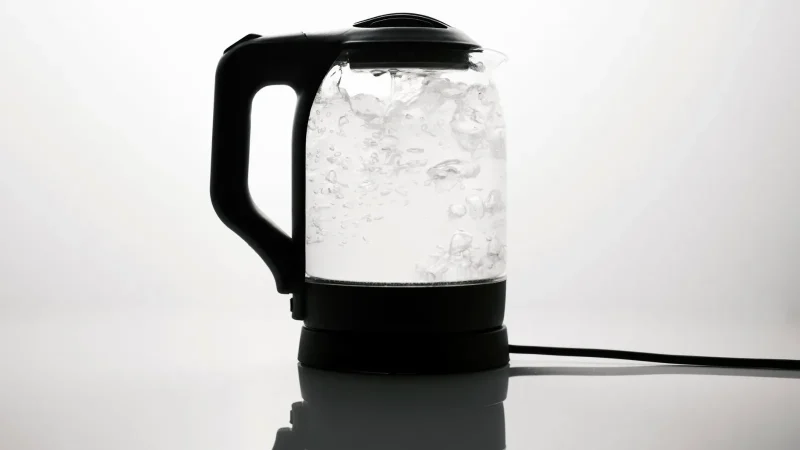
A 5 star geyser has thicker, better insulation, so it holds heat longer and the element switches on less often to reheat. A 3 star geyser of the same capacity loses heat faster, so it works harder to keep the water hot through the day.
That distinction matters because it explains where the savings come from. You can read how the scheme works on the official Bureau of Energy Efficiency site, which sets the standards behind every star label you see.

Where the Savings Really Come From
The energy a geyser uses splits into two parts. First is the heat that actually warms your bathing water, which is roughly the same whatever the star rating. Second is the standby loss, the heat that escapes while the tank waits, and this is where stars make the difference.
So if you switch the geyser on only for twenty minutes before a bath and off again, the standby loss is tiny and the star rating barely matters. If you leave it on for hours, the better insulation of a 5 star unit quietly saves units all day.
| Usage pattern | Standby loss impact | Better choice |
|---|---|---|
| On 20 minutes, then off | Very small | 3 star is fine |
| On 1 to 2 hours daily | Moderate | 4 or 5 star |
| Left on most of the day | Large | 5 star clearly |
Tip: The single biggest saving is not the star rating at all: it is switching the geyser off when you are not using it. A 3 star geyser used with discipline can beat a 5 star geyser left on all day. Stars help most for households that keep the heater running.
When 5 Star Is Worth the Extra Money
The 5 star geyser earns its higher price in specific homes. From what I see on service calls, these are the households that benefit most.
- Families of four or more who use hot water across the morning and evening.
- Homes that keep the geyser switched on for long stretches rather than briefly.
- Cold regions where the tank must fight a large gap between water and room temperature.
- Larger 25 litre tanks, where more stored water means more standby loss to control.
- Anyone planning to keep the geyser for eight to ten years, giving savings time to add up.
In these cases the extra insulation reheats less often, and over years of daily use the saved units repay the price gap comfortably, often within three to four seasons.
When 3 Star Makes More Sense
A 3 star geyser is not a poor choice. For the right home it is the more sensible spend, because you avoid paying for insulation you will barely use.
- One or two people who switch the geyser on briefly for each bath.
- Bucket-bath households, where the water is drawn off quickly and standby loss is minimal.
- Warmer parts of the country where inlet water is already mild for much of the year.
- Tenants who may leave the geyser behind and do not want to over-invest.
- Anyone on a tight budget who will use the heater with good on-off discipline.
A common mistake I see is a single person in a warm city paying a premium for a 5 star 25 litre geyser they switch on for ten minutes a day. The rating simply cannot save enough to justify the extra cost there.
Beyond Stars: What Else Affects Your Bill
The star rating is one lever, not the whole machine. Several other factors shape your running cost, and ignoring them is how people end up disappointed with a “5 star” purchase.
- Tank size: a right-sized geyser wastes less than an oversized one, whatever its rating.
- Thermostat setting: a lower temperature cuts both standby loss and running cost.
- Hard-water scale: heavy scale on the element forces longer heating and eats efficiency.
- Pipe insulation: uninsulated hot pipes waste heat before it reaches your tap.
- Usage habits: the on-off routine of the household outweighs a single star difference.
If you are also deciding on capacity and heater type, our notes on geyser capacity and the different types of water heaters pair naturally with this star decision.

A Simple Way to Work Out Your Payback
You do not need complex maths to judge whether the upgrade suits you. Here is the quick method I give people at the shop.
- Note the price gap between the 3 star and 5 star model, for example 2,200 rupees.
- Estimate how many hours a day your geyser actually stays switched on.
- If it is under an hour, lean towards 3 star; the standby saving is too small to matter.
- If it is one to three hours daily, a 5 star unit typically repays the gap in three to four years.
- If it runs most of the day in a large family, the 5 star pays back fastest and is the clear pick.
- Add the tank material and warranty into the decision, since a longer-lasting geyser spreads any saving over more years.
Warning: Do not treat five stars as a promise of quality. The rating only measures standby heat loss, not the tank, the element, or the warranty. I have seen highly rated geysers with thin tanks fail early in hard water, wiping out every rupee the rating saved. Judge build and warranty separately.
Frequently Asked Questions
Is a 5 star geyser worth the extra money?
It is worth it if you use hot water heavily or keep the geyser on for long stretches, because better insulation then saves enough units to repay the higher price in three to four years. For a light user who switches the geyser on briefly, a 3 star model is usually the smarter spend.
How much electricity does a 5 star geyser really save?
The saving comes only from reduced standby loss, so it depends on how long the tank sits hot. A heavy user leaving the geyser on for hours might save a meaningful number of units a month, while a quick on-off user saves very little. Your usage habit decides the real figure.
What does the BEE star rating on a geyser measure?
On storage geysers the star rating measures standing heat loss, meaning how much heat the tank leaks while holding hot water. More stars mean thicker insulation and less wasted heat. It does not rate the tank material, element, or safety, so treat those as separate points when you buy.
Does an instant geyser have a star rating?
Instant geysers heat water on demand and store almost none, so standby loss is barely relevant and they are not rated the same way as storage tanks. For an instant model, focus on wattage, flow rate, and safety features rather than looking for a star label that measures tank standing loss.
Can good habits beat a higher star rating?
Yes, easily. Switching the geyser off when it is not needed removes most standby loss, so a 3 star geyser used with discipline can consume less than a 5 star geyser left on all day. Habits and a right-sized tank often matter more than a single star step.
Making the Call for Your Home
The star rating question really comes down to one honest look at your own routine. Heavy, all-day users should reach for 5 star; light, quick users are well served by a solid 3 star and the money saved.
Match the rating to your habits, keep the geyser off when idle, and do not let stars distract you from tank quality. For more on choosing wisely, see our main water heater buying guide, or explore all our buying guides before you decide.