Key Takeaways
- “Leaving the geyser on all day is cheaper than reheating” is the most expensive myth going, a storage tank reheats every time it cools, whether you use the water or not.
- A higher thermostat setting does not give you “more” hot water; it just wastes units and speeds up scaling.
- Star ratings save money through lower standby loss, not by heating water hotter or faster.
- Instant geysers are not automatically cheaper to run; it depends entirely on how much hot water you actually use.
- Most efficiency myths sound sensible, which is exactly why they cost people money for years.
Few appliances attract as much confident folklore as the humble geyser. Everyone has a theory about the “trick” to a low bill, and most of those theories are wrong, some of them expensively so. In more than ten years of servicing water heaters, I’ve heard the same myths repeated in flats and bungalows alike, always with total conviction, always quietly padding the electricity bill. By the end of this article you’ll be able to separate the genuinely money-saving practices from the folklore that just feels thrifty. For the full, evidence-based approach, our complete guide to water heater efficiency lays out what actually works.
Myth 1: “Leaving it on all day saves power”
The fact: This is the costliest myth I encounter, and it’s dead wrong. The theory goes that reheating from cold uses more power than “topping up”, so you might as well leave it on. But a storage geyser doesn’t sit idle; it reheats every time the water cools below the thermostat, all day long, whether or not anyone uses a drop.
Heating a tank once, using it, and switching off uses far less energy than holding it hot for twelve hours. Switch on 15–30 minutes before your bath, switch off after. I’ve seen this single change shave a visible chunk off a bill.
Tip: If remembering to switch off is the problem, that’s a habit issue, not a reason to leave it on. A simple timer switch or just a firm household rule solves it, and the savings are real from the first month.
Myth 2: “Set it hotter to get more hot water”
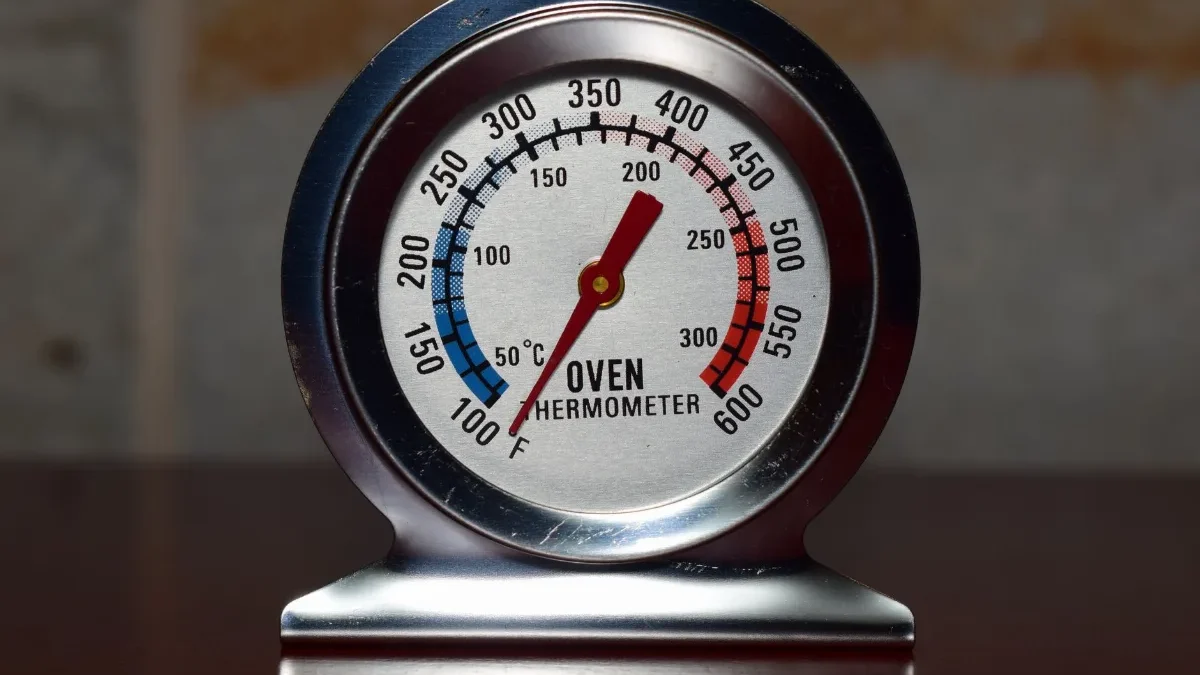
The fact: Turning the thermostat to maximum doesn’t give you more hot water, it gives you hotter water, which you then cool down with cold at the tap anyway. All you’ve done is waste the energy used to overheat it, and, in hard-water areas, speed up scaling on the element.
A tank set around 55–60 °C gives a comfortable bath, and if you need it to last longer you’re better off with a right-sized tank than a scalding one. Hotter isn’t “more”. It’s just costlier.
Myth 3: “A 5-star geyser heats water faster”
The fact: A BEE star rating measures standing heat loss, not heating speed or temperature. A 5-star geyser has thicker, better insulation, so it holds its heat longer and reheats less often. It saves you money through lower standby loss over the years, not by heating your water any hotter or faster.
So buy the good rating, absolutely, but for the right reason. The saving is real; it’s just slow and steady rather than dramatic. You can read how the rating system honestly works on the Bureau of Energy Efficiency site.
Myth 4: “Instant geysers are always cheaper to run”
The fact: An instant geyser saves standby loss because there’s no big tank sitting hot. That’s genuinely efficient for a quick handwash or a single mug bath. But an instant unit draws heavily while running, so for a long shower or a large family bath it can use as much or more than a well-insulated storage tank.
The honest answer is “it depends on your usage”. Light, quick, occasional use favours instant; sustained hot-water use often favours a right-sized storage geyser. Neither is automatically the cheaper choice.
| The myth | The reality |
|---|---|
| Leaving it on all day is cheaper | It reheats all day and wastes units |
| Hotter setting = more hot water | Just wastes energy and speeds scaling |
| 5-star heats faster | It only reduces standby heat loss |
| Instant is always cheaper | Depends entirely on how much you use |
| Descaling doesn’t affect the bill | Scale makes the element run longer |

Myth 5: “Descaling is only about longevity, not the bill”
The fact: People treat descaling purely as maintenance to make the geyser last, and it does help there. But scale on the element also directly raises your bill. A scaled element is insulated from the water it’s meant to heat, so it runs longer and hotter for the same warmth. That extra run time is wasted electricity, every single cycle.
I’ve measured heating times drop noticeably after clearing a badly scaled element. In hard-water India, descaling is an efficiency habit as much as a maintenance one, which is why it appears on our list of habits that waste your geyser’s energy.
Myth 6: “Bigger tanks are more efficient”
The fact: A bigger tank isn’t more efficient; it’s more water to keep hot. If you buy a large storage geyser for a small household, you pay to heat and hold litres you never touch, and lose that heat to standby loss on every bill.
Efficiency comes from matching the size to your real use, not from buying big “to be safe”. A right-sized tank heats what you need and wastes less holding it.
Myth 7: “Turning it up heats the water quicker”
The fact: The thermostat sets the target temperature; it does not change how fast the element heats. Setting it to maximum doesn’t speed anything up, it just makes the geyser keep going until the water is hotter than you need. The heating rate is fixed by the element’s wattage, not the dial.
If you want hot water sooner, switch the geyser on a little earlier. Cranking the thermostat only means it runs longer to reach a higher, wasteful temperature.
Myth 8: “Solar geysers work the same in every season”
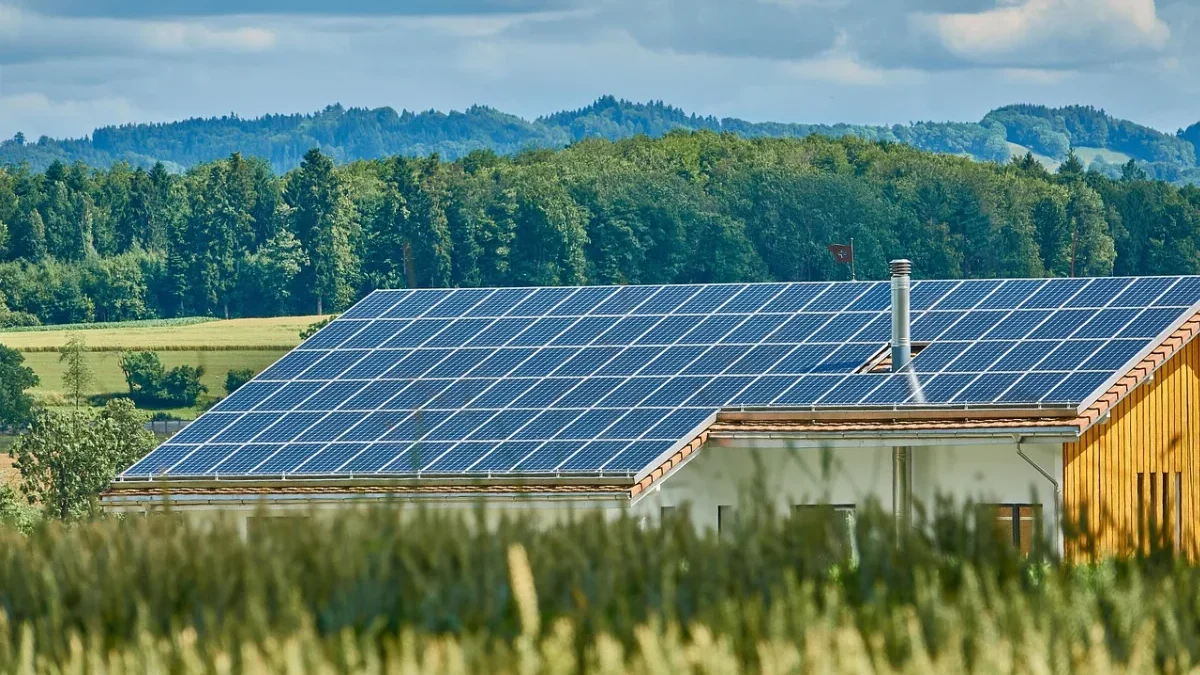
The fact: Solar water heaters are excellent and cheap to run when there’s good sunshine, but on cloudy monsoon days or foggy northern winters they can’t fully heat the water alone. That’s why almost every solar system has an electric backup element, and that backup uses grid power just like any geyser.
Solar saves a great deal over the year, but expecting free hot water in every season leads to disappointment, and to a surprise on the winter bill when the backup kicks in. Understand the seasonal pattern and it remains one of the best long-term investments in the right climate.
Why these myths cost you real money
Every myth here shares a trait: it sounds sensible. “Reheating uses more, so leave it on.” “Hotter means more.” “Bigger is safer.” That plausibility is precisely why they survive, and why they quietly cost families across the country every month.
The truths are simpler and cheaper to follow: heat on demand, keep the thermostat sensible, descale in hard water, and size the geyser to your use. If you still have questions after busting these myths, our water heater efficiency FAQ answers the common doubts people bring to me on service visits. For a neutral overview of the underlying science, the Wikipedia article on water heating is a useful, myth-free read.
Frequently Asked Questions
Is it cheaper to leave the geyser on all day?
No, this is the most expensive myth of all. A storage geyser reheats every time the water cools, all day, whether or not you use it. Heating the tank once before your bath and switching off after uses far less power than holding it hot for hours on end.
Does setting the thermostat higher give me more hot water?
No. A higher setting gives hotter water, which you then cool with cold at the tap anyway, wasting the extra energy and speeding up scaling. It doesn’t heat faster either, since the heating rate depends on the element’s wattage. Around 55 to 60 degrees Celsius is comfortable and efficient.
Are instant geysers always cheaper to run than storage ones?
Not always. Instant geysers avoid standby loss and suit quick, light use, but they draw heavily while running. For long showers or large family baths, a right-sized, well-insulated storage geyser can cost the same or less. The cheaper option depends entirely on how much hot water you use.
Does descaling actually reduce my electricity bill?
Yes. Scale coats the element and insulates it from the water, so it runs longer and hotter for the same warmth, wasting electricity every cycle. In hard-water areas, a periodic descale shortens heating times and lowers the bill, so it’s an efficiency habit, not just a longevity one.
Is a bigger geyser tank more energy efficient?
No. A bigger tank simply means more water to keep hot, so a large geyser in a small home wastes energy on standby loss holding litres you never use. Efficiency comes from matching the tank size to your actual hot-water demand, not from buying larger to be safe.
Final word
Efficiency isn’t about clever tricks; it’s about ignoring the folklore and doing the simple things right. Heat on demand, keep the temperature reasonable, descale in hard water, size sensibly, and understand what your geyser type actually costs to run. That’s the whole of it.
Ready to put the facts to work? Browse our full library of water heater efficiency guides, or go straight to the complete efficiency guide for a plan you can act on today. Drop the myths, keep the rupees.