
Key Takeaways
- If only the hot water is weak while cold runs fine, the problem is on the geyser side, not your whole supply.
- The most common causes are a scaled-up outlet, a clogged shower head or tap aerator, and a half-closed isolation valve.
- Cleaning the shower head and opening the valves fully are five-minute checks that fix a surprising number of cases.
- An overhead tank fitted too low gives weak gravity pressure, and a small pump or a raised tank is the real cure.
A strong cold tap and a hot tap that barely dribbles is one of the most frustrating things to live with. You turn the shower to hot and the spray goes limp, and it feels like the geyser has given up. More often than not, the geyser is fine and the flow is being choked somewhere between the tank and your hand.
Weak hot water pressure has a short list of causes, and most of them you can chase down yourself in an afternoon. I will take you through them in the order I check them on a house call, keeping the wider water heater repair guide close for the trickier faults.
First, Is It Only the Hot Water?
This is the question that saves the most time. Open the cold tap on its own and watch the flow, then open the hot tap and compare. If cold gushes and hot trickles, the trouble sits on the geyser side and you can ignore your main supply for now.
If both hot and cold are weak at the same tap, the pressure problem belongs to the whole bathroom, not the geyser. And if the weak flow is only at one tap while others are strong, you have found your answer already: that single tap or its shower head is blocked.
The Usual Suspects Behind Weak Hot Flow
Hot water has to pass through more restrictions than cold on its way to you, which is why it drops off first. These are the causes I run into most, roughly from easiest to hardest to fix.
| Symptom | Likely cause | Typical fix |
|---|---|---|
| One tap or shower weak, rest fine | Clogged shower head or tap aerator | Soak and clean the head |
| All hot taps weak, cold strong | Scaled geyser outlet or valve half shut | Open valves fully, descale |
| Hot flow sputters then fades | Air lock in the pipe | Bleed the line |
| Weak hot and cold everywhere | Low overhead tank or supply pressure | Raise the tank or fit a pump |
Notice how many of these cost nothing to try. Before anyone talks you into a new geyser, work down this table from the top.
Quick Checks You Can Do Today
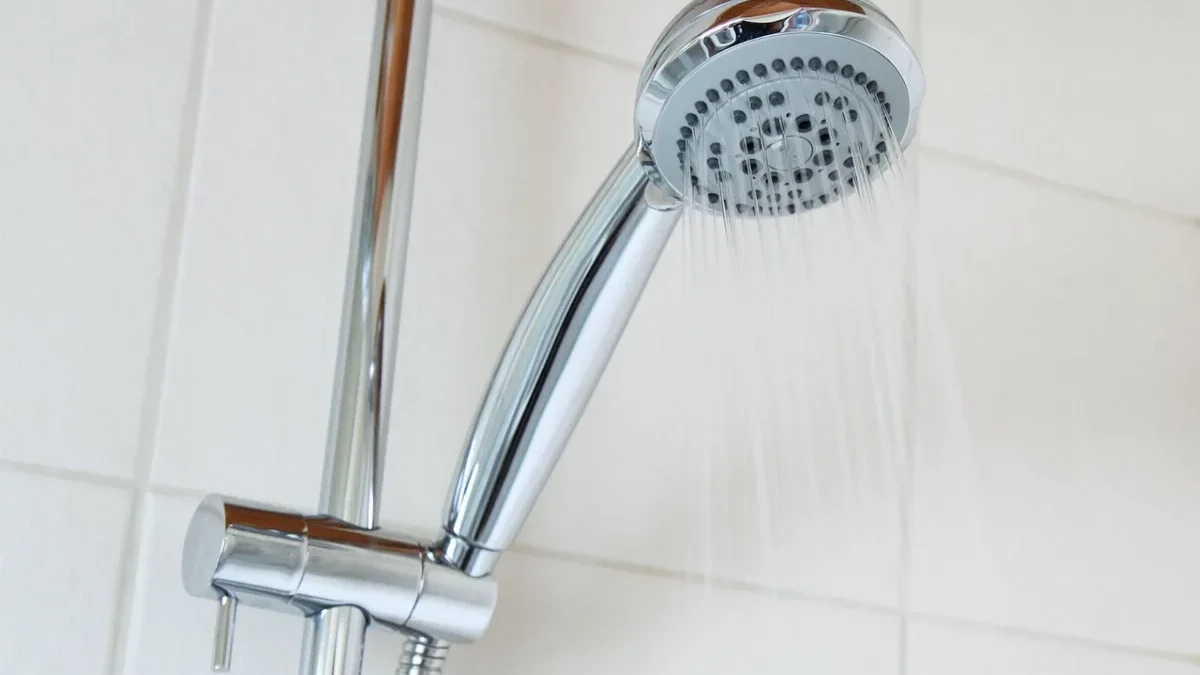
Start with the cheap and simple fixes. You will be surprised how often the answer is a shower head furred up with scale rather than anything wrong with the geyser at all.
- Unscrew the shower head or tap aerator and check for white chalky scale blocking the holes.
- Soak the head in a bowl of diluted vinegar for an hour, then scrub it clean and refit.
- Check the isolation valve under or beside the geyser is turned fully open, not half shut.
- Open a hot tap fully and let it run for a minute to clear any trapped air in the line.
- Compare the flow again. If it has improved, you have found and fixed the choke point.
Tip: Always try the shower head first. In hard water areas it clogs faster than any other part, and a one-hour vinegar soak costs nothing. I have restored full pressure for many families with this single step and no tools at all.
Scale and the Slow Squeeze
In much of India the water is hard, and hard water leaves scale. Over the years that scale narrows the geyser outlet and the pipes leading from it, quietly squeezing your hot flow month by month until one day it feels feeble.
Because it builds so slowly, most people never notice until the pressure is badly down. If your hot water has faded gradually rather than dropped overnight, scale is the prime suspect. You can read more about why hard water behaves this way on the hard water reference if you want the underlying chemistry.
The cure is a proper flush and descale of the tank and outlet. A geyser that has never been descaled in five years of hard water will almost always reward the effort with stronger, cleaner hot water.
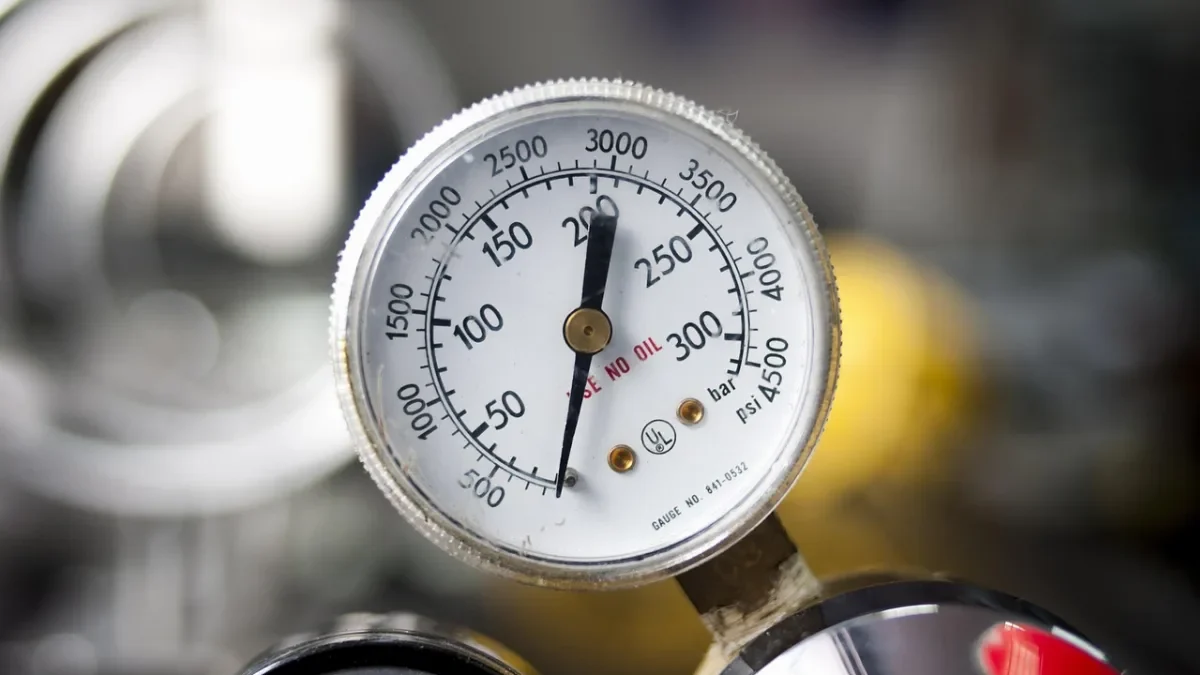
Overhead Tank Height and Gravity Feed
Most Indian storage geysers run on gravity from an overhead tank, and gravity is all about height. The higher the tank sits above the shower, the stronger the pressure. A tank barely above the ceiling gives weak flow no matter how healthy the geyser is.
If your hot and cold are both gentle across the whole flat, low tank height is often the honest reason. A ground floor bathroom fed by a tank only a metre or two higher will always feel soft. This is a plumbing layout issue, not a geyser fault.
The answer is either raising the tank on a taller stand or fitting a small pressure pump on the line. A pump is the usual choice in apartments where the tank simply cannot go any higher.
Instant Geysers and Minimum Pressure
Instant geysers add their own twist. Many need a minimum water pressure just to switch on, and some restrict the flow deliberately so the water has time to heat as it passes through. So a weak trickle from an instant unit can be the design, not a fault.
If your instant geyser barely flows and you are on a low gravity feed, a pump often makes the difference between a dribble and a proper wash. Where a unit has stopped flowing entirely, it may be a different problem, and the notes on a geyser that will not heat are worth a look alongside your pressure checks.
When a Pump or Plumber Is the Answer
Some cases are beyond a home fix. If you have cleaned the shower head, opened every valve, descaled the tank, and the hot flow is still weak across the whole home, you are almost certainly looking at a pressure or pipe problem that needs a professional.
- A pressure pump on the line lifts weak gravity feed to a comfortable flow.
- Old galvanised pipes narrowed by rust may need replacing with fresh PVC or CPVC.
- A hidden partial blockage in a buried pipe needs a plumber to trace and clear.
- A mismatched geyser and tank layout sometimes needs re-plumbing to balance the flow.
Before you call anyone, run through the general water heater troubleshooting steps so you can describe exactly what you have already tried. A clear account saves the plumber time and saves you money.
Frequently Asked Questions
Why is only my hot water pressure low?
Hot water passes through more restrictions than cold, so it feels the effect of scale and blockages first. Common causes are a scaled geyser outlet, a clogged shower head, or a half-closed valve. Because cold water bypasses the geyser, it stays strong while the hot side drops off.
How do I increase hot water pressure from my geyser?
Start cheap. Clean the shower head, open every valve fully, and descale the tank if your water is hard. If the flow is still weak everywhere, the real fix is usually a taller overhead tank or a small pressure pump on the line, since gravity feed depends on tank height.
Can hard water scale reduce my geyser pressure?
Yes, and it is one of the most common reasons. Scale slowly narrows the geyser outlet and the pipes over the years, squeezing the hot flow bit by bit. If your pressure has faded gradually rather than dropped suddenly, a proper flush and descale usually brings it back.
Will a pressure pump fix low hot water flow?
A pump helps when the cause is genuinely low pressure, such as a low overhead tank or a ground floor bathroom. It will not fix a blocked shower head or a scaled outlet, so clean and descale first. Once the choke points are clear, a pump lifts a weak gravity feed to a comfortable flow.
Why does my hot water sputter before it flows?
Sputtering that fades usually means an air lock in the pipe. Open the hot tap fully and let it run for a minute to push the trapped air out. If it keeps happening, air is being drawn in somewhere, and a plumber should check the tank connections and vent.
Getting Your Strong Shower Back
Weak hot water is rarely the geyser giving up. Confirm it is only the hot side, clean the shower head, open the valves, and descale if your water is hard. Only when all that fails should you think about tank height or a pump. Work top-down and most homes get their shower back for the price of a bottle of vinegar. For anything that runs deeper, lean on the repair guide or browse more fixes in the repairs section.