Key Takeaways
- Buying a water heater comes down to four decisions: type, capacity, tank quality for your water, and safety features. Get those right and brand matters far less.
- Match the litres to how you actually bathe, not to the size of your family on paper. An oversized geyser wastes power every single day.
- In hard-water India, a glass-lined tank, a decent anode rod and a higher BEE star rating are worth paying for. They quietly save you thousands over the unit’s life.
- Instant geysers suit a single tap and quick washes; storage geysers suit buckets and baths. Most homes need both, in different rooms.
- Always check for the ISI mark, a real warranty on the tank, and proper ELCB-friendly wiring at your point before you buy.
Walk into any electronics shop before winter and you’ll get pointed at whichever geyser has the fattest margin that week. I’ve fixed and replaced the results of that advice for over a decade, and the pattern is depressingly common: people buy on brand and colour, then live with a heater that’s too small, too thirsty, or already rusting because it was never built for their water. Buying well isn’t hard, but it does need you to ignore the sales patter and think about your own home. By the end of this guide you’ll know exactly how to pick the right type, the right size, and the right build quality, and which corners you must never cut. If you’re starting from scratch, it helps to first understand the different types of water heaters available in India.
Start With How Your Home Actually Uses Hot Water
Before you compare a single model, spend five minutes thinking about your usage. Nearly every bad geyser purchase I’ve seen came from skipping this step and buying to a number a salesperson quoted.
Ask yourself three plain questions. How many people bathe in the peak morning hour? Do you take bucket baths, or do you have a shower and a bathtub? And is the geyser for a bathroom, or just for a kitchen sink? A family of four taking back-to-back bucket baths has a very different need from two people who shower quickly.
The other big variable is your water. If you’re on a borewell or in a hard-water city, scale and corrosion will decide how long your geyser lasts far more than the brand name on the front. That single fact should shape which tank you buy, which is why I keep coming back to it through this guide.

Choosing the Right Type of Water Heater
The first real decision is the type. In Indian homes you’re realistically choosing between an instant geyser, an electric storage geyser, a gas geyser, or a solar system. Each has a job it does well and a job it does badly.
Instant (tankless) geysers
An instant geyser holds only three to six litres and heats water on demand as it flows. It’s perfect for a kitchen sink or a quick shower where you don’t need a big reserve. It’s small, cheap to buy, and wastes little standby heat. The catch is that it can’t fill a bucket of hot water quickly, so it frustrates anyone used to bucket baths.
Electric storage geysers
This is the wall-mounted tank most Indian bathrooms use. It heats a reserve of ten to twenty-five litres and keeps it warm, so you get a full bucket or a long shower on demand. It’s the most versatile choice and the one I fit most often. The trade-off is standby heat loss and a tank that needs looking after in hard water.
Gas geysers
Gas geysers (LPG or piped PNG) heat water fast and cost less to run where gas is cheaper than electricity. They’re popular in bigger families. But they demand proper ventilation. A gas geyser inside a closed bathroom carries a genuine carbon-monoxide risk, so it must be installed where combustion fumes can escape, never sealed up to keep the room warm.
Solar water heaters
A solar system costs the most upfront but the sun heats your water for free afterwards. It suits an independent house with unshaded roof space and reliable sunlight. For a top-floor flat with no roof access, it usually isn’t practical. Most solar setups keep an electric backup element for cloudy days.
| Type | Best for | Upfront cost | Running cost | Watch out for |
|---|---|---|---|---|
| Instant electric | Kitchen, single quick shower | Low | Low per use | Can’t fill buckets fast |
| Storage electric | Bathrooms, buckets and baths | Medium | Medium | Standby loss, tank scaling |
| Gas (LPG/PNG) | Large families, fast heating | Medium | Low–medium | Ventilation, CO risk |
| Solar | Independent homes, sunny roofs | High | Very low | Roof access, cloudy days |
For a full head-to-head on running costs and suitability, our comparison of electric, gas and solar water heaters goes deeper than the table above.
Instant vs Storage: The Decision Most People Get Wrong
Because instant and electric storage geysers are the two most common choices, it’s worth settling this one clearly. The mistake I see constantly is someone buying an instant geyser to save money, then hating it because they take bucket baths.
Instant heaters shine when hot water is needed in a thin, continuous stream, a quick shower, a hand wash, rinsing dishes. Storage geysers shine when you need a lump of hot water all at once, which is exactly what a bucket bath is. If your household fills buckets, buy storage; the maths almost always favours it.
Plenty of homes are happiest with both: an instant unit over the kitchen sink and a storage geyser in each bathroom. If you’re torn between the two for a bathroom, our detailed instant vs storage water heater comparison walks through the real-world trade-offs.
Getting the Capacity Right
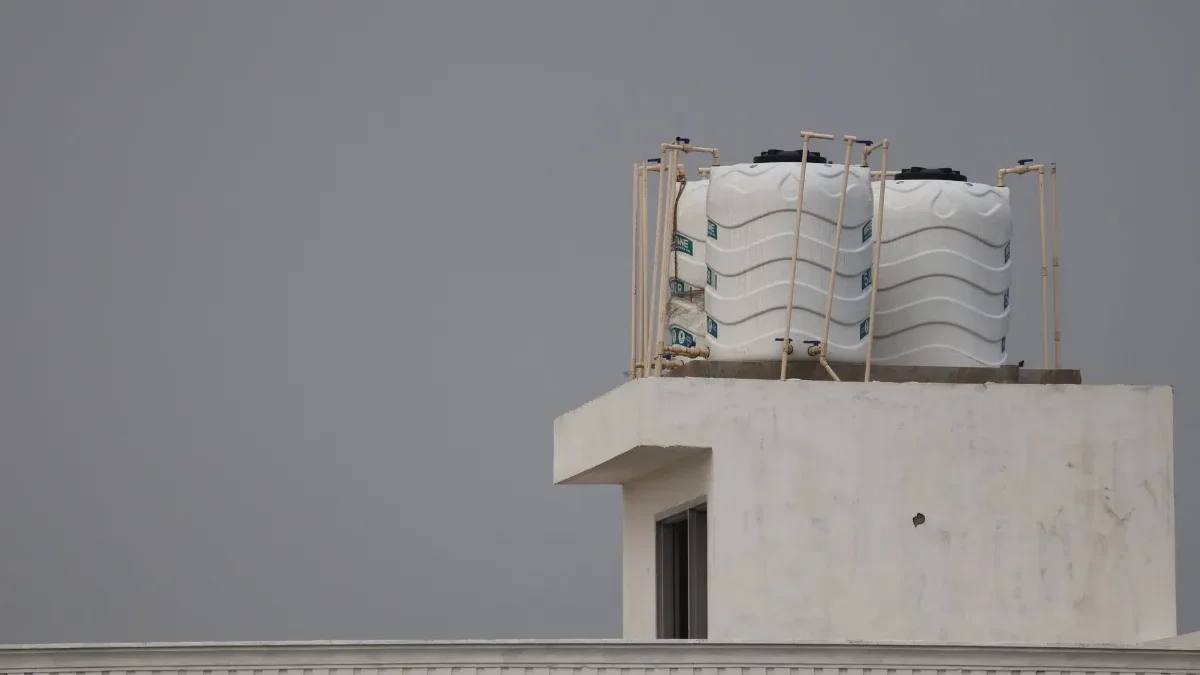
Capacity is where money is quietly won or lost. Too small and you run out of hot water mid-bath; too large and you pay to keep litres you never use warm all day. The sweet spot is snug, not generous.
As a rough starting point, a single bucket bath uses around fifteen to eighteen litres of hot water after you mix in cold, and a storage geyser gives you a bit more usable water than its rated litres because you blend it down. Here’s the ballpark I give homeowners.
| Household & use | Suggested storage capacity |
|---|---|
| 1–2 people, quick showers | 10–15 L |
| Small family, bucket baths | 15–25 L |
| 4+ people, back-to-back baths | 25 L, or two geysers |
| Kitchen sink only | 1–3 L instant |
| Shower with a mixer, no bucket | 6–10 L |
These are honest starting points, not rules. The real method is to count your peak-hour baths and work backwards. I’ve laid out the full calculation, including how draw-off and reheat time factor in, in our guide on how to choose the right geyser capacity.
Tip: When in doubt, size for your peak morning hour, not your daily total. The geyser reheats between baths, so you rarely need to store a whole day’s hot water at once. Buying one size smaller than the shop suggests usually saves power without leaving you cold.
Tank Quality and Hard Water
This is the section the shop won’t spend much time on, and it’s the one that decides whether your geyser lasts four years or twelve. In most of India, water quality is the single biggest factor in a geyser’s life.
Look for a glass-lined or otherwise corrosion-resistant inner tank. The lining sits between the hot water and the steel, slowing the rust that hard, oxygen-rich water causes. A bare or poorly coated tank in hard water is a leak waiting to happen, and a leaking tank cannot be repaired, only replaced.
Check that the geyser has a sacrificial anode rod, and ask how easy it is to replace. The anode corrodes in place of your tank, buying it years of extra life, but only if it’s checked and swapped when spent. On hard water, a good anode is not optional.
If you know your water is hard, don’t just buy any storage geyser. Our guide on picking a geyser for hard water covers the specific tank linings, element types and habits that hold up best when the water is fighting you.
Efficiency and the BEE Star Rating
Every storage geyser sold in India carries a BEE star rating on that familiar label. More stars mean better insulation and less standby heat loss, which translates directly into a lower electricity bill for the same hot water.
The higher-rated units cost a little more upfront, but a geyser runs daily for years, so the running cost dwarfs the purchase price over its life. On a unit you’ll use every morning, paying for an extra star or two is usually money well spent. You can read the official detail on the programme at the Bureau of Energy Efficiency.
Thicker PUF insulation is the physical thing those stars represent. It keeps the stored water warm longer, so the element switches on less often. If two geysers are otherwise similar, the better-insulated, higher-star one is almost always the smarter buy.
Safety Features You Should Insist On
A water heater is a tank of hot water wired to the mains, sitting in a wet room. Safety features aren’t a luxury here; they’re the difference between a minor fault and a serious accident. I check for these on every install.
- ISI mark. Buy only an ISI-marked unit that meets the relevant BIS standard. It’s your baseline assurance the basics were built right.
- Pressure relief valve. Every storage geyser needs a working safety valve to release excess pressure. Confirm it’s fitted and accessible.
- Thermostat with a cut-out. A good thermostat plus a separate thermal cut-out stops the water overheating if the main control sticks.
- Proper earthing and an ELCB/RCCB. The geyser must be earthed, and your point should be protected by an ELCB or RCCB that trips on earth leakage. This is what protects you from a shock.
Warning: A geyser is only as safe as the point it’s wired to. Before you buy, confirm your bathroom has proper earthing and a dedicated, ELCB-protected circuit. Fitting a good geyser to unearthed, unprotected wiring is dangerous. If you’re unsure, have a licensed electrician check the point first.
Warranty, Service and Total Cost
Two geysers at the same price can cost very differently over five years. The purchase price is only the start; warranty terms, running cost and service availability decide the real number.
Read the warranty carefully. What matters most is the tank warranty, because the tank is the part you can’t fix. A longer tank warranty usually signals the maker trusts their lining. Note the separate, shorter warranties on the element and any electronics, and check whether hard-water damage voids anything.
Also think about service reach. A slightly less famous brand with a service technician in your town beats a premium brand whose nearest service centre is three cities away. When your geyser fails on a cold morning, fast local service is worth a great deal.
A worked example
To make total cost concrete: I once compared two 15-litre geysers for a family in a hard-water locality. The cheaper one saved them roughly a couple of thousand rupees upfront but had a lower star rating and a basic tank. The pricier one was glass-lined, higher-rated and better insulated.
Within three years the cheap unit’s tank had corroded to a leak and needed replacing, while the better one was still running fine and using visibly less power each month. The “saving” on the cheaper geyser vanished the moment they had to buy a second one. That’s the trap of judging a geyser by its sticker price alone.
Putting It All Together: A Simple Buying Sequence
When it’s time to actually decide, work through it in this order. Following a sequence stops you being talked into the wrong unit at the counter.
- Decide the type: instant for a sink or quick shower, storage for buckets and baths, gas or solar if they suit your home.
- Fix the capacity from your peak-hour usage, then lean one size smaller rather than larger.
- Insist on a corrosion-resistant, ideally glass-lined tank and a replaceable anode rod, especially on hard water.
- Compare BEE star ratings and buy the highest you can reasonably afford for a unit you’ll run daily.
- Confirm the safety essentials: ISI mark, pressure relief valve, thermostat cut-out and ELCB-friendly wiring at your point.
- Read the tank warranty and check local service availability before you pay.
If you’d like this as a printable comparison sheet to carry to the shop, our geyser buying checklist lays out exactly what to compare, model against model. And to avoid the common traps, it’s worth skimming the mistakes people make when buying a geyser before you commit.
Frequently Asked Questions
Which type of water heater is best for an Indian home?
For most bathrooms, an electric storage geyser is the safest all-rounder because it handles bucket baths well. Use an instant geyser for kitchen sinks or quick showers, gas for large families with good ventilation, and solar if you own a sunny, unshaded roof.
What size geyser do I need for a family of four?
A 25-litre storage geyser suits most families of four taking bucket baths, though usage matters more than headcount. If everyone bathes in the same peak hour, consider two geysers or a slightly larger tank. Size to your busiest hour, not your daily total.
Is a glass-lined geyser worth the extra cost?
In hard-water areas, yes, clearly. The glass lining slows corrosion of the steel tank, which is the part you cannot repair. The small extra you pay upfront is easily recovered by avoiding an early tank replacement, often within a few years of daily use.
Do BEE star ratings really save money?
Yes. More stars mean better insulation and less standby heat loss, so the element runs less often for the same hot water. Because a geyser is used daily for years, the running-cost savings from a higher-star unit usually outweigh its slightly higher purchase price.
Should I buy a bigger geyser to be safe?
Usually not. An oversized geyser keeps extra litres warm all day that you never use, wasting power every morning. Size it to your peak-hour need and let it reheat between baths. Buying one size too big is a common and costly mistake in Indian homes.
Buy Once, Buy Right
A water heater is a ten-year purchase you use every single day, so it deserves more thought than the shop counter allows. Get the type and size to match how your household actually bathes, insist on a tank built for your water and the safety devices to protect you, and weigh running cost alongside the sticker price. Do that and you’ll buy once and forget about it for years. When you’re ready to dig into a specific decision, browse the rest of our water heater buying guides, and for the underlying principles, the overview of water heating on Wikipedia is a useful primer.