Key Takeaways
- Electric is the default for most Indian flats, cheap to buy, easy to fit, safe when earthed and protected, but costs more to run on grid power.
- Gas (LPG/PNG) heats water fast and cheaply if you have a piped-gas line, but demands proper ventilation because a gas geyser in a closed bathroom is a serious carbon-monoxide risk.
- Solar costs the most upfront and needs roof space and sun, yet slashes running cost to near zero on sunny days, best for independent houses with high daily use.
- There is no single winner. The right choice depends on your fuel access, roof space, budget, and how much hot water your home draws every day.
“Which geyser is cheapest, sir, electric, gas or solar?” I hear that question on almost every site visit, and the honest answer is: it depends on your home, not on the badge. Over a decade of fittings I have installed all three across apartments, independent houses and terraces, and each has quietly saved or cost families money depending on how well it matched the house. By the end of this piece you will know which fuel suits your budget, your building, and your daily hot-water habit, and, just as important, where each one can bite you if you get the setup wrong.
This comparison sits inside our broader guide to buying a water heater. If you have not settled on capacity or type yet, skim that first, then use this piece to lock in the energy source.
The three options in plain terms
Before comparing, let us be clear about what each one is and how it heats your water.
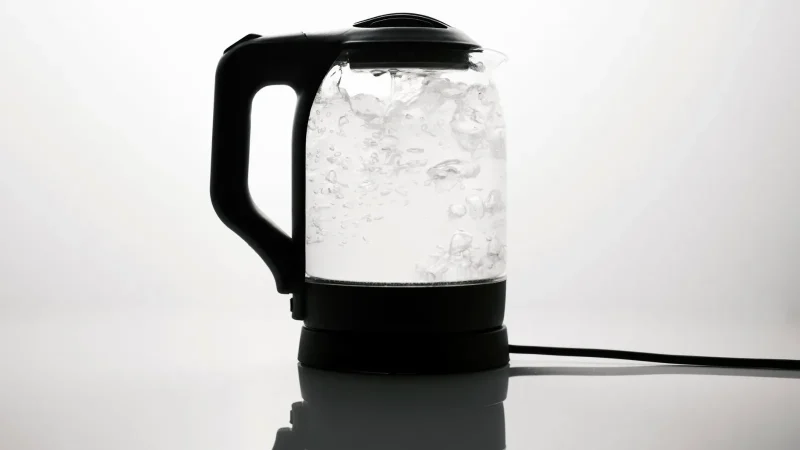
- Electric geyser: an element inside the tank (or an instant unit) heats water using grid electricity. Runs off a dedicated 16A point with an MCB and an ELCB/RCCB. The most common home geyser in India.
- Gas geyser: burns LPG (cylinder) or PNG (piped city gas) to heat water as it flows through. No electricity needed to heat, very fast, but produces flue gases that must be vented safely.
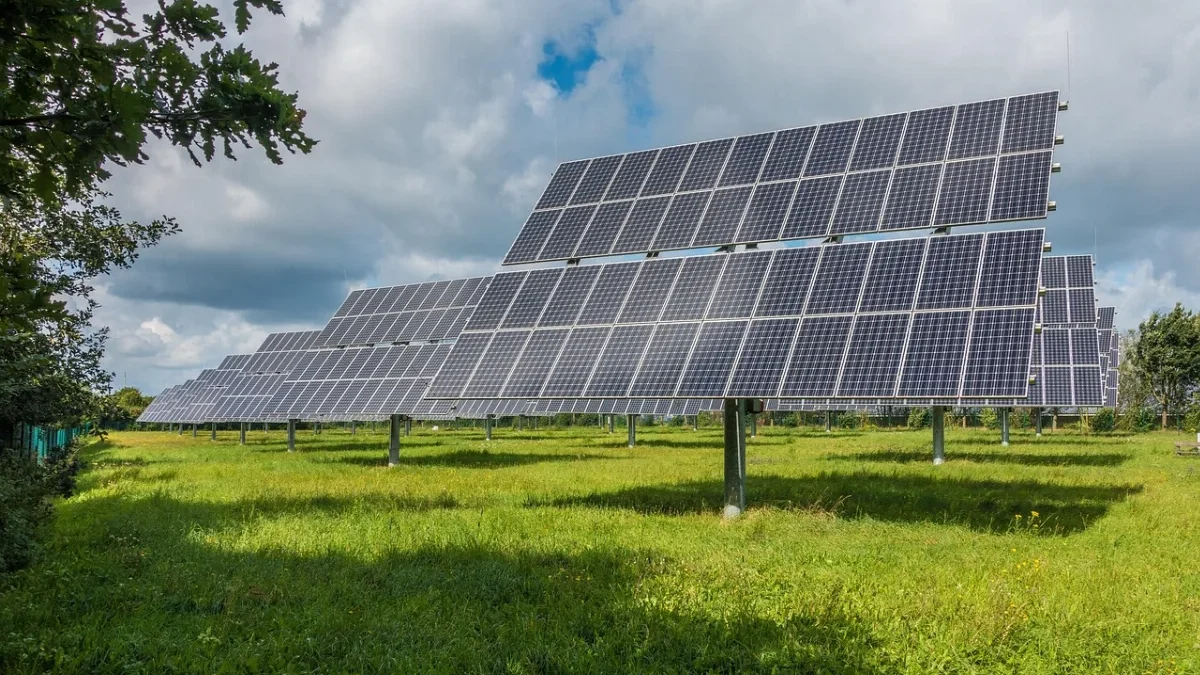
- Solar water heater: roof-mounted collectors warm water using sunlight, stored in an insulated tank. Most systems keep an electric backup element for cloudy days.

Electric water heaters: the easy default
For the average Indian flat, electric is what I fit most often, and for good reason.
It is the cheapest to buy, the simplest to install, and needs nothing more exotic than a proper earthed 16A point with an MCB and ELCB. A decent glass-lined tank with a good BEE star rating gives years of quiet service. There is no flame, no flue, and no gas cylinder to manage, which is why it dominates urban apartments where gas piping and roof access are limited.
The catch is running cost. Grid electricity is not the cheapest way to heat water, so a heavy-use family on an electric geyser will see it on the bill through winter. Good habits, a timer, a sensible thermostat setting, switching off after the bath, keep it in check, but electric will rarely be the cheapest to run.
Warning: An electric geyser is only as safe as its earthing and leakage protection. Never run one without a working ELCB/RCCB and a solid earth connection. If you are unsure, have a licensed electrician verify the point before first use, a live tank in a wet bathroom is not something to gamble on.
Gas water heaters: fast and cheap, if vented right
Gas geysers are popular in homes with a piped-gas (PNG) connection or steady LPG supply, and where the running cost of electric feels steep.
Their big draw is speed and cost per bath. Gas heats water almost instantly as it flows, so there is no waiting for a tank, and the fuel often works out cheaper per litre of hot water than grid electricity, especially with piped gas. For a family that bathes a lot, that adds up.
But gas comes with a non-negotiable condition: ventilation. Burning gas produces carbon monoxide, an odourless gas that can be deadly in a closed room. I have seen too many gas geysers installed inside small, sealed bathrooms, a genuine danger.
Warning: Never install a gas geyser inside a closed bathroom. It belongs in a well-ventilated space, a balcony, a utility area, or a spot with a proper flue to the outside. A gas geyser in a sealed bathroom is a carbon-monoxide risk that has cost lives. When in doubt, keep it outside the bath and pipe the hot water in.

Solar water heaters: highest cost, lowest running bill
Solar is the long game. It asks the most of you upfront and rewards you slowly, but in the right home the payback is real.
The system costs the most to buy and needs unshaded roof space plus decent sun, which rules out most middle-floor flats but suits independent houses well. On a sunny day, running cost is essentially nil, since the sun does the heating. Over years of high daily use, those free heating days recover the upfront spend.
The honest downsides: cloudy days and winter mornings often need the electric backup element, so it is not “free” year-round; the collectors need occasional cleaning; and hard water can scale up the tubes over time. It is a commitment, not a plug-and-play purchase, but for a large family in a house with good roof access, it is often the smartest money over a decade.
Electric vs gas vs solar: side by side
Here is how the three compare on what actually decides the purchase. Costs are typical, approximate ranges and vary widely by capacity, brand and city.
| Factor | Electric | Gas (LPG/PNG) | Solar |
|---|---|---|---|
| Upfront cost (approx.) | ~₹6,000, ₹15,000 | ~₹5,000, ₹12,000 | ~₹18,000, ₹40,000+ |
| Running cost | Higher (grid power) | Lower with piped gas | Lowest on sunny days |
| Installation | Simple, 16A point | Needs gas line + venting | Needs roof + plumbing |
| Speed of hot water | Wait for tank | Almost instant | Ready if sunny; else backup |
| Best home | Flats, most homes | Homes with PNG/LPG | Houses with sunny roof |
| Key risk | Earthing/leakage | Carbon monoxide if unvented | Cloudy days, scaling |
No column is the winner in every row, which is exactly the point. The best choice is the one whose strengths line up with your home and whose risks you can genuinely manage.
How to actually decide
Run your home through these questions in order, and the answer usually reveals itself.
- Do you have piped gas (PNG) or reliable LPG, plus a ventilated spot? If yes and you bathe a lot, gas is worth serious thought for its low running cost.
- Do you own an independent house with a sunny, accessible roof and high daily hot-water use? If yes, solar’s upfront cost pays back over the years.
- Are you in a flat, on a budget, or want the simplest safe fit? Electric is the sensible default, just insist on proper earthing and an ELCB.
- Still torn? For most urban homes, electric wins on simplicity and safety; add a timer and good habits to tame the bill.
Whichever you lean towards, run it through the practical filters in our list of six things to check before you buy a geyser, warranty, tank material, star rating and after-sales matter across all three fuels.
A quick example from a recent job
Two homes, same week, opposite answers. The first was a family of five in an independent house with a flat, sunny terrace and big morning hot-water demand, I fitted a solar system with an electric backup, and their winter bills dropped noticeably once the sunny days did the work. The second was a couple in a third-floor flat with no roof access and a small bathroom; solar made no sense and gas had nowhere safe to vent, so a 15L electric geyser on a properly earthed ELCB-protected point was clearly right. Same trade, same fitter, the house decided the fuel, not my preference.
Frequently Asked Questions
Which is best, electric, gas or solar water heater?
There is no single best. Electric suits flats and simple, safe installs. Gas suits homes with piped gas and good ventilation, giving low running cost. Solar suits independent houses with sunny roofs and high daily use. Match the fuel to your building, budget and hot-water habit rather than chasing one label.
Is a gas geyser cheaper to run than electric?
Often yes, especially with piped city gas (PNG), because gas frequently costs less per litre of hot water than grid electricity. But you must have a gas line and, crucially, safe ventilation. A gas geyser in a closed bathroom is a carbon-monoxide danger, so the saving only counts if the setup is safe.
Is a solar water heater worth it in India?
For an independent house with a sunny, unshaded roof and high daily hot-water use, yes, running cost falls to near zero on sunny days and the upfront spend pays back over years. For a middle-floor flat with no roof access or low usage, the high initial cost rarely justifies it.
Can I use a gas geyser inside the bathroom?
No, never in a closed bathroom. Burning gas releases carbon monoxide, which is odourless and can be fatal in a sealed room. Install a gas geyser in a well-ventilated space such as a balcony or utility area, or use a proper flue to vent gases outside and pipe the hot water in.
Which water heater is safest?
A properly earthed electric geyser with a working ELCB/RCCB is very safe and the easiest to keep safe, which is why it suits flats. Gas is safe only with correct ventilation. Solar is low-risk day to day. Safety depends far more on correct installation than on the fuel you choose.
The bottom line
Electric, gas and solar each win in the right home. Electric is the safe, simple default for flats; gas rewards homes with piped gas and proper ventilation; solar pays back in sunny houses with heavy use. Start from your fuel access, roof space and budget, and the choice narrows quickly. If you are also deciding between a tankful and on-demand heating, our comparison of instant versus storage water heaters pairs neatly with this one, and the full set of geyser buying guides covers the rest. For a neutral primer on how each method works, this water heating overview is a solid read, and the Bureau of Energy Efficiency explains what the star rating on your geyser actually means.