
Key Takeaways
- Before comparing models, check your own home first: water hardness, wall strength, available space, and the electrical point.
- Confirm the geyser type suits how your family bathes, then size the capacity to your peak hour, not your headcount.
- Read the warranty carefully, tank, element and parts are often covered for different periods, and the fine print matters.
- Check for the ISI mark and a sensible BEE star rating, and confirm easy availability of service and spare parts in your city.
- A little homework before you pay prevents the two most common regrets: a geyser that doesn’t fit and one that costs a fortune to run.
Most geyser regrets I’m called out to fix started at the shop, not the wall. Someone bought on price or looks, then discovered the bracket wouldn’t hold the tank, the point was on the wrong side, or the water was so hard the element scaled up by the second winter. The good news is that a handful of checks, done before you pay, prevent nearly all of it. By the end of this list you’ll know exactly what to verify about your home and the product so you buy once and buy right. If you’re just beginning, start with our complete guide to buying a water heater for the full picture.
1. Check Your Water Quality First
Before you look at a single model, find out how hard your water is. It’s the factor that quietly decides which geyser will survive in your home, and most buyers skip it entirely.
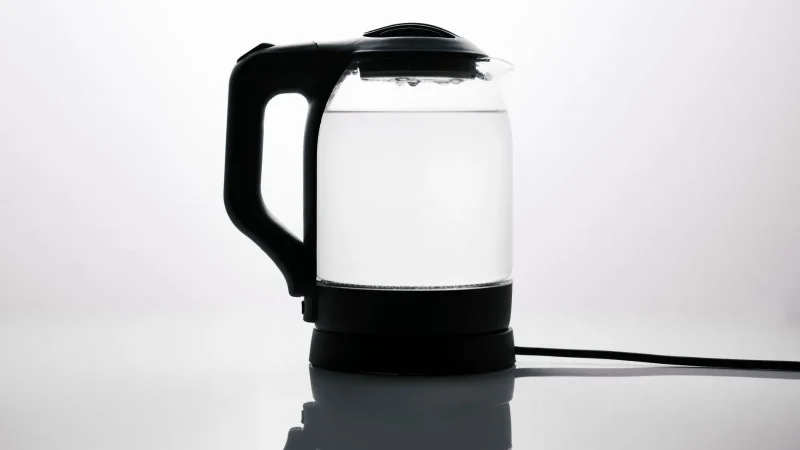
Tell-tale signs of hard water are white crust on taps, quick scaling in the kettle, and soap that won’t lather well. If that’s your home, you’ll want a glass-lined tank and a scale-resistant element as non-negotiables.
Hard water changes the whole shortlist, so it’s worth reading our dedicated guide on picking a geyser for hard water before you commit to anything.
2. Confirm the Right Type and Capacity
The single biggest choice is type: instant or storage, electric, gas or solar. Get this right and everything else falls into place; get it wrong and no feature will make you happy.
If your household takes bucket baths, a storage geyser is usually the answer. For a kitchen sink or a quick shower, an instant unit is smaller and cheaper. Weigh the running costs and habits with our comparison of electric, gas and solar water heaters.
Once the type is settled, size it to your peak hour, the busiest bathing window, not simply the number of people in the house. An oversized tank wastes power keeping water warm that nobody uses.
Tip: Before the shop trip, count how many baths happen in your busiest hour. Two people bathing back-to-back need a very different capacity from four spread across the morning. Sizing to that peak, rather than headcount, is the easiest way to avoid both cold showers and wasted electricity.
3. Measure the Space and Check the Wall
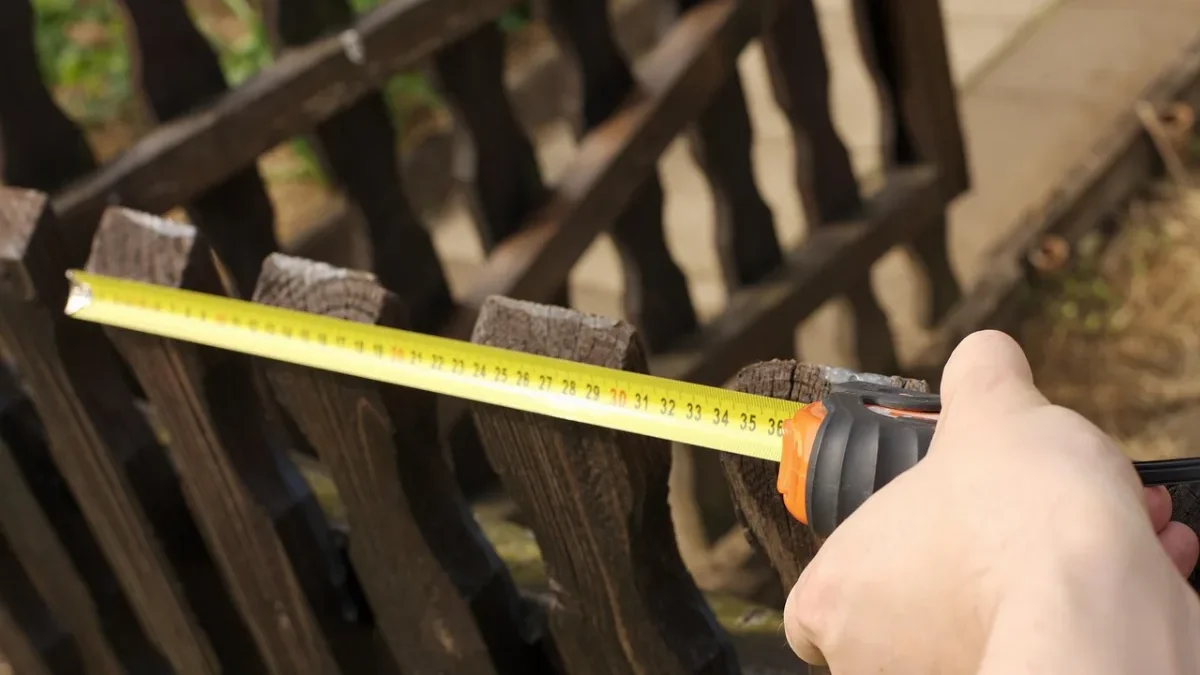
This is the check people forget until the fitter arrives with a geyser that won’t fit. Take five minutes with a measuring tape before you buy.
- Space: Confirm the geyser’s height and width leave clearance above and around it for the pipes, valve and future servicing.
- Wall strength: A filled storage geyser is heavy. A solid brick or concrete wall holds it safely; a hollow partition or thin drywall may not without special fixings.
- Orientation: Check whether a vertical or horizontal model suits the spot, and which side the inlet and outlet need to be.
If the wall is questionable, don’t gamble, a heavy tank pulling loose is dangerous. A licensed plumber can advise on the right bracket and fixings for your wall type.
4. Verify the Electrical (or Gas) Point
A geyser is only usable if the supply is ready for it. For an electric storage unit, that means a dedicated point of the right rating, proper earthing, and protection on the circuit.
Check that you have a dedicated 16A point close enough to the geyser, with proper earthing and an ELCB/RCCB on that circuit. Running a high-wattage geyser off a shared or under-rated point is a fire and shock risk.
Warning: For a gas geyser, the point to check is ventilation, not wiring. A gas geyser must never go in a closed, unventilated bathroom, its exhaust contains carbon monoxide, which is odourless and can be fatal. Confirm there’s a safe outdoor location or a proper flue and cross-ventilation before you buy one.
5. Read the Warranty and Certification
The warranty tells you how much the maker trusts its own build, and the certification tells you it meets safety standards. Both are worth a careful minute at the counter.
Warranties are usually split: the tank often carries the longest cover, the heating element and other parts less. Read what’s actually included, what voids it (hard water damage is sometimes excluded), and whether service is free within the period.
Also confirm the geyser carries the ISI mark, showing it meets the relevant Indian safety standard, and note its BEE star rating. You can read what the label represents on the Bureau of Energy Efficiency website.
6. Confirm Service and Spare-Part Availability
Every geyser needs service eventually, an element, a thermostat, a descale. The best time to think about that is before you buy, not when you’re standing under a cold shower.
Check that the brand has service reach in your city and that common spares, elements, thermostats, valves, are readily available. A slightly less glamorous brand with easy local service often beats an imported one whose parts take weeks to arrive.
Your Pre-Purchase Checklist at a Glance
Here are all six checks in one place, so you can run through them before you pay.
| Check | What to confirm | Why it matters |
|---|---|---|
| Water quality | How hard your supply is | Decides tank and element you need |
| Type & capacity | Storage vs instant; peak-hour litres | Comfort and running cost |
| Space & wall | Dimensions, wall strength, orientation | Safe, secure mounting |
| Supply point | 16A point, earthing, ELCB, or gas ventilation | Safety and usability |
| Warranty & certification | Tank vs parts cover, ISI mark, star rating | Protection and safety proof |
| Service & spares | Local service, spare availability | Cheap, quick future repairs |
Bring It All Together Before You Pay
None of these checks takes long, but together they catch nearly every expensive mistake I see. The pattern is always the same: the buyers who spent twenty minutes on homework are still happy years later, while the ones who bought on impulse are the ones calling me.
Once you’ve cleared these six, turn your attention to the build quality itself. Our round-up of the features to look for in a good geyser shows you what separates a lasting unit from a showroom-pretty one.
Set a Realistic Budget for the Whole Job
One check people forget is that the sticker price isn’t the full cost. The geyser is only part of it; fitting, wiring and fittings add up too, and budgeting for the whole job prevents an unpleasant surprise on installation day.
A decent storage geyser sits across a wide band depending on capacity, build and brand, but remember to add the fitting on top. In most cities, professional fitting typically runs somewhere around ₹500 to ₹1,500 for a straightforward job, more if new wiring, a bracket or extra plumbing is needed. Treat these as rough, illustrative ranges, your local rates will vary.
My honest advice: don’t stretch to the fanciest model and then skimp on the fitting or the safety fittings. A mid-range geyser installed properly, with good earthing and an ELCB, is a far better buy than a premium unit wired carelessly. Spend where it protects you.
Frequently Asked Questions
What should I check before buying a geyser?
Check your water hardness, the right type and capacity for your baths, the mounting space and wall strength, the electrical point and earthing (or ventilation for gas), the warranty and ISI certification, and local service and spare availability. Clearing these six prevents most buying regrets.
How do I know what size geyser to buy?
Size to your peak-hour use, not your family size. Count how many baths happen in your busiest window. Two back-to-back bucket baths need a smaller tank than four spread through the morning. Matching the litres to that peak avoids both cold showers and wasted standby power.
Does the geyser warranty cover everything?
Usually not equally. The tank often carries the longest warranty, while the heating element and other parts are covered for shorter periods. Some warranties also exclude damage from hard water. Read the fine print so you know exactly what’s covered and what could void it.
Do I need a special electrical point for a geyser?
For an electric storage geyser, yes, a dedicated 16A point with proper earthing and an ELCB/RCCB on the circuit. Running a high-wattage geyser off a shared or under-rated socket is a genuine fire and shock hazard. Have a licensed electrician confirm the point before you buy.
Is the ISI mark important on a geyser?
Yes. The ISI mark shows the geyser has been made to the relevant Indian safety standard, which matters a great deal for an appliance combining electricity and hot pressurised water. Avoid uncertified units, however cheap, since the safety of the build isn’t independently verified.
Check First, Buy Once
A geyser is a ten-year decision, so twenty minutes of checking is time well spent. Look at your own home before you look at models, match the type and size to how you actually bathe, and confirm the safety, warranty and service before you hand over the money. Do that and you’ll skip the regrets I’m so often called to fix. For your next step, browse the rest of our water heater buying guides, and for a plain-English look at how these appliances work, the Wikipedia overview of water heating is a good starting point.