Key Takeaways
- Gas and electric geysers carry different core risks: gas geysers can produce carbon monoxide (CO), while electric geysers carry a shock hazard.
- The single most dangerous mistake I see is a gas geyser installed inside a closed bathroom with no ventilation, that’s a genuine CO poisoning risk.
- An electric geyser’s risk is largely controllable with good earthing, an ELCB/RCCB and a dedicated point; the danger drops sharply when these are correct.
- Well-installed and well-maintained, both types can be run safely, but a gas geyser demands ventilation discipline that an electric one does not.
- For most Indian bathrooms without an outside wall for a flue, a properly protected electric geyser is the simpler safe choice.
“Which is safer, gas or electric?” is one of the most common questions I get, usually from someone about to buy, and the honest answer is: it depends far more on the installation than on the fuel. I’ve seen beautifully safe gas geysers and frighteningly unsafe electric ones, and the reverse. But the two do carry fundamentally different dangers, and understanding those dangers is what lets you make a genuinely safe choice for your home. By the end of this comparison you’ll know the specific risk of each type, how each one is controlled, and which tends to be the safer bet for a typical Indian bathroom. For the full safety picture, keep our complete guide to water heater safety nearby.
The two risks are not the same kind of risk
Before comparing, it’s worth being clear that we’re not weighing the same hazard on both sides. An electric geyser’s headline risk is electric shock. A gas geyser’s headline risk is carbon monoxide, an invisible, odourless gas produced when the flame doesn’t get enough air.
That distinction matters because the two failure modes feel very different. A shock hazard usually gives some warning, a tingle, a tripping breaker, a repair you can see coming. CO gives almost none. You can’t smell it, you can’t see it, and by the time you feel drowsy it may already be dangerous. That’s why I treat gas geyser safety with a particular seriousness.
Gas geyser safety: the carbon monoxide problem
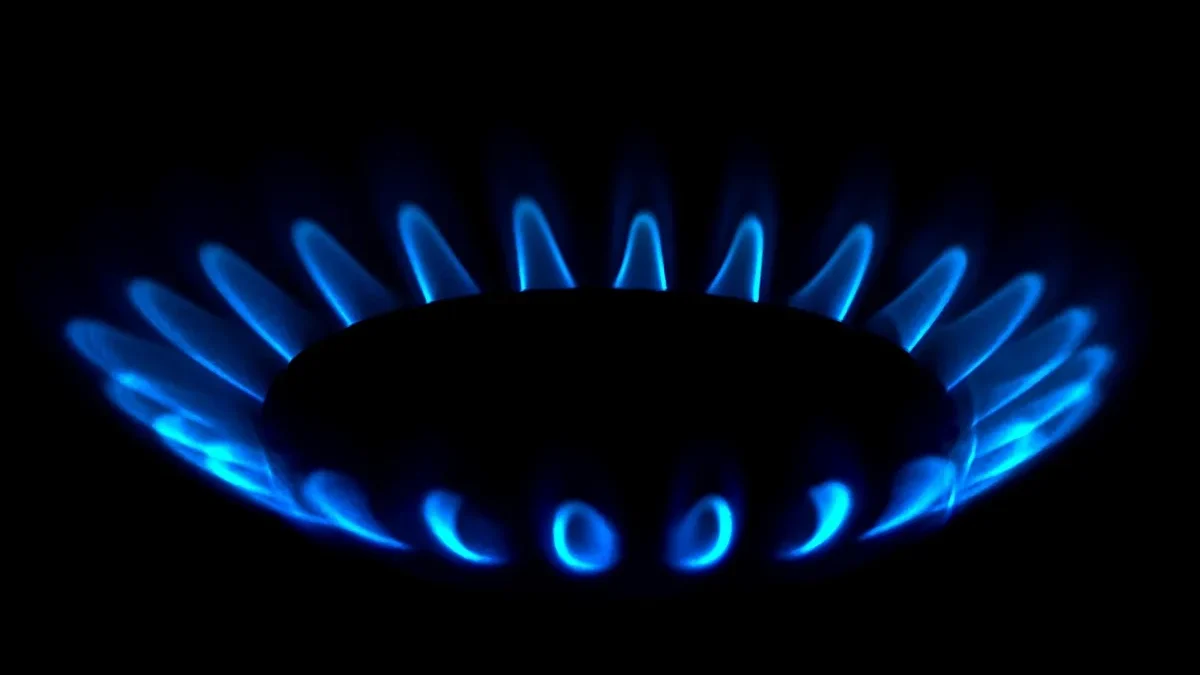
A gas geyser (LPG or PNG) burns fuel to heat water on demand. Burning needs oxygen, and it produces exhaust gases, including carbon monoxide if combustion is incomplete. In a well-ventilated space, that exhaust clears harmlessly. In a small, closed bathroom, it can build up to dangerous levels.
This is the crux of the whole gas-versus-electric safety debate. The single most dangerous setup I encounter is a gas geyser mounted inside a compact, sealed bathroom with the door and window shut, exactly how many people bathe in winter, for warmth. That combination has caused real tragedies, and it is entirely preventable.
Warning: Never run a gas geyser in a closed bathroom without ventilation. Ideally the geyser should be mounted outside the bathroom or in a well-ventilated area with a flue to the outside. If you feel dizzy, drowsy or get a headache while bathing, switch off the gas, get to fresh air immediately, and do not use it again until it’s checked.
Gas geysers can be run safely, and millions are, but only with ventilation discipline that is not optional. The safe setup involves:
- Mounting the geyser outside the bathroom or in an open, airy spot, never in a small sealed room.
- Permanent ventilation, an open window or vent that cannot simply be closed for warmth.
- A flue to carry exhaust outdoors where the design and wall allow it.
- Correctly matched gas type (LPG vs PNG have different pressures, they are not interchangeable).
- Periodic checks of the burner, flame colour (should be blue, not yellow) and gas connections for leaks.
Because CO gives no warning, I strongly recommend a battery CO alarm in any home using a gas geyser. It’s a small spend for the one hazard you literally cannot detect with your senses. We go deeper into this seasonal risk in our piece on the warning signs of an unsafe water heater.
Electric geyser safety: the shock problem
An electric geyser has no combustion and no exhaust, so CO is a non-issue. Its risk is electrical: a fault in the heating element or wiring can put current where it shouldn’t be, and a wet bathroom is an unforgiving place for that.
The good news, and the reason I often lean electric for typical flats, is that this risk is very controllable. Get the electrical safety right and the danger drops dramatically. The essentials are:
- Proper earthing, a genuine earth connection back to the building’s earthing, so a fault has a safe path away from you.
- An ELCB / RCCB (30 mA) that trips in milliseconds if current starts leaking to earth, through the appliance or through you.
- A dedicated MCB and point sized to the geyser, not a shared or reused socket.
These three work as a team, and the difference between the MCB and the ELCB is important enough that it’s worth understanding fully, we cover it in ELCB vs MCB for geysers. With all three correct and tested, an electric geyser is about as safe as a household appliance gets. Without them, it’s one of the more dangerous.

Side-by-side safety comparison
| Safety factor | Gas geyser | Electric geyser |
|---|---|---|
| Main hazard | Carbon monoxide (CO) | Electric shock |
| Warning before harm | Little to none (CO is invisible) | Often some (tingle, tripping) |
| Depends most on | Ventilation and flue | Earthing and ELCB/RCCB |
| Safe in a small closed bathroom? | No, must be ventilated/external | Yes, if earthed and protected |
| Key device to reduce risk | CO alarm + flue/vent | 30 mA RCCB + earthing |
| Fuel leak risk | Yes (gas leak) | No fuel |
The pattern is clear. A gas geyser’s safety hinges on where and how it’s placed and vented. An electric geyser’s safety hinges on how well it’s wired and protected. Both are solvable; they just ask different things of you.
Honest pros and cons of each, on safety alone
Gas geyser
In its favour: no shock risk, no dependence on earthing quality, and it keeps working in a power cut. If you have an outside wall, a balcony spot, or a genuinely airy utility area, a gas geyser can be a very safe and practical choice.
Against it: the CO hazard is unforgiving and gives no warning, and it also carries a gas-leak risk. In a typical small Indian bathroom with no outside wall, safe placement is genuinely hard, and I’ve turned down installs where there was simply nowhere safe to put it.
Electric geyser
In its favour: no CO, no exhaust, and the risk is fully controllable with standard, affordable protection. It fits neatly inside a bathroom without any ventilation worries, which is why it suits most flats.
Against it: it’s only as safe as its earthing and ELCB. Skip those, and the shock risk in a wet room is real. It also stops working in a power cut, an inconvenience rather than a hazard.
Tip: Whichever type you have, buy an ISI-marked unit from a reputable maker and get it installed by a licensed professional. On gas, insist on external or well-ventilated placement; on electric, insist on earthing plus a 30 mA RCCB. The install decides the safety far more than the brand does.
So which is safer for your home?
Here’s how I’d guide a family choosing today. If your bathroom has an outside wall or you can mount the geyser in a well-ventilated external spot, a gas geyser is a legitimate, safe option, and it dodges the power-cut problem. But if, like most flats, your only option is to hang it inside a compact bathroom, an electric geyser with proper earthing and an ELCB is the simpler safe choice, because it removes the CO variable entirely.
Put bluntly: the most common way people get hurt with gas is closing themselves into an unventilated bathroom, and the most common way people get hurt with electric is skipping the earthing and ELCB. Fix those two habits and the “which is safer” question mostly dissolves.

A safe-use routine for either type
- Gas: open a window or vent before lighting; never bathe with the room sealed; fit a CO alarm.
- Electric: test the RCCB monthly with its Test button; never touch the geyser or switch with wet hands.
- Both: get an annual professional check, of the flame, flue and gas line for gas; of the earthing, element and RCCB for electric.
- Both: act on early warnings, a headache while bathing (gas), a tingle from the body (electric), stop use and get it checked.
Frequently Asked Questions
Which is safer, a gas or electric geyser?
Neither is automatically safer, it depends on installation. A gas geyser’s main risk is carbon monoxide and needs strong ventilation, while an electric geyser’s risk is shock and needs good earthing and an ELCB. For a small closed bathroom with no outside wall, a properly protected electric geyser is usually the simpler safe choice.
Can I install a gas geyser inside my bathroom?
Only if the bathroom is genuinely well ventilated, ideally the geyser is mounted outside the bathroom or in an airy area with a flue to the outside. A gas geyser in a small, sealed bathroom is dangerous because carbon monoxide can build up. If you cannot ventilate properly, choose an electric geyser instead.
Do electric geysers pose a shock risk?
They can, in a wet bathroom, if wired poorly. But the risk is very controllable. With proper earthing, a dedicated MCB point and a 30 mA ELCB/RCCB, an electric geyser is very safe. Skip those protections and the shock hazard becomes real, so never accept a geyser install without them.
How do I know if my gas geyser is producing carbon monoxide?
You often can’t, CO is invisible and odourless, which is why it’s dangerous. Warning signs include a yellow rather than blue flame, soot marks, and feeling drowsy, dizzy or headachy while bathing. The reliable answer is to fit a CO alarm and keep the space well ventilated whenever the geyser runs.
Is a gas geyser safe during a power cut?
A gas geyser works without electricity, which is one of its advantages, but that convenience does not reduce its carbon monoxide risk. The same ventilation rules always apply. A power cut is never a reason to bathe with the bathroom sealed; keep a window or vent open regardless.
The bottom line
Gas and electric geysers ask you to respect different dangers. Gas demands ventilation, always, no exceptions in a closed room. Electric demands earthing and an ELCB. Meet those conditions and both can serve a home safely for years; ignore them and either can hurt someone.
If you’re still deciding, match the fuel to what your space can safely support, ventilation for gas, protected wiring for electric. For more on the protective side of that decision, see the difference between an ELCB and an MCB for geysers, brush up on the warning signs of an unsafe water heater, and explore all our geyser safety guides. For neutral background on the CO hazard, the Wikipedia article on carbon monoxide poisoning is worth a read.