Key Takeaways
- Descaling removes the hard chalky limescale that hard water leaves on the heating element and inside the tank, restoring heating speed and cutting your bill.
- White vinegar is cheap, safe and food-grade, but slow and weak against thick scale. It suits light, regular cleaning.
- Strong acids like hydrochloric (muriatic) acid work fast on heavy scale but are genuinely dangerous, and can damage tank coatings if misused. This is not a casual DIY choice.
- Purpose-made descaling kits and powders are the sensible middle ground: effective, formulated for geysers, and safer to handle than raw acid.
- Whatever you use, only descale a powered-off, cooled, isolated geyser, and rinse thoroughly so no chemical reaches the taps you drink from.
Every hard-water home eventually faces the same question: the geyser is heating slower, the bill has crept up, and someone online swears by vinegar while a plumber recommends acid. Who is right? Having descaled hundreds of geysers in hard-water cities, I can tell you all three methods work, but each suits a very different situation, and getting it wrong can either waste your afternoon or damage your tank. By the end of this article you will know which method fits your scale level, your budget and your comfort with chemicals. For the full upkeep picture, our complete water heater maintenance guide shows where descaling fits alongside flushing and anode care.
Why Scale Builds Up (and Why It Matters)
Hard water carries dissolved calcium and magnesium. When it is heated, those minerals drop out and settle as a hard, chalky crust, limescale, on the heating element and along the bottom of the tank.
That crust acts like a blanket around the element. The element has to work harder and longer to push heat through it, so your water takes longer to warm and your electricity bill climbs. Left long enough, the scale can overheat and crack the element, or hide corrosion eating the tank underneath.
Descaling dissolves that crust with a mild acid. The disagreement is only ever about which acid, and there are three honest contenders. If your geyser is already showing symptoms like slow heating or strange noises, our list of signs your water heater needs servicing will help you judge how urgent this is.
One point worth settling early: all three methods rely on the same basic chemistry. Limescale is largely calcium carbonate, and any acid reacts with it and breaks it down. So the choice is never really about whether a method works, it is about speed, safety, and how kind it is to your tank. Keep those three trade-offs in mind and the decision becomes straightforward.
Method 1: White Vinegar
White vinegar is dilute acetic acid, roughly five percent. It is the gentlest option, and the one I recommend to nervous first-timers.
The good
- Cheap and available in any grocery shop.
- Food-grade and safe to handle without special protection.
- Gentle on tank linings and element coatings.
- Ideal for light, regular maintenance descaling.
The bad
- Slow. Thick, old scale can need many hours, sometimes an overnight soak.
- Weak against heavy deposits; you may need to repeat it.
- The smell lingers, and you must rinse well before use.
In practice, vinegar shines when you descale little and often. On a heavily scaled element that has been ignored for years, I have watched vinegar barely make a dent overnight, and that is where people lose patience and reach for something stronger.
A worked example from a recent job: a 15 L geyser in a hard-water flat, element coated in maybe three millimetres of chalky scale. A full-strength white vinegar soak overnight softened the crust enough to scrub off perhaps half of it, and a second night finished the rest. It worked, but two evenings for one element is a lot of patience, and that is exactly why vinegar is a maintenance tool, not a rescue tool.
Method 2: Strong Acid (Hydrochloric / Muriatic)
Hydrochloric acid, sold as muriatic acid, is what many local plumbers use. Diluted properly, it strips heavy scale in minutes rather than hours. It is genuinely effective, and genuinely risky.
Warning: Strong acid burns skin, eyes and lungs, and gives off harmful fumes. It can also strip the protective coating off a glass-lined tank or eat healthy metal if left too long or mixed too concentrated. If you are not confident handling it with proper gloves, goggles and ventilation, leave this method to a professional.
The good
- Fast and powerful, clears even thick, years-old scale.
- Cost-effective per job for a technician doing many geysers.
The bad
- Dangerous to handle; fumes and burns are real risks.
- Easy to overdo, damaging tank coatings and shortening tank life.
- Disposal of used acid needs care; you cannot just pour it anywhere.
My honest take: strong acid belongs in the hands of someone who does this regularly and respects it. For heavy scale on a removed element, soaked in a bucket outdoors with full protection, it is superb. Sloshing it around inside an assembled tank is where people damage geysers.
Method 3: Purpose-Made Descaling Kits
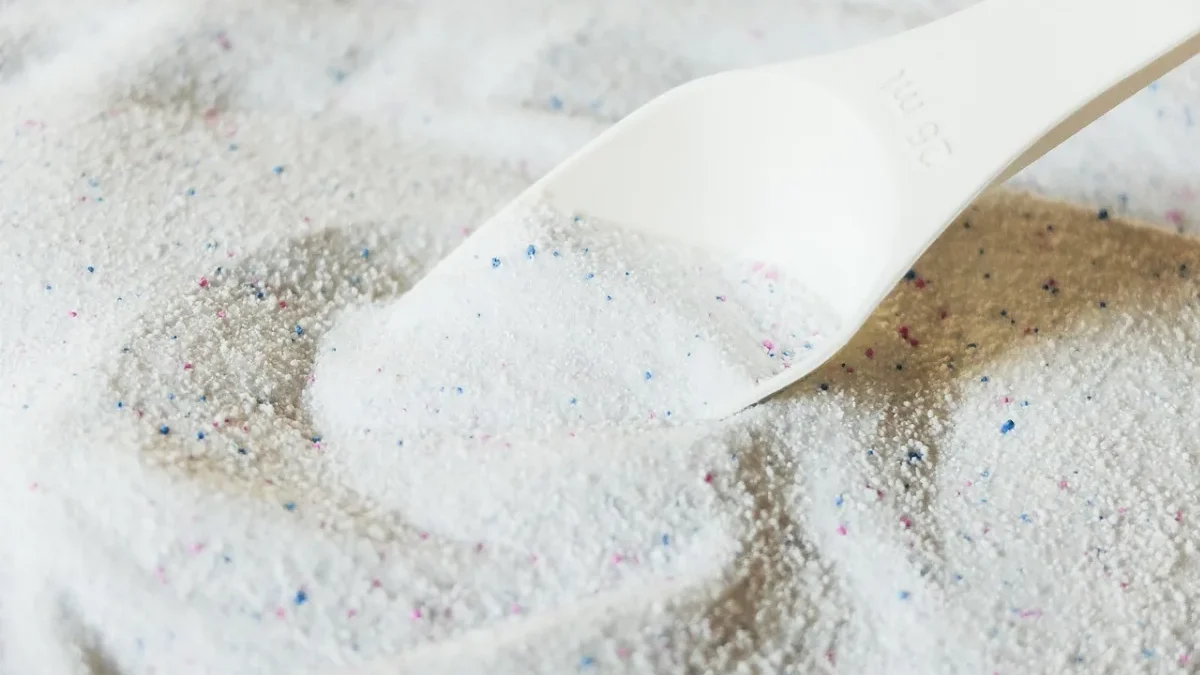
These are powders or liquids formulated specifically to dissolve limescale, often based on milder acids like sulphamic or citric acid with corrosion inhibitors added. They are the middle path between vinegar’s gentleness and raw acid’s punch.
The good
- Formulated for the job, so they work faster than vinegar without acid’s danger.
- Corrosion inhibitors are designed to protect metal while dissolving scale.
- Clear instructions on dilution and soak time take out the guesswork.
- Far safer to handle and store than muriatic acid.
The bad
- More expensive per use than plain vinegar.
- Quality varies, so it is worth choosing a reputable product.
For most homeowners who want real results without the hazards of strong acid, a proper descaling kit is the choice I recommend. If you would like specific options suited to Indian hard water, our round-up of the best descaling products for hard-water geysers compares what actually works.
Vinegar vs Acid vs Kits: The Honest Comparison
| Factor | White vinegar | Strong acid | Descaling kit |
|---|---|---|---|
| Strength on scale | Weak | Very strong | Moderate to strong |
| Speed | Slow (hours/overnight) | Fast (minutes) | Moderate |
| Safety to handle | Very safe | Hazardous | Reasonably safe |
| Risk to tank coating | Very low | High if misused | Low (inhibited) |
| Cost | Lowest | Low (bulk) | Moderate |
| Best for | Light, regular cleaning | Heavy scale, by a pro | Most home users |
There is no single winner. The right method depends on how thick your scale is and how comfortable you are with chemicals. Match the tool to the job.
Which Method Should You Choose?
- Light scale, done regularly: white vinegar. Cheap, safe, and enough if you stay on top of it.
- Moderate scale, want good results safely: a purpose-made descaling kit. The best all-round choice for most homes.
- Heavy, years-old scale: strong acid, but ideally done by a technician, or on a removed element outdoors with full protection.
- Unsure: start with a descaling kit. It rarely disappoints and it is hard to hurt yourself or the tank with it.
Tip: Descaling works best on the element itself, not just the tank water. If you are comfortable removing the heating element, soaking it in your chosen solution in a bucket clears far more scale than pouring anything into a sealed tank. Photograph the wiring first so you can reconnect it correctly.
Safe Descaling: The Ground Rules
Whatever you choose, the safety steps are the same, and they are not optional.
- Turn off the power at the MCB and let the geyser cool fully. Never descale a live or hot geyser.
- Close the cold inlet and drain the tank, following your model’s method or our guide to flushing and draining a storage water heater.
- Wear protection. Gloves and eye protection for any acid, full ventilation for strong acid.
- Apply the solution at the recommended dilution and give it the stated soak time. Do not leave strong acid in contact with metal longer than instructed.
- Rinse thoroughly. Flush the tank and element several times with clean water so no chemical residue reaches your taps.
- Refill completely until a hot tap runs air-free, then restore power. Never power a dry tank.
Descaling and anode protection go hand in hand, because the same hard water that scales your element also eats your anode rod. Our comparison of magnesium versus aluminium anode rods explains which rod holds up best in the water that keeps scaling your geyser.
Frequently Asked Questions
Can I descale my geyser with vinegar?
Yes, white vinegar works and is the safest option. It is dilute acetic acid, so it dissolves limescale gently. The catch is speed: it is slow and weak against thick, old scale, often needing an overnight soak or repeat treatments. It is best for light, regular descaling rather than a heavy build-up.
Is acid safe to use for descaling a geyser?
Strong acid like muriatic acid is effective but hazardous. It burns skin and gives off harmful fumes, and it can strip a glass-lined tank’s coating if misused. It is best left to a professional, or used only on a removed element outdoors with proper gloves, goggles and ventilation.
What is the best descaling method for hard water geysers?
For most homes, a purpose-made descaling kit is the best balance. These use milder acids with corrosion inhibitors, so they clear scale faster than vinegar without the danger of raw acid. Vinegar suits light regular cleaning; strong acid suits heavy scale but is best handled by a technician.
How often should I descale my geyser?
In hard-water areas, descaling roughly every six months keeps scale from building into a thick crust. In soft-water areas, once a year is usually enough. The heavier your local water and the more you use hot water, the more frequently you will need to descale to keep heating efficient.
Will descaling damage my geyser?
Done correctly, no; descaling protects your geyser. Damage only happens when strong acid is used too concentrated or left too long, stripping the tank coating. Vinegar and inhibited descaling kits are gentle on the tank. The key is correct dilution, the stated soak time, and thorough rinsing afterwards.
The Practical Verdict
Vinegar for light regular care, a descaling kit for most real jobs, and strong acid only for heavy scale in trained hands: that is the honest hierarchy. Choose by your scale level and your comfort with chemicals, never by which sounds most impressive online.
Descale a little and often, and you will almost never need the harsh stuff. To build that habit into a proper routine, explore the rest of our geyser maintenance guides, and if you want the chemistry behind why acids dissolve limescale, the Wikipedia article on limescale is a clear, reliable starting point.