Key Takeaways
- The mounting and plumbing of a geyser is genuinely DIY-friendly if you are handy; the electrical side is where I draw the line for most homeowners.
- A confident DIY install can save you roughly ₹800, ₹2,500 in labour, but one wiring or earthing mistake can cost far more, or hurt someone.
- Hire a professional when the point needs new wiring, a dedicated MCB or ELCB, proper earthing, or when it is a gas geyser with flue and ventilation to get right.
- The safest middle path many people miss: do the mounting and pipework yourself, then pay a licensed electrician just for the connection and earthing check.
Every winter I get the same call: “The geyser fitting fellow wants ₹1,500 just to hang it, can I not do this myself?” It is a fair question, and the honest answer is: partly. I have watched capable homeowners mount and plumb a tank beautifully, then wire it in a way that made my stomach drop. In over a decade of installs I have seen both the money DIY saves and the messes it creates. By the end of this piece you will know exactly which parts of a geyser install you can safely take on, which parts to leave to a licensed hand, and how to split the job so you save money without gambling on safety.
If you have not yet seen the full scope of the job, our complete guide to water heater installation lays out every stage, which makes it much easier to judge what you are comfortable doing.
Breaking a geyser install into its real parts
“Installing a geyser” is not one skill, it is four, and they carry very different risks. Judging DIY as all-or-nothing is where people go wrong.
- Mounting: drilling the wall, fixing the bracket, hanging the tank level. Physical, but low risk if you use the right anchors.
- Plumbing: connecting inlet and outlet, fitting the isolation valve and the pressure relief valve, sealing the joints. Fiddly, but forgiving, a leak announces itself.
- Electrical: the dedicated point, MCB or ELCB, correct cable size, and above all earthing. This is where mistakes are invisible until they are dangerous.
- Gas (for gas geysers): the LPG or PNG connection, the flue, and ventilation. This is specialist work, carbon monoxide does not forgive shortcuts.
Keep this split in mind for the rest of the article. The right answer is rarely “all DIY” or “all professional”, it is knowing which of these four you should hand over.
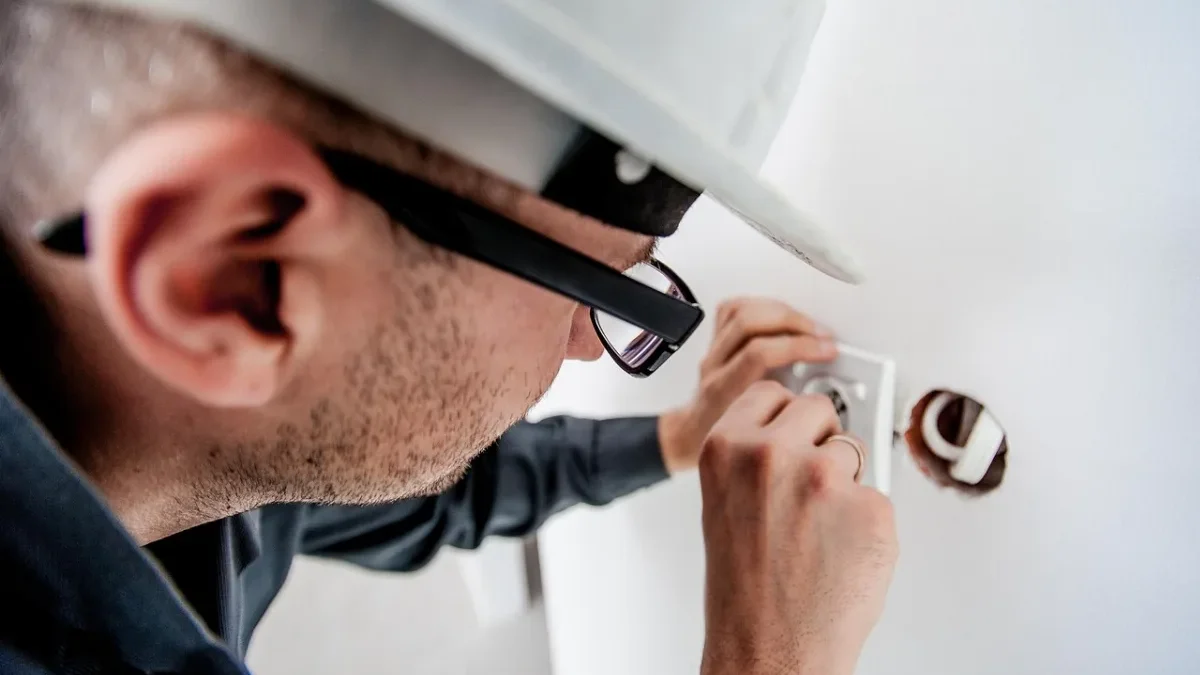
The DIY route: what you can genuinely do yourself
If you are the sort of person who is comfortable with a drill and a spanner, the mechanical half of a standard electric storage geyser install is well within reach.
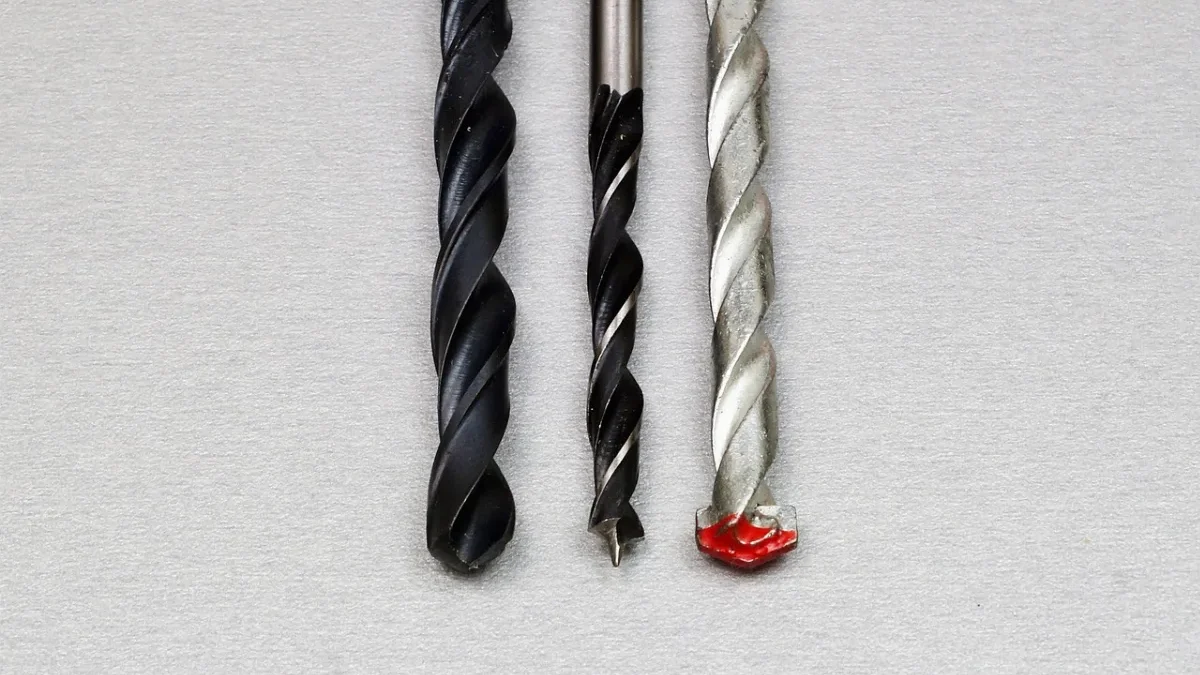
Mounting is the most DIY-friendly part. With a hammer drill, the correct masonry bit, anchors matched to your wall, and a spirit level, hanging the tank is straightforward and satisfying. Plumbing is next: connecting the cold inlet and hot outlet, fitting the isolation valve and the all-important pressure relief valve, and sealing joints with thread tape. A plumbing mistake usually just drips, so you get a clear warning rather than a hidden hazard.
The savings are real but modest, typically ₹800, ₹2,500 in labour depending on your city and whether the point already exists. Where DIY pays off most is when the electrical point is already there and correct, so you are only doing the mounting and plumbing. Before you start, make sure you have the full kit; our rundown of the tools you need to install a water heater saves you improvising halfway through.
Tip: If your bathroom already has a proper dedicated 16A geyser point with a working MCB or ELCB and sound earthing, DIY becomes far more attractive, you can safely do the mounting and plumbing and simply plug into a point that a professional set up earlier.
The professional route: what you are really paying for
When people say a plumber “just hangs the tank”, they undervalue the part that keeps them safe. A good professional is paid for judgement, not just muscle.
A licensed electrician knows the cable size for the load, whether your existing wiring can take a geyser, how to fit and test an ELCB, and, the one thing I never let slide, how to earth the unit properly. Earthing is invisible when it is missing. Everything looks fine, the water heats, and then one day a fault turns the tank body live. A professional also spots the things a first-timer cannot: a shared circuit that will trip, a point too close to the shower, a wall that will not hold.
For gas geysers the case is even stronger. The flue routing and room ventilation are not optional niceties, a gas geyser in a sealed bathroom can release carbon monoxide, which is odourless and deadly. That is professional work, full stop.
Warning: Never DIY the electrical connection if it needs new wiring, a new MCB or ELCB, or fresh earthing, and never install a gas geyser’s flue and ventilation yourself. A missing earth or a badly vented gas geyser can kill, and neither gives you a warning drip the way a leak does.
DIY vs professional: an honest comparison
Here is how the two approaches stack up on the things that decide the choice.
| Factor | DIY | Professional |
|---|---|---|
| Labour cost | ₹0 (your time) | ~₹800, ₹2,500 typical |
| Mounting & plumbing | Very doable if handy | Fast and tidy |
| Electrical & earthing | High risk, not advised | Done correctly and tested |
| Gas geyser flue/venting | Never DIY | Essential, safety-critical |
| Warranty on fitting | None | Usually covered |
| Time to complete | Half a day for a first-timer | An hour or two |
The pattern is clear: DIY shines on the mechanical parts and stumbles badly on anything electrical or gas. That is exactly why the smartest option is often a split.
The middle path most people miss
You do not have to choose all-DIY or all-professional. The approach I quietly recommend to handy homeowners is to divide the job.
- You do the mounting. Fix the bracket into sound masonry with the right anchors and hang the tank level.
- You do the plumbing. Connect the inlet and outlet, fit the isolation valve and the pressure relief valve, and seal the joints.
- A licensed electrician does the connection. They wire the point, fit or verify the ELCB, size the cable, and confirm the earthing.
- They test before you use it. A quick check that the ELCB trips and the body is not live, a few minutes that buys real peace of mind.
This way you save most of the labour cost but still get the one part that genuinely needs an expert done properly. Paying an electrician for a short connection-and-test visit is far cheaper than a full fit, and far safer than doing it yourself.
How to decide for your situation
Run through these honest questions before you pick a route.
- Is there already a correct dedicated point with earthing? If yes, DIY mounting and plumbing is reasonable. If no, get a professional for the electrical.
- Is it a gas geyser? Then the flue and ventilation are professional work, no exceptions.
- Are you genuinely comfortable drilling, plumbing, and reading a level? If a leak or a wonky bracket would rattle you, hire out the whole job.
- Does the manufacturer require professional fitting for warranty? Many do, check before you void your cover.
There is no shame in hiring out. The best DIYers I know are the ones who know exactly where their line is and pay someone to cross it. Deciding where the geyser goes is part of this too, so it is worth reading our comparison of wall-mounted versus floor-standing geysers before you fix anything to the wall.
A story that shaped my advice
An engineer I know installed his own 25L geyser and did a lovely job of the bracket and pipework, genuinely neat. But to save time he tapped the wiring off the nearest lighting circuit, with no dedicated point and a doubtful earth. It worked for weeks. Then a monsoon-damp morning, a tingle through the tap, and a panicked call. The fault current had nowhere to go because the earth was not properly connected. We ran a fresh point, fitted an ELCB, and earthed it correctly. He had saved perhaps ₹1,500 and risked a great deal more. His mounting was perfect; it was the invisible half that nearly caught him. That is exactly why I keep pushing the split approach.
Frequently Asked Questions
Can I install a geyser myself in India?
You can safely do the mounting and plumbing yourself if you are handy. The electrical connection, the dedicated point, ELCB, cable size, and earthing, is best left to a licensed electrician. For gas geysers, the flue and ventilation must always be done professionally because of carbon monoxide risk.
How much does professional geyser installation cost?
Labour for a standard electric geyser is usually around ₹800, ₹2,500, depending on your city and whether a proper point already exists. New wiring, an ELCB, or fresh earthing adds to that. Doing DIY mounting and plumbing yourself and paying only for the electrical connection is a common way to save.
Do I need an electrician to connect a geyser?
If the job needs new wiring, a new MCB or ELCB, or fresh earthing, yes, hire a licensed electrician. Earthing faults are invisible until dangerous, so this is not the place to guess. If a correct dedicated point already exists, connecting is simpler, but a professional check is still wise.
Is DIY geyser installation safe?
The mounting and plumbing are safe to DIY if done carefully, because a leak or loose bracket warns you. The electrical side is not, a missing earth or wrong cable gives no warning until someone is shocked. Never DIY the wiring, earthing, or a gas geyser’s flue and ventilation.
Will DIY installation void my geyser warranty?
It can. Many manufacturers require installation by an authorised or licensed fitter for the warranty to hold, and some ask for a fitting receipt. Check the warranty card before you start. If cover matters to you, professional installation, or at least a professional electrical connection, protects it.
The bottom line
Do the parts you can see and understand, the mounting and the plumbing, and hand over the parts that hide their dangers, above all the electrical connection, earthing, and any gas work. That split saves you most of the money while keeping the risk with someone qualified to carry it. If you are planning a DIY-friendly job, start with our installation guides to prepare properly, and for the electrical rules of thumb, the BEE’s home electricity resources at beeindia.gov.in are a reliable, non-commercial place to read up.