Key Takeaways
- The three non-negotiables for a safe geyser are proper earthing, a working ELCB/RCCB, and a functioning pressure relief valve.
- You don’t need the geyser running all day; switch it on before your bath and off after, for both safety and lower bills.
- A tingle from the tap, repeated tripping, rusty water, or a burning smell all mean stop and get it checked.
- Gas geysers add a carbon-monoxide risk, so they need proper ventilation and must never run in a closed bathroom.
- Most safety questions have simple, cheap answers; the danger is usually in skipping the check, not in the fix itself.
Over the years, the same worried questions come up on nearly every service visit. “Is it normal to feel a slight shock?” “Should I keep it on all the time?” “Do I really need that valve?” These aren’t silly questions, they’re exactly the right ones, and the honest answers are usually reassuringly simple. Drawing on more than a decade of fitting and servicing geysers in Indian homes, I’ve gathered the safety questions I’m asked most and answered them plainly. By the end you’ll have a clear, no-nonsense reference for judging whether your own geyser is safe. For the full detail behind these answers, our complete guide to water heater safety goes deeper on each point.
Is it normal to feel a small shock or tingle from my geyser?
No, this is never normal, and it’s the one symptom I want everyone to take seriously. A tingle from the tap, shower, or geyser body means current is leaking where it shouldn’t, almost always an earthing fault or a failing heating element.
In a wet bathroom, that leakage can turn into a serious shock. Switch off at the MCB, stop using the geyser, and get an electrician to check the earthing and the ELCB before you switch it on again. “It’s only a small tingle” is exactly the thinking that leads to accidents.
Warning: A tingle plus a geyser that also trips the ELCB or MCB is a clear danger signal. Don’t reset and keep using it. Isolate the circuit and call a licensed electrician, the protection is doing its job by cutting the power.
Should I keep the geyser switched on all the time?
I don’t recommend it. A healthy thermostat cuts off at temperature, so leaving it on isn’t instantly dangerous, but running it around the clock gives a stuck thermostat far more opportunities to fail, and puts more reliance on the relief valve and thermal cut-out.
The practical habit is to switch on 15 to 30 minutes before your bath and off afterwards. A good storage geyser holds heat well, so you get hot water when you need it, use less electricity, and reduce the wear that comes from constant heating cycles.
What safety devices does my geyser actually need?
There’s a short list that genuinely matters, and I’d never sign off an install without it. Here’s what each part does:
| Device | What it protects against |
|---|---|
| Proper earthing | A live body if the element leaks current |
| ELCB / RCCB | Electric shock from earth leakage |
| MCB (rated correctly) | Overheating wiring from overload or short |
| Pressure relief valve | A burst tank if the thermostat sticks on |
| Thermostat + thermal cut-out | Water getting dangerously hot |
Notice the MCB and ELCB do different jobs, so you need both, not one instead of the other. If you’d like the reasoning spelled out, our roundup of geyser safety myths that put you at risk tackles the common MCB-versus-ELCB confusion head-on.
How do I know if my geyser is becoming unsafe?
Geysers usually give warning signs before they fail. Treat any of these as a reason to stop and investigate:
- Any shock or tingle from the tap, shower, or geyser body.
- The ELCB or MCB tripping repeatedly.
- Rusty, brown, or foul-smelling hot water.
- A burning smell, or unusual rumbling and popping noises.
- Visible rust streaks, or water pooling under the unit.
None of these is a “wait and watch” issue. Rusty water and a leaking base often mean the tank is corroding from inside; a burning smell can mean an electrical fault. When in doubt, switch off and get it looked at.
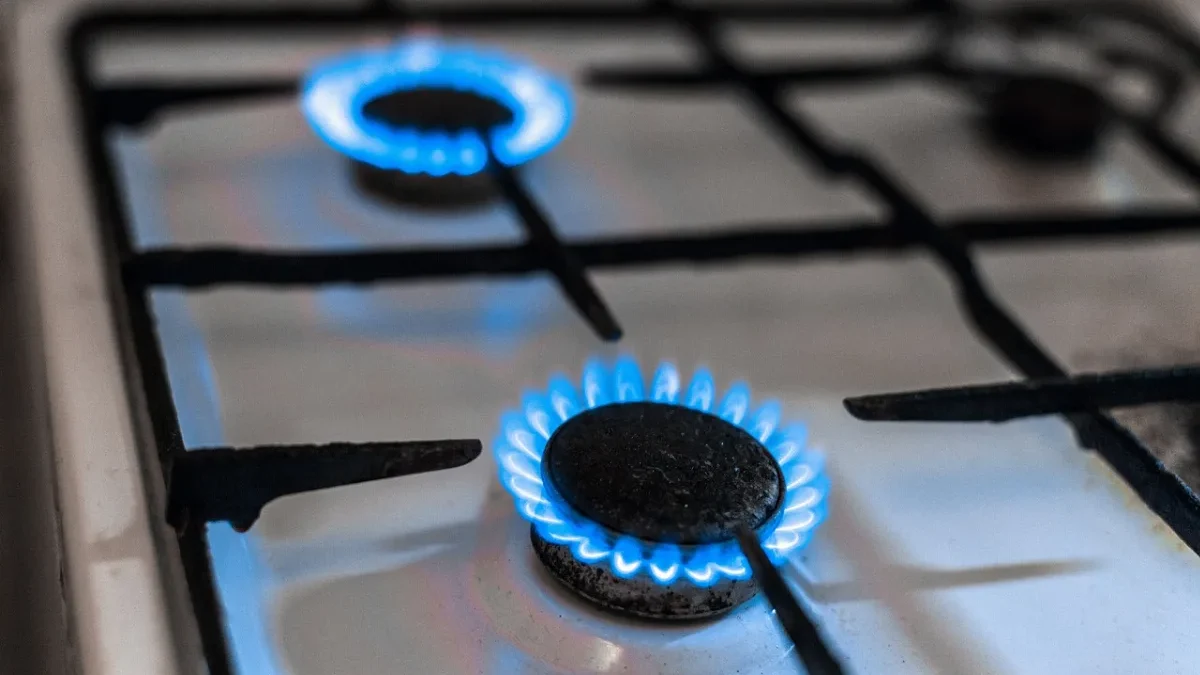
Are gas geysers more dangerous than electric ones?
They carry a different risk rather than simply “more” risk. Electric geysers bring shock and pressure hazards, which proper earthing, an ELCB, and a relief valve manage well. Gas geysers add the serious risk of carbon monoxide, a colourless, odourless gas produced by incomplete combustion.
The golden rule with any gas (LPG or PNG) geyser is ventilation. Never install or run one in a small, closed bathroom. It needs fresh air and, ideally, a flue to take exhaust outside. Carbon-monoxide incidents in closed bathrooms are among the most tragic and most preventable cases I hear about.
Tip: If you have a gas geyser, keep a window or exhaust open while it runs, and never let it burn in a sealed bathroom. A flickering yellow flame instead of a steady blue one is a sign of poor combustion, get it serviced before using it again.
Where should the geyser switch be placed?
Ideally outside the bathroom, or at least well away from the shower and any splash zone. Operating a switch with wet hands is a real shock risk, because wet skin conducts a fault current far more easily than dry skin.
If your switch sits inside a wet area, ask an electrician about relocating it, it’s usually a quick job. And whatever the location, make “dry hands on the switch” a household rule, particularly for children and elderly members who may not think about it.
Is it safe to shower while the geyser is switched on?
If your geyser is correctly earthed and protected by a working ELCB, it’s designed to be safe even while heating. That said, many people prefer the extra reassurance of switching it off before bathing, and I think that’s a sensible habit.
The key word is “correctly earthed”. A geyser with no earth or a dead ELCB is a risk whether it’s on or off during a shock event. So the honest answer is: safe if properly installed and maintained, and switching off first costs you nothing.

How often should safety devices be tested?
Press the test button on your ELCB/RCCB every month or two, it should trip instantly, and that takes ten seconds. Once a year, fold safety into a proper service: check earthing continuity, inspect the relief valve, and descale in hard-water areas so the element isn’t overworked.
For the everyday basics that keep a geyser safe between services, our primer on geyser safety basics every home should know is a good, short read to share with the whole family.
Frequently Asked Questions
Is it normal to feel a small shock from a geyser?
No, never. A tingle from the tap, shower, or body means current is leaking, usually a faulty earth or a failing element. In a wet bathroom this can become a serious shock. Switch off at the MCB and have an electrician check the earthing and ELCB before using it again.
Should I keep my geyser switched on all the time?
Better not to. A working thermostat cuts off at temperature, but running it around the clock gives a stuck thermostat more chances to fail and wastes power. Switch it on 15 to 30 minutes before your bath and off afterwards, a good storage geyser holds heat well.
Are gas geysers safe in a bathroom?
Only with proper ventilation. Gas geysers can produce carbon monoxide, a colourless, odourless gas, so they must never run in a small closed bathroom. Keep a window or exhaust open, ideally use a flue, and if the flame burns yellow instead of blue, get it serviced first.
Is it safe to shower while the geyser is on?
If it’s correctly earthed and protected by a working ELCB, yes, it’s designed to be safe even while heating. Many people still switch it off first for extra reassurance, which is sensible and costs nothing. The real safety factor is proper earthing, not whether it’s on or off.
How often should I test my geyser’s ELCB?
Press the ELCB or RCCB test button every month or two, it should trip instantly, which takes only seconds. Once a year, include earthing checks, a relief-valve inspection, and descaling in hard-water areas as part of a full service so the safety devices and element stay reliable.
Final Word
Most geyser safety worries come down to the same handful of fundamentals: proper earthing, a working ELCB alongside the MCB, a functioning relief valve, ventilation for gas units, and stopping the moment something feels off. Get those right and you’ve answered almost every safety question before it comes up.
If a specific doubt is still nagging you, the safest move is always to switch off and ask a licensed electrician. To keep learning, our complete water heater safety guide is the place to start, and you can browse every related article in our geyser safety guides. For a neutral background on the topic, the Wikipedia overview of water heating is a useful read.