Key Takeaways
- My old geyser habits, not the geyser itself, were burning most of the money, leaving it on 24×7 was the single biggest leak.
- A ₹300 mechanical timer and dropping the thermostat from full to about 55°C did more than any gadget I bought.
- Descaling the element in our hard-water flat brought the heat-up time back down noticeably.
- My bill for water heating roughly halved over two winter billing cycles, with no drop in comfort.
- None of this needed a new geyser, just changing how and when I used the one I had.
Two winters ago I opened my electricity bill and actually said a bad word out loud. The geyser was the obvious suspect, a 25L storage unit that ran most of the day in a cold-water Pune flat. I’ve fitted and serviced hundreds of geysers for other people, so it stung that my own setup was the wasteful one. This is the honest account of what I changed over about three months, what actually moved the needle, and what turned out to be a waste of money. By the end you’ll know which habits are worth copying and which ones I’d skip if I did it again. If you want the full picture first, our complete guide to water heater efficiency lays out the fundamentals.
Where My Money Was Actually Going
The first thing I did was stop guessing. A storage geyser doesn’t just cost you when you bathe, it costs you every time it reheats to hold its set temperature. Mine was switched on at the wall board and simply left there. In winter, in an unheated bathroom, that meant it was cycling on and off all day and night to fight the standing heat loss.
Two adults, one geyser, maybe 40 minutes of hot water use a day. Yet the thing was heating water for the other 23 hours too. Once I framed it that way, the fix was obvious: match the heating to when we actually needed hot water, and stop paying to keep a full tank scalding hot all night.
The Timer That Paid For Itself
I started with the cheapest change and it turned out to be the best one. A basic mechanical plug-in timer, the kind with the little tabs you push down around a dial, cost me somewhere around ₹250, ₹350. I set it to power the geyser for roughly 45 minutes before our morning baths and switch it off after.
The logic is simple: a well-insulated storage tank holds usable heat for a few hours. You don’t need the element running while you sleep. You need it to top the tank up shortly before you use it. For a deeper look at how the two devices compare, our piece on getting the most from reducing your geyser electricity bill goes into the timing side in detail.
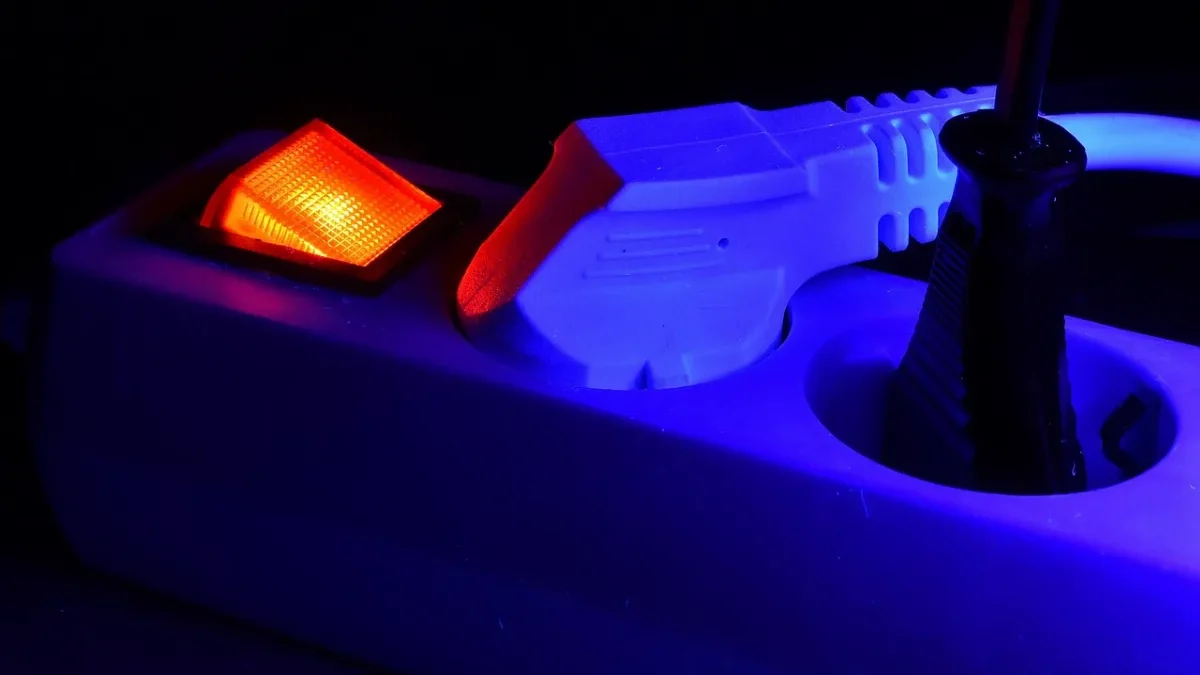
Tip: If your geyser point is a dedicated 16A socket, buy a timer rated for at least 16A. A 6A timer meant for lamps will overheat on a 2000W geyser load. Check the rating printed on the timer, not just the price tag.
Dropping the Thermostat (and Why It’s Not Obvious)
My thermostat was cranked to maximum, probably 70°C or so. Here’s the thing most people miss: if your water is that hot, you’re mixing in a lot of cold at the tap anyway. You’re paying to heat water past the point you can even use it, and losing more heat through the tank walls because the temperature gap with the room is larger.
I brought it down to roughly 55°C. That’s hot enough for a comfortable winter bath, hot enough to discourage bacteria, and cool enough to cut standing losses. The bathing experience didn’t change, I just used less cold water to balance it. It’s the kind of adjustment that feels like it should do nothing and quietly does a lot.
The Hard-Water Problem I’d Ignored
Pune water isn’t the worst in the country, but it’s hard enough. When I opened up my geyser I found the heating element wearing a thick grey-white crust of scale. Scale is an insulator, it wraps the element in a jacket that stops heat reaching the water, so the element runs longer and hotter to do the same job. That’s wasted units and a shorter element life.
I turned off the power at the MCB, drained the tank, pulled the element, and cleaned off the scale. After that the water heated up faster, which told me the element was finally passing its heat properly again. If your area has hard water, this alone can explain a creeping bill. I’ve written more about that in the guidance on the best ways to save water heating costs.
Warning: Never open a geyser without switching off the MCB and confirming the tank is drained and cool. If you’re not confident testing that power is truly off, call a licensed electrician. Water and live wiring are an unforgiving combination.

What Didn’t Work (So You Can Skip It)
Not everything I tried was worth the money. I want to be straight about that, because the internet is full of “one weird trick” claims.
- A fancy Wi-Fi smart plug: lovely app, negligible extra saving over the ₹300 mechanical timer. The savings came from switching off on schedule, and a dumb timer does that just fine.
- An “energy-saving” additive poured into the tank: no measurable difference. Physical descaling did the real work.
- Bathing at a lower temperature than we liked: we simply weren’t willing to do it, and forcing it just made everyone crank the geyser back up. Comfort you won’t keep isn’t a saving.
The Before-and-After Numbers
I don’t want to pretend I ran a lab experiment. But I did note my geyser habits and my winter bills, and the direction was unmistakable. Here’s a rough breakdown of what each change contributed, based on my own observation over two billing cycles.
| Change I made | Cost to me | My rough impact on water-heating cost |
|---|---|---|
| Timer (heat only before use) | ~₹300 one-time | Largest single saving |
| Thermostat to ~55°C | Free | Moderate, steady saving |
| Descaling the element | An afternoon | Faster heating, less run-time |
| Shorter, more deliberate baths | Free | Small but genuine |
Put together, my water-heating portion of the bill came down by roughly half across those two winter cycles. To be honest about it: the exact figure depends on your tariff, family size and city, so treat “half” as my result, not a promise. If you want to work out your own numbers properly, our deep-dive on how much a geyser really costs to run walks through the maths.
What I’d Tell a Neighbour
If a neighbour asked me where to start, I’d say this: don’t buy anything for the first week. Just switch the geyser off between uses and see how much hot water you actually have and need. Most people are shocked at how little heating time they require once the tank isn’t losing heat all night.
Then add a timer so you don’t have to remember. Then drop the thermostat. Then, if you have hard water, get the element cleaned. In that order, from free to cheap to a bit of effort. The expensive gadgets can wait, and honestly, most of them can wait forever.
Frequently Asked Questions
Does switching the geyser off between uses actually save money?
Yes, in my experience it’s the biggest saving of all. A storage geyser loses heat to the room constantly and reheats to compensate. Heating only shortly before you bathe means you stop paying to keep a full tank hot through the night and the working day.
What temperature should I set my geyser to?
Around 55°C works well for most Indian homes. It’s comfortably hot for a winter bath, discourages bacterial growth, and cuts the heat lost through the tank walls compared with running it near maximum. You’ll simply add less cold water at the tap.
Is a geyser timer worth buying?
For a storage geyser, yes. A basic mechanical timer costs around ₹250, ₹350 and removes the need to remember to switch off. Just make sure it’s rated for at least 16A so it handles the geyser’s load safely, not a small 6A lamp timer.
Can hard water increase my geyser bill?
It can. Scale builds up on the heating element and acts as insulation, so the element runs longer to heat the same water. Descaling in hard-water areas can restore heating speed and reduce wasted units. Always cut power at the MCB before opening the geyser.
Do smart Wi-Fi plugs save more than a mechanical timer?
Not meaningfully, in my case. The saving comes from switching the geyser off on a schedule, and a cheap mechanical timer does that reliably. A smart plug adds convenience and remote control, but for pure bill reduction the extra spend didn’t pay off for me.
The Bottom Line
Cutting my geyser bill roughly in half didn’t take a new appliance or clever technology. It took paying attention to when the geyser ran, how hot it ran, and whether it was fighting a layer of scale. If you make one change today, switch it off between uses and watch a week’s habits, the rest follows from there. For more grounded, tested ways to run your water heater for less, browse our efficiency guides, and reference the BEE’s consumer resources at beeindia.gov.in for star-rating guidance.