Key Takeaways
- Most geyser noises come from one thing: scale and sediment built up on the element and tank floor, especially in hard-water homes. The sound is trapped water bubbling under the crust.
- Rumbling, popping, and crackling are usually a descaling job, not a breakdown, but ignored long enough they shorten the element’s life.
- A sharp hissing or sizzling can mean water is touching an overheating or leaking spot, treat that as a warning, not background noise.
- Ticking and knocking are often harmless pipe expansion, but a loud bang on switch-on deserves a closer look.
- When a noise comes with tripping, leaking, or a burning smell, switch off at the MCB and get it checked, sound plus another symptom is rarely innocent.
A geyser is meant to be a quiet appliance, so when it starts to rumble like a kettle or pop like frying oil, people assume the worst. In most of the homes I’ve serviced, though, a noisy geyser isn’t dying, it’s dirty, and the sound is simply the scale telling on itself. That said, a couple of noises genuinely mean “look at me now,” and knowing which is which saves you both worry and money. By the end of this guide you’ll be able to match nine common geyser sounds to their real cause, tell the harmless ones from the ones that need action, and know exactly when to switch off and call for help. For the full fault-finding picture, our complete water heater repair guide ties it all together.
Why geysers get noisy in the first place
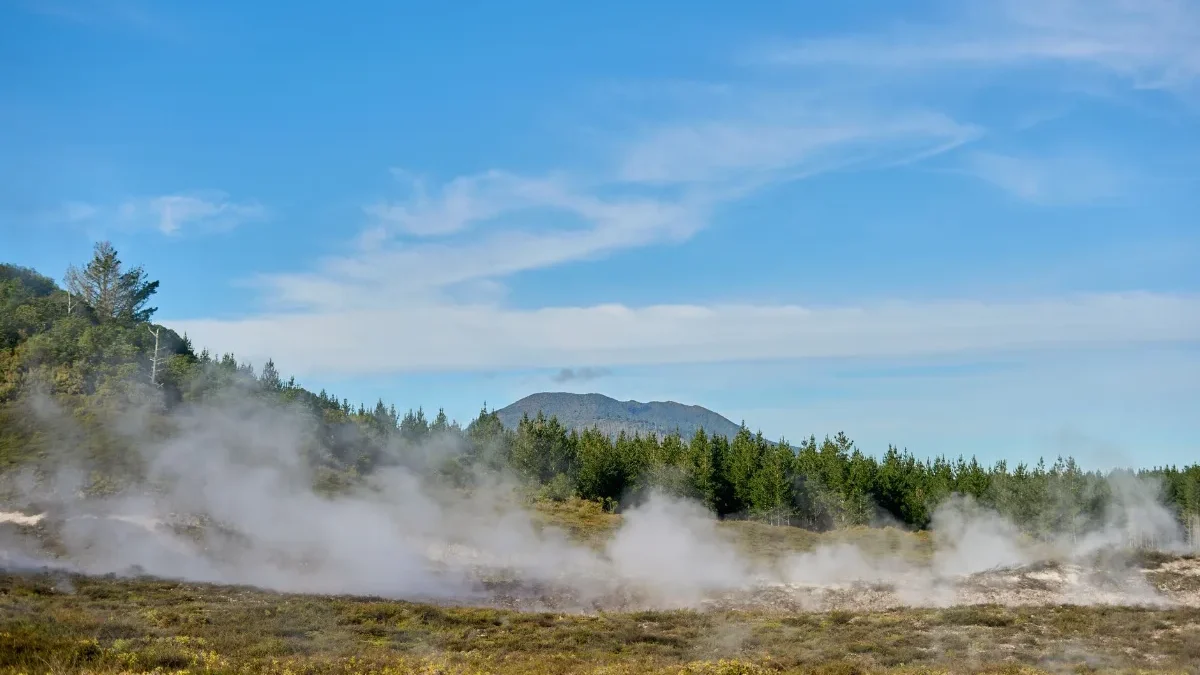
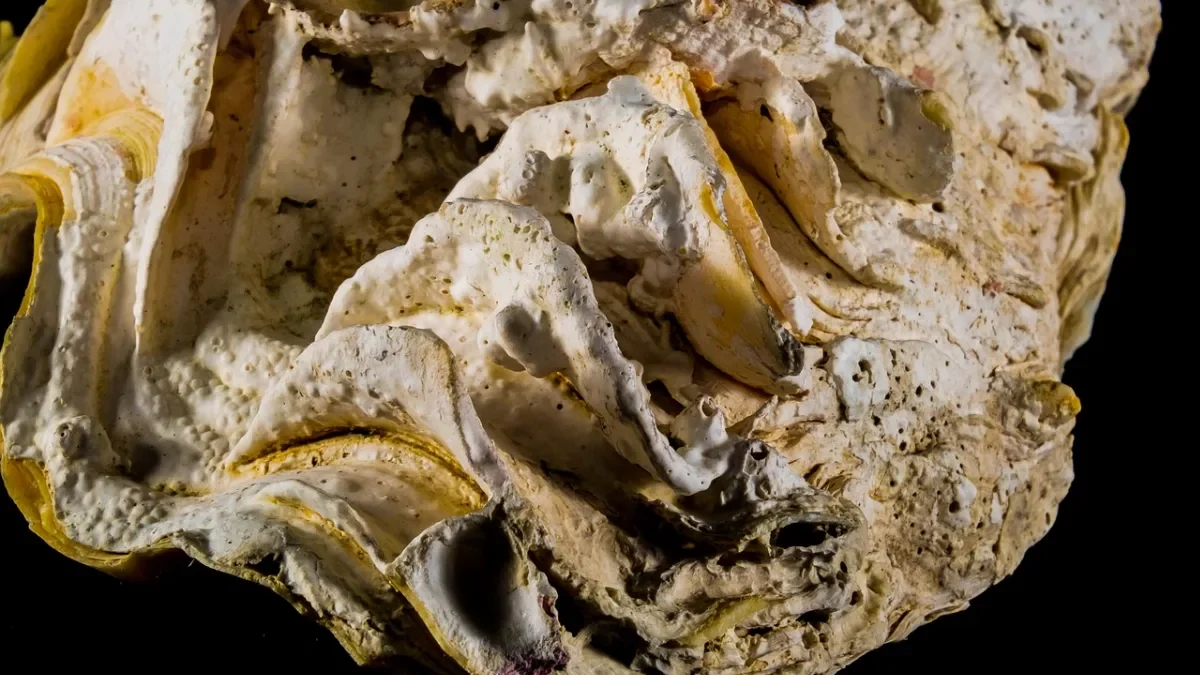
Before the list, one idea explains most of it: hard water. Across much of India the supply carries dissolved calcium and magnesium, which bake onto the heating element and settle on the tank floor as scale and sediment. Water gets trapped under and inside that crust, and when it heats it bubbles, cracks, and rumbles, exactly like a scaled kettle. So most of the sounds below are really one story told in different accents. If you want the underlying chemistry, this overview of hard water and scale is a clear primer.
1. Rumbling or roaring
A deep rumble as the geyser heats is the classic sediment sound. Water trapped beneath a layer of sludge on the tank floor boils and forces its way out, shaking the loose scale. It’s the single most common noise I hear, and it’s a clear cue to descale. Harmless in the short term, but that sediment blanket makes the geyser work harder and slower.
2. Popping or knocking from inside the tank
Sharp pops, almost like corn, come from steam bubbles bursting through the sediment layer, or from scale flaking off the element as it expands. Same root cause as rumbling, just a higher-pitched version. If popping has crept in over months, your element is likely wearing a thick scale jacket.
3. Crackling or sizzling
A crackle or frying-pan sizzle usually means condensation or trapped water is meeting the hot element or a scaled surface. On a scaled element it’s the water fighting through the crust. This is a descaling and element-check job, if you can hear it clearly, our guide on how a geyser thermostat compares to a faulty element helps you work out whether the element itself is on the way out.
Tip: Rumbling, popping, and crackling almost always trace back to scale. A yearly flush and descale in hard-water areas keeps the geyser quiet, heats faster, and squeezes years more life out of the element. It’s the cheapest “repair” there is.
4. Hissing
Hissing is the one I take more seriously. A steady hiss can mean water is dripping onto a hot element, or a small leak is contacting a heated surface, or the safety valve is releasing. If the hiss comes with any dampness or dripping, treat it as a leak, our guide on a leaking water heater shows how to trace and fix it. Don’t ignore a hiss that’s new or getting louder.
5. Ticking or clicking
Regular ticking, especially just after the geyser switches on or off, is usually harmless. It’s often the thermostat clicking as it cycles, or metal pipes and brackets expanding and contracting with the temperature change. If it’s rhythmic and coincides with heating cycles, you can usually relax.
6. Knocking or banging in the pipes
A single loud bang when you open or close a tap is often “water hammer,” a pressure shock in the plumbing, not the geyser itself. Loose pipes knocking against the wall as they expand can do the same. It’s usually a plumbing fix, securing pipes or fitting an arrestor, rather than a geyser fault. A repeated bang on switch-on, though, can be steam collapsing in a heavily scaled tank, which loops back to descaling.
7. Humming or vibrating
A low hum or buzz often comes from the heating element vibrating as water flows past it, more common with vertically mounted elements. It’s usually cosmetic and can sometimes be settled by gently securing a loose element mount. If the hum is new and paired with poor heating, have the element checked.
8. Screeching or whistling
A high whistle or screech usually points to water being forced through a restriction, a partly closed valve, a scaled inlet, or a pressure issue at the safety valve. Check that the inlet valve is fully open. If the whistle comes from the pressure-relief valve, don’t tamper with it; have the pressure and valve checked.
9. Gurgling
Gurgling as the geyser heats or drains is normally just air moving through water, common after a refill or in a partly empty tank. On its own it’s harmless. Persistent gurgling with slow heating can again point to sediment disturbing the flow inside the tank.
A quick note on how loud is “too loud”
People often ask me how loud a noise has to be before they worry, and the honest answer is that volume matters less than change. A geyser that has always ticked or gently rumbled on switch-on, and still does, is usually fine. What deserves attention is a new sound, or an old sound getting steadily louder over weeks, that trend is the appliance telling you scale is building or a part is wearing. In one home I service, the owner’s geyser had rumbled softly for two years; the day it turned into a sharp banging on every heating cycle was the day we opened it and found the element wearing a thick shell of scale. The lesson: track the change, not just the decibels.
Noise-to-cause quick guide
| Noise | Most likely cause | Action |
|---|---|---|
| Rumbling / roaring | Sediment on tank floor | Flush & descale |
| Popping / crackling | Scale on element, trapped water | Descale, check element |
| Hissing / sizzling | Water on hot surface, possible leak | Inspect for leak, take seriously |
| Ticking / clicking | Thermostat cycling, pipe expansion | Usually harmless |
| Knocking / banging | Water hammer or loose pipes | Plumbing fix |
| Humming / vibrating | Element vibrating in flow | Usually cosmetic |
| Screeching / whistling | Restricted flow or valve | Open valve, check pressure |
| Gurgling | Air in the tank after refill | Usually harmless |
When a noise means “switch off now”
Sound on its own is rarely an emergency, but sound paired with another symptom often is. Switch off at the MCB and call a professional if a noise arrives alongside any of these.
- A burning or plastic smell, or a warm, discoloured switch.
- Water leaking, pooling, or dripping near the unit.
- The geyser tripping the ELCB or MCB, if yours also won’t run properly, our checklist for a geyser that’s not working helps you pin it down.
- A sudden, violent bang that wasn’t there before.
Warning: Never open a geyser to “quieten” it while it’s powered and full. Descaling and element checks are done with the MCB off and the tank drained. A noise plus a leak, a smell, or tripping is your signal to isolate the unit and bring in a licensed technician.
Frequently Asked Questions
Why is my geyser making a rumbling noise?
Rumbling is almost always sediment on the tank floor. Water trapped under the sludge boils and forces its way out, shaking the loose scale. It’s very common in hard-water areas. The fix is to flush and descale the tank, which also restores faster heating and lower bills.
Is a noisy geyser dangerous?
Usually not on its own, most rumbling and popping is harmless scale noise. It becomes a concern when paired with another symptom: a burning smell, leaking water, tripping, or a sudden violent bang. In those cases, switch off at the MCB and have it checked before further use.
Why does my geyser make a popping sound when heating?
Popping comes from steam bubbles bursting through the sediment layer or scale flaking off the heating element as it expands. It shares the same cause as rumbling, hard-water scale. Descaling the tank and element clears it and stops the scale from making the element overheat.
How do I stop my water heater from making noise?
For the common scale-based sounds, flush and descale the tank and element, ideally once a year in hard-water areas. For pipe knocking, secure loose pipes or fit a water-hammer arrestor. For a whistle, make sure the inlet valve is fully open. Persistent noise with faults needs a technician.
Can hard water make my geyser noisy?
Yes, it’s the main reason. Hard water deposits calcium and magnesium scale on the element and tank floor. Water trapped under and inside that scale bubbles and cracks as it heats, causing rumbling, popping, and crackling. Regular descaling and a healthy anode rod keep it quiet.
Listen, then act
A geyser’s noises are its way of talking to you, and most of what it’s saying is simply “I’m full of scale, clean me.” Rumbling, popping, and crackling point to a descale; ticking and gurgling are usually nothing; and hissing, banging, or any noise alongside a leak or a trip is your cue to switch off and investigate. Treat the sounds as free early warnings and you’ll fix small problems before they become dead geysers. For more on diagnosing what your water heater is trying to tell you, browse the rest of our repair guides.