Key Takeaways
- Geyser prices in India span a wide band, roughly from budget instant units to premium storage models, driven mostly by capacity, tank quality and star rating, not brand alone.
- The cheapest geyser is rarely the cheapest to own; a thin tank or low star rating costs you more in electricity and replacements over its life.
- For hard-water homes, paying extra for a glass-lined tank and a good anode rod is the single best-value upgrade you can make.
- Remember to budget for fitting, safety devices and the electrical point separately, the sticker price is not the whole cost.
- Judge value over the full life of the geyser, not the day you buy it, and the mid-range well-built unit usually wins.
“Why does that geyser cost three times more than this one, they look the same to me?” I hear a version of this in almost every showroom I get dragged to by a friend. The honest answer is that two geysers of the same size can be genuinely different machines inside, and the price tag is mostly telling you about parts you can’t see. After years of opening up both the cheap ones and the expensive ones, I can tell you exactly where your money goes. By the end of this you’ll understand what really drives geyser price in India and how to spot value instead of just a low number. For the bigger picture, pair this with our complete guide to buying a water heater.
The Rough Price Bands (and Why They’re So Wide)
Let me set expectations honestly. These are illustrative bands I see for the appliance itself, before fitting, and they shift with city, season and offers. Treat them as ballpark, not gospel.
| Type and size | Typical price band | Best for |
|---|---|---|
| Instant geyser (3–6 L) | Budget | Kitchen, single tap, quick use |
| Small storage (10–15 L) | Budget to mid | 1–2 person bathroom |
| Large storage (25 L) | Mid | Family, shower use |
| Premium storage (glass-lined, 5-star) | Mid to high | Hard water, long life, low bills |
| Gas geyser (LPG/PNG) | Budget to mid | High usage, low running cost |
| Solar water heater | High upfront | Independent homes with roof and sun |
The reason the range is so wide within a single size is that “15 litres” tells you almost nothing about what’s inside. Two 15 L geysers can differ enormously in tank quality, insulation and safety fittings, and that’s exactly what you’re paying for.
Season matters too. I usually tell people to buy just before winter demand peaks or during a festive sale, when discounts are real rather than invented. The same model can swing by a fair margin between a quiet monsoon month and the first cold snap, when everyone suddenly wants hot water at once.
What Actually Drives the Price
Here are the real cost levers, in roughly the order they move the price on the shelf.
Capacity
More litres means more steel, more insulation and a bigger element, so price climbs with size. A 25 L unit costs meaningfully more than a 10 L one. But bigger isn’t automatically better value, an oversized tank also costs more to run. Getting this right with our guide to choosing the right geyser capacity is worth doing before you shop.
Tank quality and lining
This is the hidden big one. A basic tank versus a glass-lined or enamel-coated tank with a good sacrificial anode rod can separate two otherwise identical geysers by a large margin. In hard water, this is the difference between a tank that survives and one that rusts through.
Star rating and insulation
A higher BEE star rating means thicker, better PUF insulation, which costs more to build in. You pay a little more upfront and get it back through lower standby heat loss every day the geyser sits idle.
Tip: When two geysers look similar but one costs more, open the spec sheet and look at three lines: tank lining, star rating and warranty on the tank. That premium is almost always buying you a longer-lasting, cheaper-to-run machine, not just a badge.
Safety fittings and build
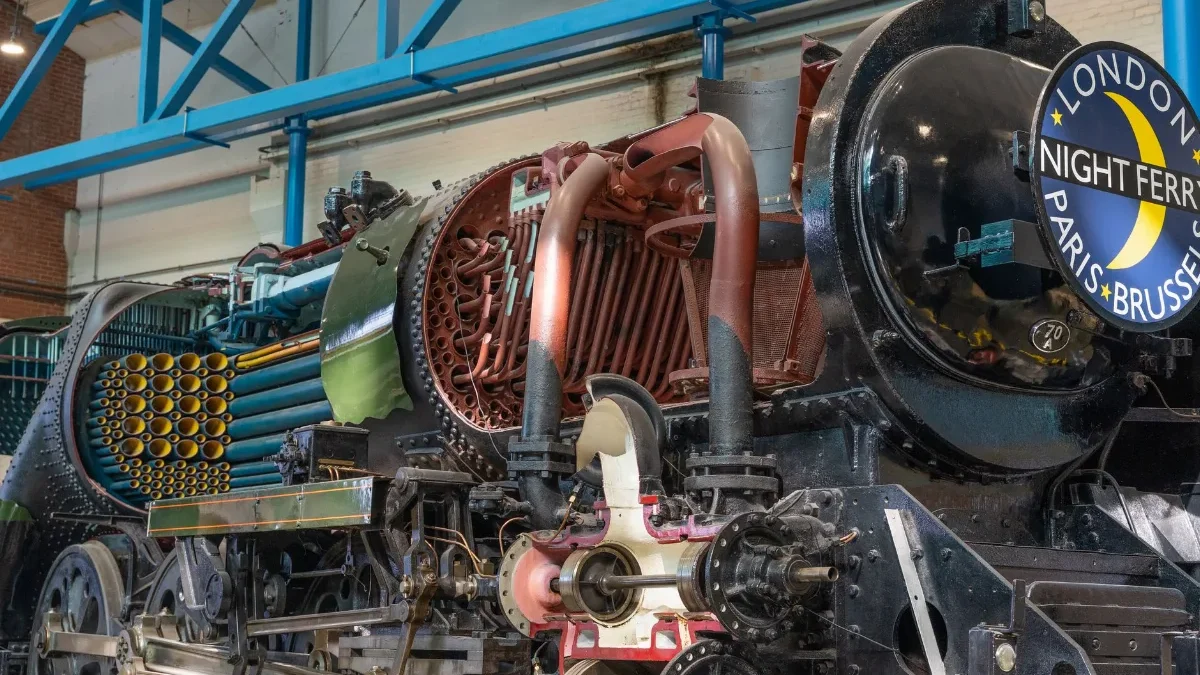
Better geysers include a proper pressure relief safety valve, a sturdier thermostat and thermal cut-out, and a more robust outer body. These aren’t glamorous, but they’re part of why one unit costs more than another.
Features and brand
Digital displays, timers, apps and remote control add cost. So does a well-known brand name, partly for genuine quality control and service network, partly for the badge. My honest view: pay for features you’ll truly use and for a brand with real local service, and don’t pay for the rest. Our list of features to look for in a good geyser helps you tell the two apart.
The Costs People Forget to Budget For
The number on the box is not what leaves your wallet. In my experience, first-time buyers routinely forget these:
- Fitting and plumbing labour, usually a separate charge, more if new pipework is needed.
- The electrical point, a proper dedicated point with an MCB and ELCB, if you don’t already have one, needs a licensed electrician.
- Mounting hardware, heavy-duty anchor bolts for the wall, not the flimsy screws in the box.
- Safety devices, if your setup lacks proper earthing or an ELCB, budget to fix that first.
- Old unit removal, if you’re replacing, sometimes bundled, sometimes not.
These extras can add a noticeable amount on top of the appliance. It’s exactly the trap I nearly fell into myself, which I wrote about in how I chose a geyser for my home, where the real budget only became clear once fitting was counted in.
Cheap Now vs Cheap to Own
This is the heart of the matter, and where I most often see people lose money. The lowest sticker price frequently costs the most over the geyser’s life.
Picture two 15 L geysers. The cheaper one has a basic tank and a lower star rating. In hard water it might scale up and start leaking within a few years, needing replacement, and it quietly draws more electricity every day through poorer insulation.
The dearer one, glass-lined and five-star, costs more today but can run trouble-free for years longer while sipping less power. Spread across its life, it’s often the genuinely cheaper geyser. That’s the calculation I want you to make.
I’ve seen this play out on the bench. A customer once proudly told me his geyser was the cheapest in the shop; I was back at his flat within three years replacing a tank that had rusted through from the inside, plus the wall damage from the leak. The “saving” was long gone. A neighbour with a better unit and the same hard water was still running his without a whisper of trouble.
Warning: Never save money by skipping the safety fittings or a proper earthed point to afford a bigger tank. A geyser without genuine earthing and a working ELCB in a wet bathroom is a real hazard, no matter how good the price looked.
How to Get Genuine Value for Your Money
Here’s the sequence I’d follow to make sure the price you pay buys real value, not just a low number or a shiny badge.
- Decide your capacity from your household’s peak use, so you don’t overpay for litres you won’t use.
- Set a floor on quality: glass-lined tank and a good star rating are non-negotiable, especially in hard water.
- Add the true total: appliance plus fitting, mounting, and any electrical or safety work needed.
- Compare shortlisted models on tank warranty and star rating, not just the headline price.
- Buy from a seller with a real local service network, so warranty claims and servicing are painless.
Follow that and the “expensive” geyser often reveals itself as the smart buy. The price gap that looked large on day one usually shrinks or reverses once you count running cost and lifespan.

So, How Much Should You Actually Spend?
My rule of thumb: buy the best tank quality and star rating you can afford in the right capacity, and economise on features and gimmicks instead. For most families, a well-built mid-range storage geyser, correctly sized and properly fitted, is the sweet spot.
Spend up only where it buys durability and lower running cost. Spend down on displays and apps. That single principle will steer you to genuine value far more reliably than chasing the cheapest tag or the priciest badge.
One more thing on type. If you have very high daily hot-water use, a gas geyser can have a lower running cost than electric, and in an independent home with good sun, solar can slash bills over the long run despite its high upfront price. But for the typical flat with moderate use, a well-chosen electric storage geyser is usually the most sensible spend, both to buy and to fit. Match the type to your home before you agonise over the exact rupee figure.
Frequently Asked Questions
What is the price range of a geyser in India?
Prices span a wide band, from budget small instant geysers to premium glass-lined storage models costing several times more. The main drivers are capacity, tank quality, star rating and safety build, not the brand alone. Two same-size geysers can differ greatly in price because they differ greatly inside.
Why are some geysers so much more expensive than others?
The premium usually pays for things you can’t see: a glass-lined tank with a good anode rod, thicker insulation for a higher star rating, sturdier safety fittings and a stronger body. These extend life and cut running cost. Displays, apps and brand also add to the price.
Is a costlier geyser cheaper to run?
Often, yes. A higher star rating means better insulation and lower standby heat loss, so the geyser wastes less electricity keeping water hot while idle. Over years of daily use, that saving, plus a longer-lasting tank, can make the pricier unit genuinely cheaper to own overall.
Does geyser installation cost extra?
Usually, yes. Fitting labour, mounting hardware, and any new plumbing are typically charged on top of the appliance. If you need a dedicated earthed electrical point with an MCB and ELCB, budget for a licensed electrician too. Always add these to the sticker price when comparing.
Should I buy the cheapest geyser to save money?
Rarely. The cheapest unit often has a basic tank and low star rating, so in hard water it can fail early and draws more electricity daily. A better-built mid-range geyser usually costs less over its full life. Never cut corners on safety fittings to afford a lower price.
Pay for the Parts You Can’t See
The price tag on a geyser is mostly a story about the tank, the insulation and the safety build hidden inside. Learn to read that story and you’ll never again mistake a cheap sticker for a cheap geyser. Buy quality where it lasts, size it to your home, and count the full cost including fitting.
Ready to compare like for like? Browse our full library of geyser buying guides and use the complete buying guide to build a value-first shortlist. To understand the star ratings that quietly shape running cost, the Bureau of Energy Efficiency is the official source.