Key Takeaways
- A storage geyser is basically an insulated tank with an electric heating element and a thermostat that switches it on and off.
- Cold water enters the bottom, gets heated, and hot water is drawn from the top, where the hottest water naturally sits.
- The thermostat holds a set temperature; the safety valve and cut-out protect you if it ever fails.
- Instant geysers heat water on demand as it flows, with no storage tank.
- Understanding these parts makes servicing, buying and spotting faults far easier.
People flick the geyser switch every winter morning without a second thought, until the day it stops working and the plumber starts talking about elements, thermostats and anode rods. Suddenly it’s a mystery box on the wall. In the years I’ve spent servicing geysers, I’ve found that homeowners who understand the basics make smarter buying choices and spot small faults before they turn expensive. By the end of this simple guide you’ll know exactly how a geyser turns cold water hot, what each part does, and why it sometimes misbehaves. If you’re planning a new one, it pairs neatly with our full guide to water heater installation.
The Simple Idea Behind a Geyser
Strip away the branding and a storage geyser is a very old, very reliable idea: put water in an insulated tank, heat it with an electric element, and hold that heat until you need it. That’s it.
The clever part is that hot water rises. So the tank fills from the bottom with cold water, the element heats it, and the hottest water collects at the top, exactly where the outlet pipe draws from. This is why you get a good burst of hot water even before the whole tank is up to temperature.
An instant (tankless) geyser works differently. It has no storage. When you open the tap, water flows across a powerful heating element and comes out hot within seconds. Great for a single tap, but it can’t fill a bathtub the way a storage tank can.

The Main Parts, Explained Plainly
Open up a storage geyser and you’ll find the same handful of parts in almost every brand. Here’s what each one actually does.
The tank
The inner tank holds the water. Good ones are glass-lined or coated to resist rust, because bare metal plus hot water plus hard water equals corrosion. Around the tank sits thick PUF insulation, which is why a heated tank stays warm for hours after switch-off.
The heating element
This is the metal rod that does the actual work. Pass current through it and it glows warm, heating the surrounding water, just like a large immersion rod. In hard-water homes, scale builds up on this element and slowly chokes its efficiency, which is one reason geysers get slower with age.
The thermostat
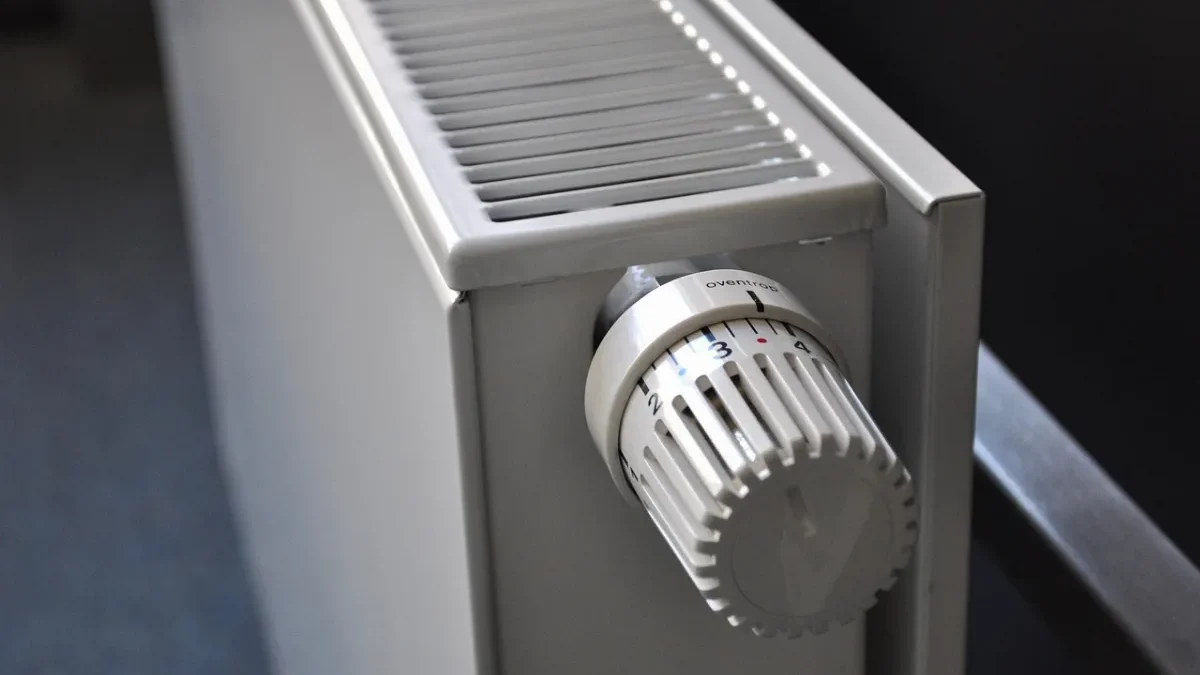
The thermostat is the brain. It senses the water temperature and switches the element off once the water reaches the set point, then back on when it cools. This on-off cycling is what keeps your water at a steady heat instead of boiling.
The anode rod
This sacrificial rod is a quiet hero. Made of a metal that corrodes more easily than steel, it draws corrosion to itself and away from the tank walls. It slowly dissolves over the years, which is exactly its job. Replacing a worn anode is far cheaper than replacing a rusted-through tank.
The safety valve and cut-out
The pressure relief valve releases pressure if the tank ever over-heats, and a thermal cut-out kills the power if the thermostat fails. Together they’re your last line of defence. I never fit a geyser without a working safety valve.
Tip: If your geyser suddenly takes much longer to heat or trips often, scale on the element is the usual suspect, not a dead machine. A descale often brings an old unit back to life for a fraction of a replacement cost.
How It All Works Together, Step by Step
Here’s the full cycle, from cold tank to hot shower, in the order it happens.
- You switch on the power. The thermostat checks the water temperature.
- If the water is cold, it connects the element to the supply.
- The element heats the surrounding water, and the hot water rises to the top of the tank.
- When the top water reaches the set temperature, the thermostat cuts the element off.
- Insulation holds that heat while the tank waits.
- You open a hot tap. Hot water leaves from the top; fresh cold water enters the bottom to replace it.
- As cold water dilutes the tank, the thermostat senses the drop and switches the element back on.
That loop repeats endlessly. It’s simple, which is exactly why a well-installed, well-maintained geyser can serve a family for a decade or more.
Storage vs Instant: The Working Difference
The two types work on the same heating principle but suit very different needs. Here’s the honest comparison I give customers.
| Feature | Storage geyser | Instant geyser |
|---|---|---|
| How it heats | Heats and stores a tankful | Heats water as it flows |
| Hot water ready | After a few minutes’ wait | Almost instantly |
| Good for | Bathing, bucket or shower | Kitchen sink, quick handwash |
| Volume | Large, fills a bucket easily | Limited continuous flow |
| Standby heat loss | Some, even when idle | None, no stored water |
Most Indian bathrooms use a storage geyser because it comfortably fills a bucket. Instant geysers shine at kitchen sinks where you want a little hot water, fast, without waiting.
What Usually Goes Wrong
Once you know the parts, common faults almost diagnose themselves. Here are the patterns I see most.
- No hot water at all: usually a failed element or a tripped cut-out.
- Water not hot enough: thermostat set low, or scale slowing the element.
- Takes ages to heat: heavy scale build-up in a hard-water home.
- Tripping the MCB or ELCB: often current leaking from a failing element.
- Leaking: a worn valve, loose joint, or a corroded tank.
Warning: If your geyser trips the ELCB or you feel even a mild tingle from a tap, switch it off at the MCB and stop using it. That points to current leakage, which is a shock risk. Call a licensed electrician before using it again.

Why Knowing This Actually Helps You
This isn’t trivia. When a technician says the element is scaled or the anode is finished, you’ll know whether the advice makes sense. You’ll also make better buying decisions, favouring a glass-lined tank and a good anode if your water is hard.
And if you ever fit one yourself, understanding the flow of water and heat makes the physical steps click into place. Our detailed walkthrough on how to install an electric geyser will feel far less intimidating now, and the pre-installation checklist will make total sense.
Frequently Asked Questions
How does a geyser heat water?
An electric element inside the tank heats the surrounding water, much like an immersion rod. A thermostat switches the element off once the water reaches the set temperature and back on when it cools. Hot water rises to the top of the tank, where the outlet pipe draws it out for your tap.
What are the main parts of a geyser?
The key parts are the insulated tank, the heating element, the thermostat, the sacrificial anode rod, and the safety valve with a thermal cut-out. The element heats, the thermostat controls, the anode protects the tank from rust, and the valve and cut-out keep the unit safe.
Does a geyser use electricity when off?
When switched off at the MCB, it uses none. When on but idle, a storage geyser cycles the element occasionally to hold temperature, so it uses a small amount to offset heat loss. Thick insulation keeps that standby use low, which is why a timer can help save power.
What is the difference between storage and instant geysers?
A storage geyser heats and holds a full tank, ready for bathing and filling buckets. An instant geyser heats water only as it flows through, with no tank, so it delivers hot water fast but in limited continuous volume. Storage suits bathrooms; instant suits kitchen sinks.
Why does my geyser take so long to heat now?
The usual cause in hard-water areas is scale coating the heating element, which insulates it and slows heating. It rarely means the geyser has failed. A professional descale of the element and tank often restores heating speed at a fraction of a replacement cost.
The Takeaway
A geyser is far less mysterious than it looks: a tank, an element, a thermostat, and a couple of safety parts, all working in a simple heat-and-hold loop. Once you can picture that, buying, servicing and troubleshooting all get easier, and you’re much harder to overcharge.
If you’re ready to go further, explore our full range of installation guides, or start with the complete water heater installation walkthrough. For a deeper look at the science of heating water, the Wikipedia water heating article is a solid, neutral read.