Key Takeaways
- The best time to install a geyser is early autumn, roughly September to October in most of India, before the pre-winter rush hits.
- Wait until the first cold snap and you’ll face higher prices, longer waits for a good plumber, and thinner stock of the model you actually want.
- Installing off-season means calmer scheduling, easier returns if something’s faulty, and time to test it properly before you truly need hot water.
- Regional timing varies: the hills need it earlier, coastal and southern homes have a longer, gentler window.
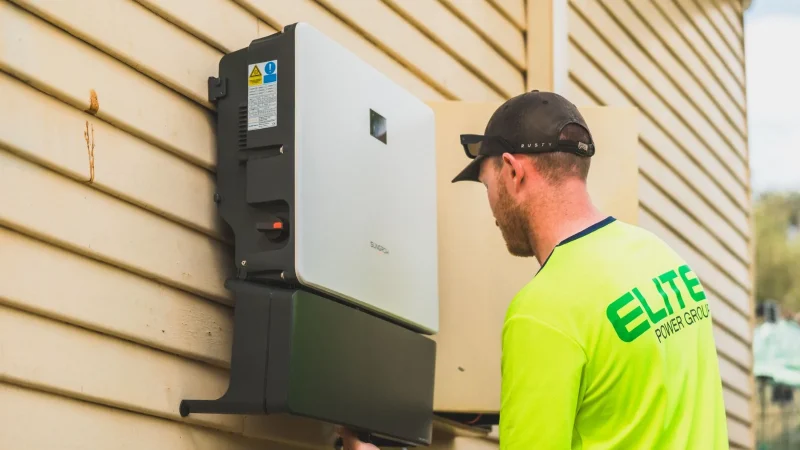
- Book the plumber and electrician together so the whole job, mounting, plumbing and earthing, is done in one visit.
Every year, like clockwork, my phone starts ringing the week the temperature drops. Everyone wants their geyser fitted or fixed on the same freezing morning, and there simply aren’t enough hours in the day. After more than a decade of these winter scrambles, I can tell you the households that stay warm and stress-free are the ones who planned ahead. By the end of this guide you’ll know the best time to install a geyser before winter, why the timing matters more than most people think, and how it changes across India’s very different climates. If you’re buying and fitting fresh, start with our complete water heater installation guide for the full technical picture.
Why Timing Matters More Than You’d Expect
A geyser is one of those purchases people put off until the moment they’re shivering under a cold tap. That delay is exactly what costs them.
When the first real cold arrives, demand spikes overnight. Every good plumber and electrician in your area is suddenly booked solid, retailers sell through their popular capacities and star ratings, and the calm, careful install you wanted becomes a rushed job squeezed between five others. I’ve seen people accept whatever model was in stock simply because they couldn’t wait another week.
Install ahead of that curve and everything eases. You get the pick of models, an unhurried fitter, and the breathing room to test the unit through a full heating cycle before you actually depend on it.
The Sweet Spot: Early Autumn
For most of India, the ideal window is early autumn, roughly September into October, while mornings are still mild but the season is clearly turning.
At this point the monsoon has largely passed, so walls are drier for drilling and there’s less risk of a wet-weather delay. Plumbers aren’t yet swamped, so you can book the exact person you trust rather than whoever’s free. And crucially, you’re installing before you need the hot water, which means a fault or a wrong fitting is a minor inconvenience, not a cold-shower emergency.
Tip: Aim to have the geyser installed and tested at least three to four weeks before you expect the first genuinely cold morning. That buffer lets you run it, watch for any drip or nuisance trip, and get a warranty replacement handled calmly if the unit turns out to be faulty.
What Happens If You Wait Until Winter
I’m not exaggerating the cost of leaving it late. Here’s what the winter rush reliably looks like on my side of the phone.
- Longer waits: a same-week fitting in October can become a ten-day wait in December.
- Thinner stock: the sensible 15 L and 25 L capacities and the higher star ratings sell out first, leaving you compromising.
- Rushed installs: a fitter juggling a dozen urgent jobs is more likely to cut a corner, and corners on earthing are exactly the ones you can’t afford.
- No time to test: a fault discovered on the coldest night is a genuinely miserable emergency.
Off-season, none of that pressure exists. If you’re weighing up what the job itself will run you, our breakdown of geyser installation cost in India explains how demand and season can nudge the fitting charge.
Timing by Region
India isn’t one climate, and “before winter” means very different dates depending on where you live. Use this as a rough guide, not a rulebook, and adjust for your own local weather.
| Region | Best install window | Why |
|---|---|---|
| North plains and hills | August to September | Cold arrives early and bites hard; demand peaks fastest |
| Central and western India | September to October | A clear but shorter winter; comfortable autumn window |
| South and coastal cities | October to November | Milder, later cool spell; a longer, relaxed window |
| Hill stations and high altitude | July to August | Genuinely cold early; you’ll want hot water sooner |
If you’re in a hill town, don’t anchor to the plains’ calendar. I’ve fitted geysers in higher-altitude homes in peak summer because the mornings there are already sharp.
Get Your Prep Done Before You Book
The households that install smoothly are the ones who’ve done a little homework before the fitter arrives. A few off-season weeks give you time for exactly this.
- Decide your capacity for your family size, so you’re not choosing under pressure on the day.
- Check whether the wall is load-bearing and whether a dedicated, earthed power point already exists.
- Sort out your mounting hardware in advance; our guide to the best geyser mounting brackets and wall fixings covers what actually holds a filled tank.
- Line up a licensed electrician alongside the plumber so wiring and earthing happen in the same visit.
- Keep the manual and bill handy so any warranty claim is painless.
Booking the plumber and electrician together is the single biggest time-saver. Splitting the job across two visits on two different days is how installs drag into the cold season.
Warning: Don’t let winter urgency tempt you into skipping the earthing check to “save a day”. A geyser in a wet bathroom without a verified earth and a working ELCB is dangerous in any season. Off-season timing exists precisely so you never have to make that trade-off.
What About Replacing an Ageing Geyser?
If your current geyser is limping, a slow drip, longer heat-up times, or a rusty tinge to the water, don’t nurse it through one more winter and hope.
Those are the units that die on the coldest night, and a mid-winter replacement is the most expensive, most stressful version of this job. I’d far rather swap a tired geyser out in October, on a calm afternoon, than get an emergency call in January. If you spot the warning signs early, a planned autumn replacement is cheaper and safer every time.
There’s a practical angle too: when you replace off-season, you can drain and dry out the old point, check the earthing properly, and even upgrade the mounting if the old bracket was suspect. Rushed winter swaps skip all of that. In the homes I’ve serviced, the ones who plan the replacement are the ones who go years without another call from me.
A Quick Pre-Winter Timeline
Here’s the simple rhythm I recommend to anyone who wants to sail into winter with reliable hot water and zero panic.
- Six to eight weeks before cold: decide capacity and type, compare models, sort mounting hardware.
- Four to six weeks before: buy the geyser and book plumber plus electrician together.
- Three to four weeks before: install, fill fully, and run a complete heating cycle to test.
- Ongoing: a quick descale check if you’re on hard water, then relax into the season.
Follow that and the first cold morning is a non-event, you simply turn the tap and the hot water is there.
Frequently Asked Questions
When is the best time to install a geyser before winter?
Early autumn, roughly September to October across most of India, is ideal. The monsoon has passed, walls are drier for drilling, plumbers aren’t yet swamped, and you install before you need hot water. Aim to finish and test at least three to four weeks before the first cold morning.
Is it cheaper to install a geyser off-season?
Often, yes. In the pre-winter rush, good plumbers are booked solid and can charge a premium, while popular models sell out. Installing off-season gives you calmer scheduling, better model choice, and more room to negotiate fitting charges, though the geyser’s own price varies with sales, not season.
Should I wait until it gets cold to buy a geyser?
No. Waiting until the cold hits means longer waits, thinner stock, rushed installs, and no time to test. Buying and fitting ahead of the season lets you catch a faulty unit calmly under warranty and enjoy a proper, unhurried install by a fitter you actually chose.
How early should I install a geyser in a hill station?
Much earlier than the plains. In high-altitude and hill homes, cold mornings arrive by late summer, so July to August is sensible. I’ve fitted geysers there in peak summer because residents already wanted hot water. Match your timing to your local weather, not a national calendar.
Can a geyser be installed and used the same day?
Technically yes, but I don’t recommend rushing it. After filling the tank fully and testing, it’s wise to run a complete heating cycle and watch for leaks or nuisance trips before daily use. Installing off-season gives you that testing window instead of forcing a same-night gamble.
Plan Now, Stay Warm Later
The single best decision you can make about a geyser is to fit it before you need it. Early autumn gives you choice, calm, and a proper test window, while waiting for the first cold morning hands you the opposite. Adjust the dates for your own climate, book the plumber and electrician together, and you’ll walk into winter without a single cold shower.
For more, browse all our installation guides or return to the complete water heater installation guide. To understand how modern water heating works before you buy, the Wikipedia overview of water heating is a clear starting point.