Key Takeaways
- Most water-heating savings come from small, free changes, not expensive gadgets: the right temperature, shorter heating windows, and less waste at the tap.
- Insulating the tank and hot pipes, and a simple timer or plug-in timer switch, are the two low-cost upgrades that pay back fastest.
- A star-rated geyser and regular descaling keep the machine itself efficient, so it delivers hot water with fewer units.
- Right-sizing the geyser to your household stops you from paying to heat water you never use.
- Stack these habits together and a typical family can meaningfully cut its winter hot-water bill without ever taking a cold bath.
When a family tells me their electricity bill “explodes in winter”, the geyser is almost always the culprit. Heating water is one of the most power-hungry things a home does, and in the hundreds of homes I’ve serviced, the difference between a heavy bill and a sensible one usually comes down to a handful of habits, not the brand on the tank. By the end of this round-up you’ll have seven practical, tried-and-tested ways to cut your water-heating costs, ranked roughly from the easiest and cheapest to the ones worth a small spend. It sits alongside our wider look at water heater efficiency, which explains the “why” behind all of this.
None of these need you to compromise on a hot bath. They’re about not paying to heat water you’ll never use.
1. Set the Thermostat to a Sensible Temperature
This is the first thing I check and the biggest quick win. A geyser cranked to maximum keeps a scalding tank of water hot all day, losing heat to the room and reheating constantly. Bringing it down to a sensible 55–60°C cuts that standing loss and slows scaling, with no real loss of comfort because you were mixing in cold water anyway.
It costs nothing and takes minutes. If you’re not sure where your dial sits, our step-by-step on setting the right geyser temperature walks through it safely.
2. Heat Only When You Need It
A storage geyser left on all day is like leaving a pan simmering on the stove between meals. It keeps topping up heat you’re not using. The fix is to switch it on 15 to 30 minutes before a bath and off again afterwards.
A modern, well-insulated geyser heats a tank surprisingly fast, so you rarely need it running for hours. If remembering to flip the switch is the hard part, that’s exactly what a timer solves, see point four.
There’s a myth I hear constantly on this one: that switching the geyser off and on “uses more power at startup” than just leaving it on. It doesn’t. The energy to reheat a slightly cooled tank is far less than the energy wasted keeping a full tank hot for hours you’re not using it. In every home where I’ve persuaded a family to stop leaving it on all day, the bill came down, not up.
Tip: If your household bathes at roughly the same times each day, note the pattern for a week. You’ll usually find the geyser only needs to be on for two short windows, not the whole morning. That single observation often trims the most off a bill.
3. Insulate the Tank and the Hot Pipes
Every geyser loses heat through its casing and, more sneakily, through the metal hot-water pipe leaving the tank. That first stretch of pipe drains warmth even when no one’s using it.
Wrapping the exposed hot pipe with foam pipe insulation is a cheap, DIY-friendly job that keeps water hotter for longer between uses. On older geysers with thin insulation, an insulating jacket around the tank can help too, though most modern PUF-insulated geysers already handle this well from the factory. Check the pipe first, it’s usually the neglected part.
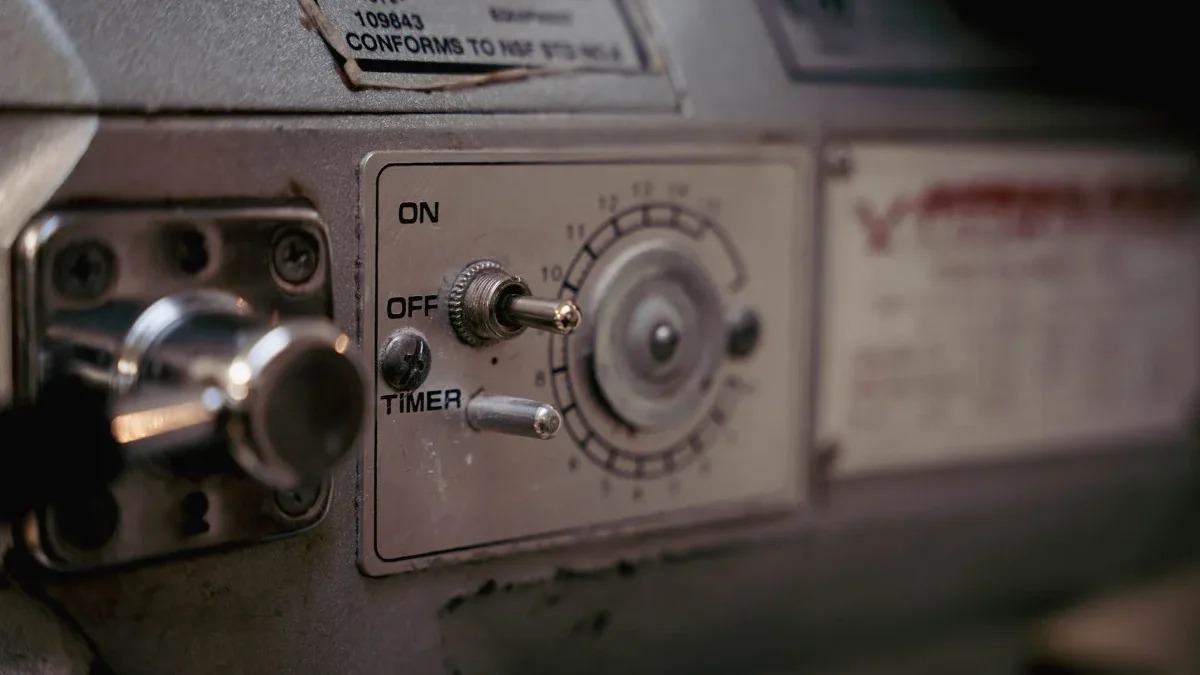
4. Add a Timer or Timer Switch
A timer takes willpower out of the equation. Instead of relying on someone remembering to switch off, the geyser turns on and off on a schedule that matches your bathing times. You get hot water when you want it and nothing wasted the rest of the day.
Options range from a simple plug-in timer switch to a proper wired timer or a smart geyser with an app. If you’re weighing whether a timer beats simply relying on the built-in thermostat, our comparison of a geyser timer versus the thermostat lays out which saves more, and when.
Warning: A geyser draws a heavy current, so any wired timer must be rated for that load and installed on the dedicated 16A point with proper earthing and an ELCB. Don’t run a high-wattage geyser off a flimsy plug timer meant for lamps. If in doubt, have a licensed electrician fit it.
5. Descale and Service on Schedule
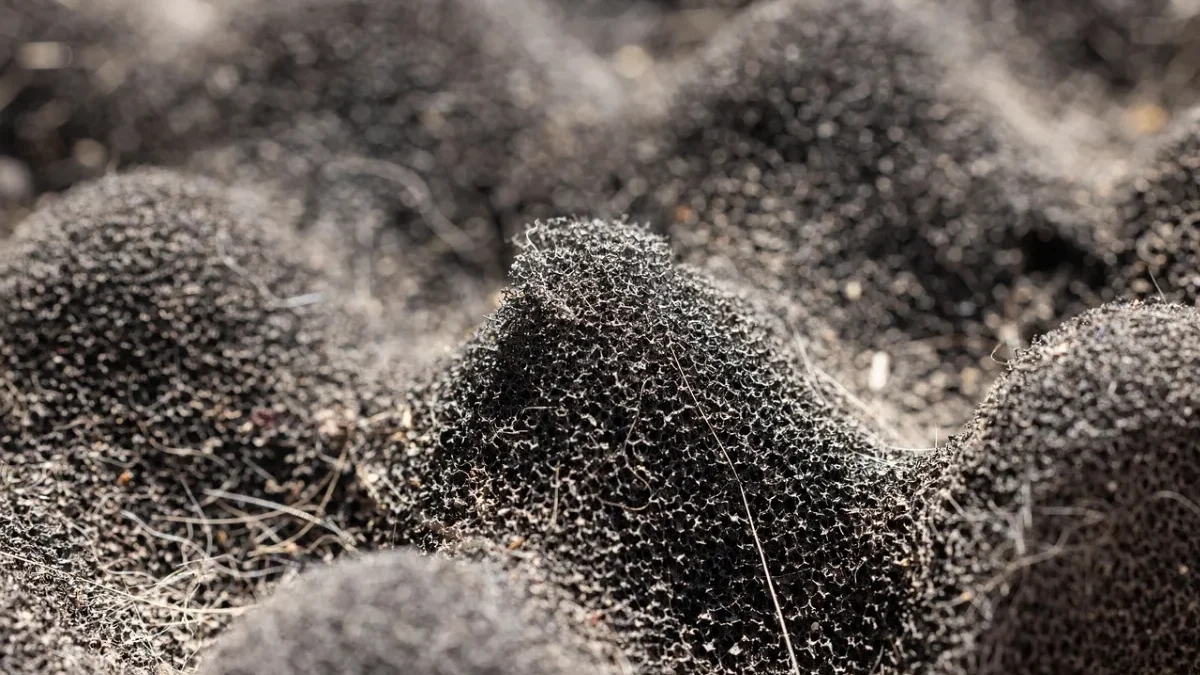
A scaled-up geyser is a wasteful geyser. Limescale on the element acts like a blanket, so the element runs longer to heat the same tank and burns more units. In hard-water cities this happens fast.
Keeping the geyser descaled and serviced restores its heating speed and efficiency. It’s maintenance that pays for itself in lower bills and a longer-lived element, which is why I count it as a cost-saving move, not just an upkeep chore.
6. Cut Waste at the Tap
The cheapest hot water is the hot water you don’t use. Small behaviour changes stack up:
- Take shorter showers, or switch to a bucket bath, which uses far less hot water than a long shower.
- Fix dripping hot taps promptly, a slow hot drip is heated water running to waste.
- Fit a low-flow shower head so less hot water goes down the drain per minute.
- Don’t run the geyser for a quick hand-wash, cold or lukewarm is fine for most of these.
Individually these feel trivial, and that’s exactly why people skip them. But a family of four taking slightly shorter baths, on a geyser that isn’t overheating, adds up to real litres of hot water saved every single day. These are the everyday habits that, added together, quietly bring the bill down. There are plenty more of them in our list of habits that cut your hot water bill.
7. Right-Size and Choose an Efficient Geyser
This one applies when you’re buying or replacing. An oversized geyser heats and holds more water than you need, so you pay standing losses on litres you never touch. Matching the tank to your household, and picking a higher BEE star-rated model, means the machine wastes less from day one.
A star rating is the government’s honest shorthand for efficiency, so it’s worth paying attention to on the label. For a family that uses hot water only briefly, an instant geyser in some bathrooms can also beat keeping a large storage tank hot all day.

The Seven Ways, Ranked by Effort and Cost
Here’s the whole list at a glance, so you can start with the free wins and work up to the small spends.
| Way to save | Cost to do | Effort | Saving impact |
|---|---|---|---|
| Sensible thermostat setting | Free | Low | High |
| Heat only when needed | Free | Low (daily habit) | High |
| Insulate tank & pipes | Low | Medium | Medium |
| Add a timer | Low–medium | One-time fit | Medium–high |
| Descale & service | Low | Periodic | Medium |
| Cut waste at the tap | Free–low | Low (daily habit) | Medium |
| Right-size / star-rated geyser | At purchase | One-time choice | Medium–high |
The pattern is clear: the biggest savings sit at the top and cost nothing. Start there before spending a rupee. The gadgets and upgrades are worth it, but they build on good habits rather than replacing them.
Putting It Together
In the homes where I see the biggest drop in bills, nothing dramatic happened. The family simply set a sensible temperature, switched to heating in short windows, and stopped leaving the geyser on all day. The insulation, timer and descaling then squeezed out a bit more. Stacked together, that’s a real, repeatable saving every winter, without anyone ever facing a cold bath.
If you want the rupee-level detail on how these translate into a lower bill, our guide on reducing your geyser electricity bill runs the numbers.
Frequently Asked Questions
What is the cheapest way to save on water heating?
The cheapest wins are free: set the thermostat to around 55–60°C instead of maximum, and heat water only in short windows before a bath rather than all day. Both cut standing heat loss immediately without any purchase. Cutting waste at the tap adds to it at no cost.
Does turning the geyser off between uses really save power?
Yes. A storage geyser left on keeps reheating the tank to replace heat lost to the room, even when no one uses it. Switching it off between baths, or using a timer, stops that constant top-up. A well-insulated geyser reheats quickly, so you rarely lose comfort.
Is it worth insulating a geyser tank?
Insulating the exposed hot-water pipe is almost always worth it and cheap to do. A tank jacket helps mainly on older geysers with thin insulation; most modern PUF-insulated models already lose little through the casing. Check the pipe first, as it’s the commonly neglected heat leak.
Does a higher star rating actually save money?
Yes, over the geyser’s life. A higher BEE star rating means less standing heat loss, so the geyser needs fewer units to deliver the same hot water. The saving is modest per bath but adds up across years of use, which is why it’s worth checking the label when buying.
Do timers save more than just switching off manually?
They save about the same, but reliably. Manual switching works only if everyone remembers, which rarely happens on busy mornings. A timer enforces the schedule automatically, so you consistently avoid heating water you won’t use. That reliability is where the real, repeatable saving comes from.
Start With the Free Wins
You don’t need to do all seven at once. Set a sensible temperature and heat in short windows this week, then add the pipe insulation and a timer when you can. Each step is a permanent trim to the bill. For the bigger picture on running an efficient home hot-water setup, browse our full water heater efficiency guides, and if you’d like an independent view on energy labelling, the Bureau of Energy Efficiency explains India’s star-rating scheme.