Key Takeaways
- A solar water heater costs far more to buy and install, but its running cost on sunny days is close to zero because the sun does the heating.
- An electric geyser is cheap to buy but you pay for every unit it consumes, month after month, for its whole life.
- Solar makes the most sense for families with high daily hot-water use, good rooftop sun, and a plan to stay put long enough to recover the upfront cost.
- Almost every solar system needs an electric backup element for cloudy days and winter, so you rarely escape electricity entirely.
- For a small flat, low usage, or a rented home, a good electric geyser used sensibly is often the smarter money.
“Solar is free hot water, right?” I hear this a lot, usually from someone staring at a scary summer electricity bill. The honest answer is: the sunshine is free, but the system that captures it certainly isn’t. Over the years I’ve fitted and serviced both, and the running-cost question is more interesting than the sales pitch on either side. By the end of this you’ll understand what each type actually costs to run, how long a solar system takes to pay back, and which one fits your home, usage, and budget. If you want the wider picture on running costs first, our complete guide to water heater efficiency sets the scene, and this piece zooms in on the solar-versus-electric money question.
How Each One Heats Water
An electric geyser is simple: an element inside the tank turns electricity into heat. Every drop of hot water you get has a unit cost attached, because it all comes from the meter.
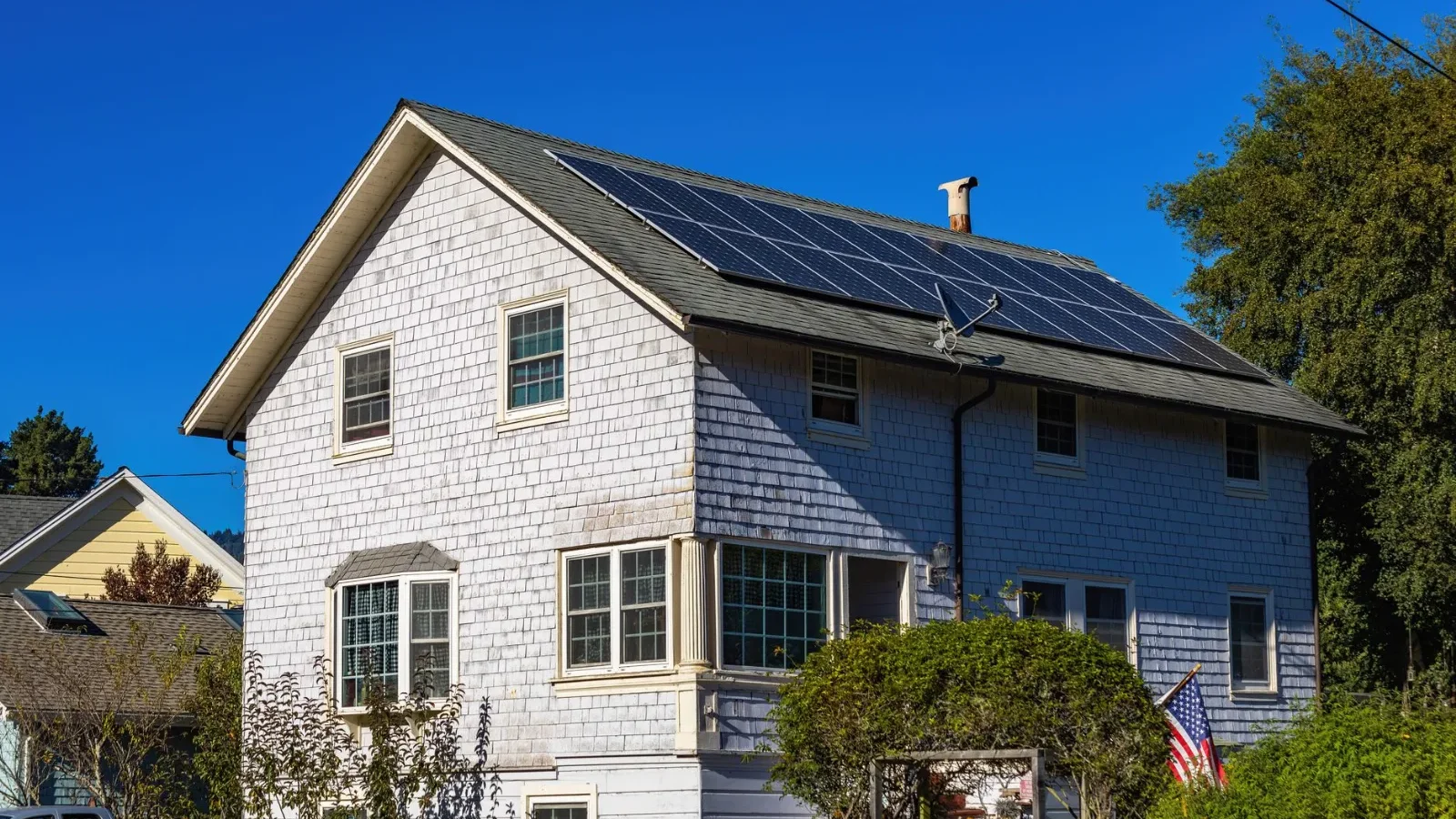
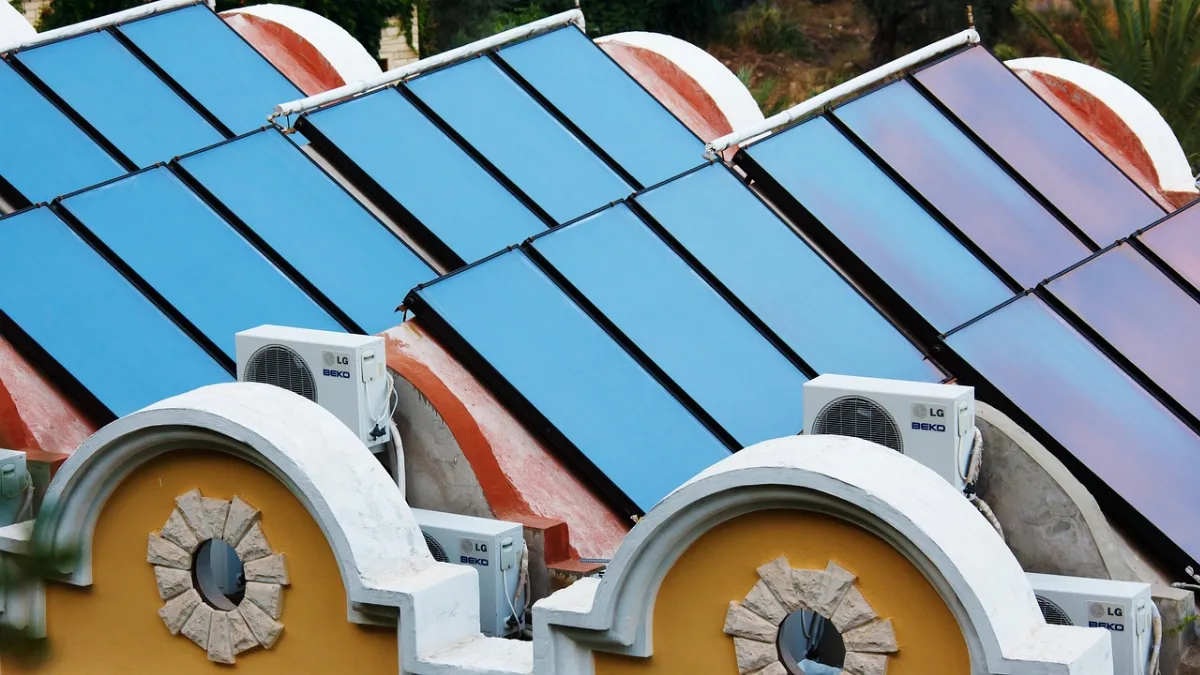
A solar water heater uses rooftop collectors to absorb the sun’s heat and transfer it to water stored in an insulated tank. On a bright day, the sun does the work and the system draws little or no grid power. That’s where the savings come from.
The catch is the sun isn’t reliable. Cloudy days, monsoon, and cold winter mornings all reduce the free heat, which is why nearly every solar system in India includes an electric backup heater that kicks in when the water isn’t hot enough. So in practice, solar means “mostly free heating, topped up by electricity when needed”, not “no electricity ever”.
Upfront Cost: The Big Gap
This is where the two part company sharply. An electric storage geyser is a modest purchase. A solar water heater is a whole system: collectors, a larger insulated tank, mounting, and plumbing, plus rooftop installation labour.
The figures below are typical, approximate ranges to show the shape of the gap, not fixed quotes. Prices vary widely by brand, capacity, city, and rooftop access.
| Electric geyser | Solar water heater | |
|---|---|---|
| Typical upfront cost | Roughly ₹7,000–₹20,000 fitted | Roughly ₹25,000–₹70,000+ fitted |
| Running cost, sunny day | Full electricity cost | Near zero |
| Running cost, cloudy/winter | Full electricity cost | Backup electricity cost |
| Needs rooftop space | No | Yes, with good sun |
| Suits renters | Yes | Rarely worth it |
| Typical lifespan | Several years | Often longer, tank aside |
So you’re trading a big one-time payment against years of lower monthly bills. Whether that trade pays off depends almost entirely on how much hot water your family actually uses.
Running Cost: Where Solar Wins
On a clear day, a solar system heats your water for practically nothing. The more hot water you use, the more electricity you avoid, and the faster the upfront cost comes back. That’s the core logic.
An electric geyser, by contrast, has a running cost that never goes away. Every winter morning, every extra bucket, adds units to your bill. A family of four running hot water daily will feel this far more than a single person who bathes with warm water a few months a year.
This is why usage is the deciding factor. A high-use household saves a lot with solar because there’s a lot of electricity to avoid. A low-use household saves little, so the big upfront cost takes far too long to recover.
Put it in everyday terms. Heating water is heavy work, so a family that fills several buckets of hot water a day, all year, is burning a serious number of units on an electric geyser. Shift most of that onto free rooftop heat and the monthly bill visibly drops. But a home that runs the geyser for twenty minutes on a handful of winter mornings was never spending much to begin with, so there is simply little cost for solar to remove. The saving can only ever be as large as the electricity bill it replaces.
Tip: Before you commit to solar, look at your actual hot-water pattern across a full year, not just peak winter. Many families use very little hot water for six or more months. If that’s you, an efficient electric geyser used with a timer may beat solar on total cost.
Payback: When Does Solar Break Even?
Payback is simply how long the monthly savings take to repay the extra upfront cost. The maths is easy in principle: divide the price difference by your yearly electricity saving.
The trouble is both numbers vary hugely. A high-use family on expensive grid power in a sunny city might recover the cost in a handful of years. A low-use family in a cloudy region, or someone who moves house every couple of years, may never break even before the system or their tenancy ends.
My honest rule of thumb from the field: solar pays back well when you have genuinely high daily hot-water demand, a sunny rooftop, and you plan to stay in the same home for many years. Take any one of those away and the case weakens fast.
Two households, two very different answers
Think of two homes I’ve dealt with. The first was a joint family of six in a sunny, own-home locality who ran hot water for baths, dishes and cleaning almost every day of the year. Their electric bill for water heating was heavy, so the free daytime solar heating clawed back a lot each month, and the system’s price started making sense over the years they planned to stay.
The second was a couple in a rented second-floor flat who used the geyser only on winter mornings. Their yearly water-heating spend was small to begin with, so even near-free solar heating had little to claw back, and they couldn’t take a rooftop system with them anyway. For them, spending tens of thousands upfront would have been throwing money away, an efficient electric geyser on a timer was clearly the right call.
Same technology, opposite verdicts. That’s why I never give a blanket “solar is better” answer, it genuinely depends on the numbers in front of you.
The Hidden Factors People Forget
Running cost isn’t the whole story. A few practical things swing the decision, and I always raise them before anyone buys.
- Rooftop access and sun. Solar needs a clear, south-facing roof with no shade from tanks, trees, or taller buildings. A shaded roof kills the savings.
- Hard water. Solar collectors and tanks scale up just like electric geysers. In hard-water areas you’ll need regular maintenance either way.
- Space and structure. A solar tank is large and heavy. Not every rooftop or older building is suited to carrying it.
- Backup running. The electric backup element still costs money on dull days, so budget for some electricity year-round.
- Renting. You can’t easily take a rooftop solar system with you, so for tenants it rarely makes financial sense.
For the day-to-day savings side, whichever system you own, our habit-based guide on cutting your hot water bill applies to both. Good habits shrink the bill on an electric geyser and stretch the free heat further on solar.
Which Should You Choose?
Here’s how I’d steer people, plainly.
Choose solar if
You own your home, have a sunny unshaded rooftop, use a lot of hot water daily across most of the year, and can afford the upfront cost as a long-term investment. In that situation the near-free daily heating genuinely adds up.
Choose electric if
You live in a flat or rented home, have limited or shaded roof space, use hot water only in winter, or want the lowest upfront spend. A good electric geyser, run on a sensible schedule, keeps both purchase and running costs reasonable.
Either way, how you use the geyser matters as much as which one you pick. Pairing the right choice with smart controls, as covered in our look at geyser timers versus thermostats, is what actually keeps the bill down.
Warning: A solar system’s electric backup is still a live electrical appliance and needs proper earthing and an ELCB/RCCB just like any geyser. Don’t assume “solar” means no electrical safety concerns. Have the backup heater wired and protected by a licensed electrician.

Frequently Asked Questions
Is a solar water heater cheaper to run than an electric geyser?
Yes, on sunny days a solar heater runs at close to zero cost because the sun heats the water. An electric geyser pays for every unit it uses. But solar needs an electric backup for cloudy days and winter, so you never escape electricity entirely.
How long does a solar water heater take to pay for itself?
It depends on your hot-water usage, local electricity rate, and sunshine. High-use families in sunny cities can recover the cost in a handful of years. Low-use homes or those with shaded roofs may take far longer, sometimes longer than the system lasts.
Does a solar geyser work in winter and monsoon?
It works, but less well. On cloudy or cold days the collectors gather less heat, so the built-in electric backup element tops up the water. You still get hot water, but on dull days you’re partly running on electricity, not free solar heat.
Is solar worth it for a small family or a flat?
Usually not. Solar’s savings scale with high usage, and the upfront cost is large. A small family or a flat with limited rooftop access typically uses too little hot water to recover the investment. An efficient electric geyser is often the smarter money.
Do solar water heaters need maintenance like electric ones?
Yes. Solar tanks and collectors scale up in hard water just like electric geysers, and the backup element needs checking. Expect similar descaling and servicing needs, plus occasional cleaning of the rooftop collectors so they keep absorbing sunlight efficiently.
The Sensible Verdict
Solar wins on running cost and loses on upfront cost; electric is the reverse. The right answer isn’t universal, it’s whichever recovers its cost given your usage, roof, and how long you’ll stay. If you use plenty of hot water and own a sunny home, solar is a genuinely good long-term bet. If not, a well-run electric geyser is nothing to apologise for. To weigh up every option properly, start with our full water heater efficiency guides, and for the basics of how solar water heating works, the Wikipedia overview of solar water heating is a solid primer.