Key Takeaways
- A thermostat controls how hot the water gets; a timer controls when the geyser is allowed to heat at all. They solve different problems.
- The single biggest waste in most homes is a geyser left switched on for hours after the bath is over, which a timer fixes and a thermostat cannot.
- Lowering the thermostat a few degrees trims standby heat loss steadily, but the savings are modest compared to cutting run-time.
- For most Indian families, a timer (or simply a disciplined manual switch) saves more money than fiddling with the thermostat.
- Used together, a sensible thermostat setting plus a timer or fixed schedule gives you both safety and the lowest bill.
Almost every week someone shows me an electricity bill and asks the same thing: “Should I put a timer on the geyser, or is it enough to just turn the thermostat down?” It’s a fair question, because both are sold as money-savers and they sound similar. But in the hundreds of homes I’ve serviced, the two do genuinely different jobs, and confusing them is why people spend on a gadget that barely moves their bill. By the end of this you’ll understand exactly what each one controls, which saves more in a typical Indian home, and how to combine them for the lowest running cost. If you want the wider picture first, our guide to water heater efficiency sets the scene.
What a Thermostat Actually Does
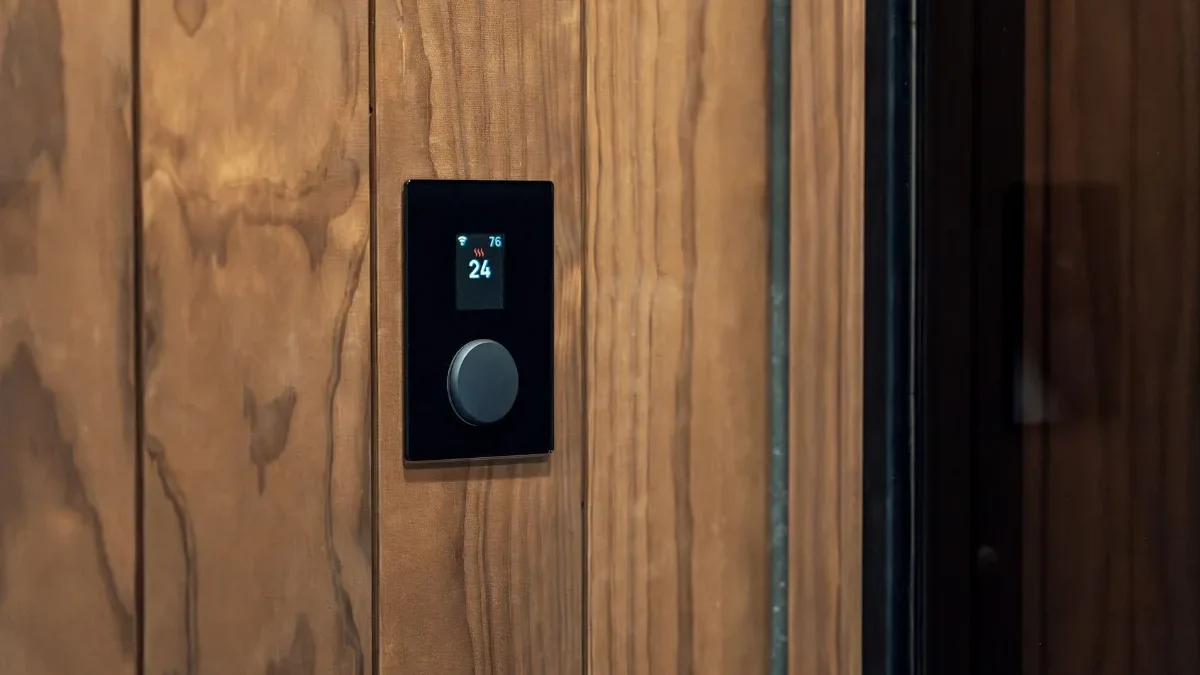
The thermostat is the small dial or sensor inside your geyser that decides the target temperature. When water in the tank drops below that set point, the thermostat switches the element on; when it reaches the set point, it switches the element off. That’s its whole job.
So the thermostat governs how hot the stored water is. Turn it down and the water is cooler, which means the geyser loses less heat to the surrounding air while it sits idle, and it takes slightly less energy to top up. That’s a real saving, but it’s a gentle one.
What a thermostat cannot do is stop the geyser heating when you don’t need it. If you leave the geyser on all day, the thermostat will dutifully keep reheating the tank to its set point every time it cools, hour after hour. It has no sense of time.
What a Timer Actually Does
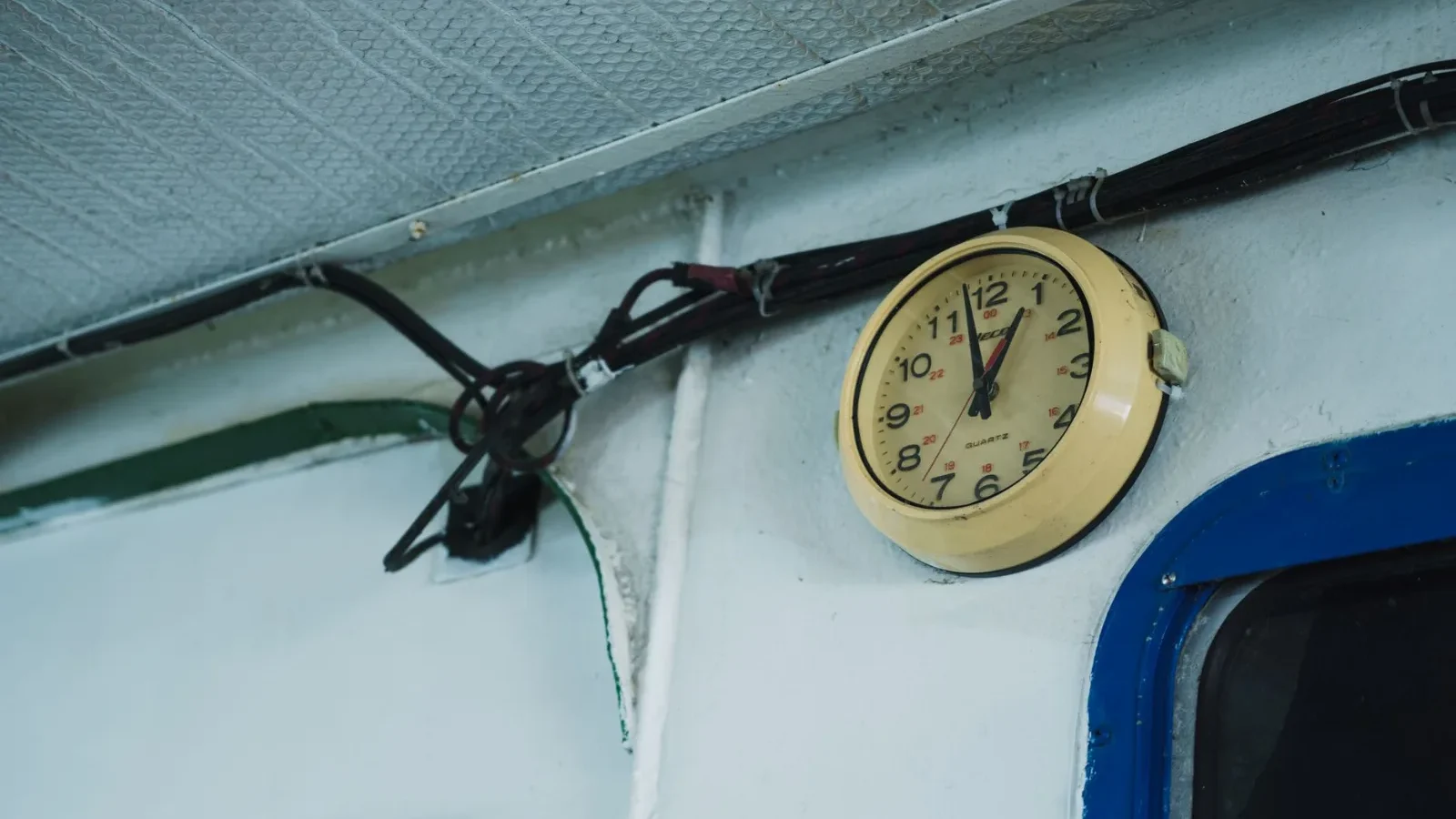
A geyser timer is a switch that cuts power to the geyser on a schedule you set. A common setup is to have it come on for thirty to forty-five minutes before the family’s bath time and switch off automatically after. The rest of the day, the geyser draws nothing.
So the timer governs when the geyser is allowed to work. It does nothing to the water temperature; it just decides whether the geyser is powered at all. This directly attacks the most common waste I see, which is a geyser quietly reheating an untouched tank all morning and evening.
Timers come in a few flavours in India: a simple plug-in or wall mechanical timer, a digital programmable timer, and increasingly a smart Wi-Fi switch you control from your phone. They all achieve the same core thing, which is limiting run-time.
The three common timer types
A mechanical timer is the cheapest, a dial you rotate to set an on-window; it’s reliable but crude and easy to forget to reset. A digital programmable timer lets you set different schedules for different days, which suits families whose bath times shift on weekends. A smart Wi-Fi switch adds phone control and remote switching, so you can turn the geyser on from bed and have hot water ready by the time you’re up.
The important point is that none of these saves more electricity than another for the same schedule. The energy saved comes from the hours you cut, not from how clever the timer is. Buy for the convenience you’ll actually use, not for a promised saving the gadget can’t really deliver on its own.
Tip: A timer must be rated for the geyser’s full load. A 15 L storage geyser is typically a 2 kW appliance, so use a timer and wiring rated comfortably above that, on the dedicated 16A point. A cheap under-rated timer will overheat and fail.
Where the Money Is Actually Lost
To decide which saves more, you have to understand where a geyser wastes energy. There are two buckets.
Standby loss
Even a well-insulated tank slowly leaks heat into the bathroom air. The hotter you keep the water, the faster it leaks, so the thermostat setting affects this. But modern PUF-insulated tanks are fairly good, so standby loss on a decent geyser is real but not enormous.
Needless reheating
This is the big one. If a geyser stays powered for four hours when you only needed hot water for twenty minutes, it keeps re-topping the tank every time standby loss cools it. That is hours of the element running for nothing. A timer eliminates this entirely; the thermostat can’t touch it.
In plain terms: the thermostat trims the smaller bucket, the timer empties the bigger one. That’s the heart of the answer.
A real example from a home I visited
One family called me because their winter bill had jumped and they were sure the geyser was faulty. It wasn’t. Their 25 L geyser was switched on the moment the first person woke, around six, and nobody remembered to turn it off until the last person left for work near nine. That’s roughly three hours of the element cycling on and off to keep a full tank hot, when the actual baths were done inside the first hour.
I didn’t touch the thermostat. I just fitted a simple timer set for a forty-minute morning window. The geyser now heats once, everyone bathes, and it cuts out on its own. The habit hadn’t been laziness, it was simply that in a busy morning, nobody’s job was to remember the switch. That’s exactly the gap a timer fills, and it’s why run-time, not temperature, was the real story on their bill.
Timer vs Thermostat: Side by Side
| Thermostat | Timer | |
|---|---|---|
| What it controls | How hot the water gets | When the geyser is powered |
| Tackles standby loss | Yes, modestly | Indirectly (off = no loss) |
| Tackles needless reheating | No | Yes, directly |
| Typical saving | Small but steady | Larger in most homes |
| Cost to add | Already built in | Roughly ₹300–₹2,500 by type |
| Effort | Set once | Set schedule, adjust seasonally |
Notice the thermostat is already inside your geyser at no extra cost, so “using the thermostat well” is free. The timer is a small purchase, but it attacks the larger waste. That’s the trade-off in one table.
So Which One Saves More?
For most families, the timer wins, but with an important caveat: only if your current habit is leaving the geyser on for long stretches. The saving comes from the run-time you cut, not from the timer itself.
Here’s the honest truth I tell people. A timer and a disciplined finger on the wall switch achieve almost the same result. If you genuinely switch the geyser off the moment your bath is done, every day, without fail, you’re already capturing most of the timer’s benefit for free. The timer’s real value is that it removes the need to remember.
The thermostat’s saving is smaller but effortless and permanent. Set it to a sensible warm rather than scalding, and you save a little every single day with zero ongoing effort. There’s no reason not to do it.
So it isn’t really a fight. Set the thermostat sensibly and control run-time, whether by timer or discipline. If you want a fuller list of levers, our roundup of the best ways to save on water heating costs covers both and more.
Warning: Don’t set the thermostat so low that stored water sits lukewarm for long periods. Very low storage temperatures over time can encourage bacterial growth in the tank. A comfortably hot setting, not scalding and not tepid, is the sweet spot for both safety and saving.
How to Set Both for the Lowest Bill
Here’s the practical routine I recommend to families who want the smallest bill without a cold bath.
- Turn off power at the MCB before touching the thermostat, and let a licensed technician adjust internal dials if you’re not confident.
- Set the thermostat to a comfortably hot level rather than the maximum, so standby loss and scale build-up both drop.
- Work out your real hot-water window, for example one hour in the morning for baths.
- Fit a suitably rated timer, or set a firm habit, to power the geyser only for that window plus a short warm-up.
- Review seasonally: in winter you may need a longer window and slightly higher setting; in summer, far less.
Do those five things and you’ve covered both buckets of waste. For the daily behaviour side, our list of habits that cut your hot water bill pairs neatly with this setup.
Frequently Asked Questions
Does a geyser timer really save electricity?
Yes, if you currently leave the geyser on for long periods. A timer cuts the hours the element spends reheating an untouched tank, which is the biggest single waste in most homes. If you already switch off promptly by hand, the extra saving is small.
Is a timer or thermostat better for saving money?
They do different jobs. The thermostat sets how hot the water gets and trims standby loss modestly. The timer limits when the geyser runs and usually saves more. For the lowest bill, set a sensible thermostat level and control run-time with a timer or discipline together.
Can I just turn my geyser off manually instead of a timer?
Absolutely. A disciplined manual switch captures almost all of a timer’s benefit. The timer’s real value is removing the need to remember, which matters in busy households or if you tend to forget and leave the geyser running for hours.
What temperature should I set my geyser thermostat to?
Aim for comfortably hot rather than scalding or lukewarm. A high setting wastes energy through standby loss and speeds up scaling; too low over time can encourage bacteria in the tank. A moderate warm setting balances comfort, safety, and running cost.
Do smart Wi-Fi timers save more than mechanical ones?
Not inherently. The saving comes from cutting run-time, which any timer does. A smart timer just adds convenience: phone control, flexible schedules, and the ability to switch on remotely before you get home. The electricity saved is the same for a given schedule.
The Bottom Line
Don’t think of timer versus thermostat as an either/or. The thermostat is your free, set-and-forget saving; the timer (or a firm habit) is what stops the real money leaking away in needless reheating. Do both and you’ll feel it on the bill without ever facing a cold bucket. When you’re ready to tackle the whole picture, browse our full set of geyser efficiency guides, and for background on how these appliances are rated, the Bureau of Energy Efficiency is the official reference.