Key Takeaways
- The biggest real shift for 2026 is not gadgets but efficiency, with more five-star storage models and better insulation becoming the sensible default.
- Smart features like app control and timers are spreading down into mid-range geysers, but most buyers still get the best value from a simple, well-made unit.
- Solar and heat-pump water heaters are gaining ground in independent homes with roof space and steady sun, though upfront cost still holds many back.
- Hard-water protection is quietly improving, with better tank linings and anode options aimed squarely at Indian borewell conditions.
- Chase substance over hype: prioritise star rating, tank quality and capacity, and treat trendy features as a bonus, not a reason to buy.
Every year a customer shows me a shiny brochure and asks whether they should wait for the “latest” geyser. It’s a fair question, because the showroom floor genuinely does look different from a few years ago. But after servicing geysers across a decade, I’ve learned to separate what’s a real, lasting improvement from what’s just this season’s sticker. This is a grounded look at the water heater trends in India for 2026: what’s actually worth your attention, what’s marketing froth, and how to buy so you don’t regret it in two years. By the end you’ll know which trends deserve your rupees. For the full decision framework, start with our complete guide to buying a water heater.
Trend 1: Efficiency Is Finally the Default
The clearest change I see is that energy efficiency has stopped being a premium extra and become the baseline. A few years ago a five-star storage geyser felt like a splurge; now they’re common across the mid-range.
What’s behind it is better PUF insulation and tighter tank design, both of which cut standby heat loss, the energy a storage geyser wastes just keeping water hot while you’re at work. With electricity tariffs where they are, that daily loss is what people feel on the bill.
My honest take: this is the one trend I’d tell every buyer to lean into. A higher BEE star rating pays you back quietly, every winter, for the life of the geyser. The rating on the label is doing more real work than any feature.
Trend 2: Smart Features Trickle Down
App control, Wi-Fi scheduling, built-in timers and digital temperature displays are no longer confined to flagship models. In 2026 you’ll find them creeping into more affordable units.
Some of this is genuinely useful. A built-in timer that heats water before your morning and then cuts off is a real energy saver, because it stops the geyser reheating a full tank you won’t touch till evening.
But I’ll be straight with you: the app novelty wears off fast. I’ve serviced plenty of “smart” geysers where the owner long ago went back to the wall switch. Value a timer for what it saves, not the phone control for what it looks like.
Tip: If a “smart” feature tempts you, ask whether a plain mechanical or plug-in timer would do the same job for a fraction of the price. Nine times out of ten it will, and it won’t stop working when an app update breaks.

Trend 3: Solar and Heat Pumps Gain Ground
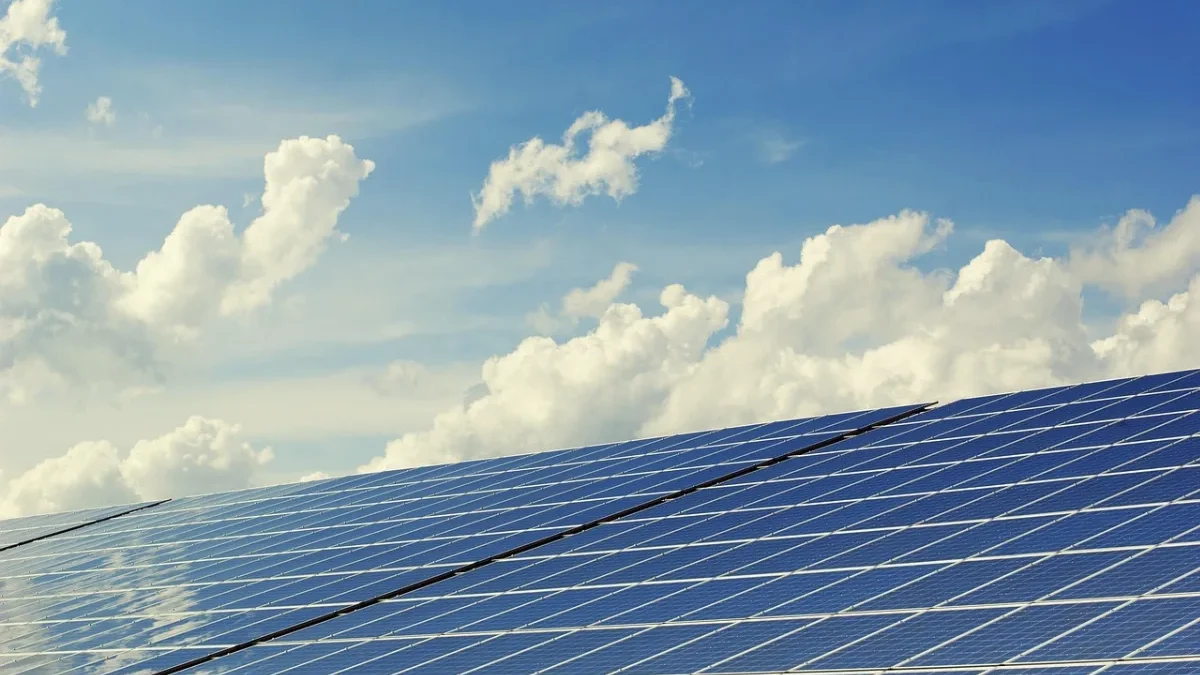
In independent houses and villas with roof space, I’m seeing steadily more interest in solar water heaters and, increasingly, heat-pump units. Both promise dramatically lower running costs than a plain electric element.
Solar makes real sense where you have reliable sun and a flat or sloped roof to mount the collector and tank. On good days it can do most of your heating for free, with an electric backup for cloudy spells.
Heat pumps, which move heat rather than generating it directly, are more efficient than a resistance element and are appearing in the premium segment. The honest catch for both is the upfront cost and, for solar, the space and plumbing run. In a compact flat, a good electric storage geyser is still the practical winner.
Gas geysers deserve a mention here too. Where piped gas or LPG is cheap and usage is high, running costs are attractive. But I’ll always add the same caution: a gas geyser must be well ventilated, never in a small closed bathroom, because of the real carbon-monoxide risk. That safety rule hasn’t changed with any 2026 trend, and it never will.
Trend 4: Hard-Water Protection Gets Serious
This is the trend closest to my heart, because hard and borewell water is what kills most geysers I open up. Manufacturers have clearly noticed the Indian reality.
Tank linings have improved, with better glass-lined and enamel coatings, and more models now ship with, or make room for, a sturdier sacrificial anode rod. Some ranges are explicitly marketed for hard-water regions.
This one is real and worth paying for if your water is hard. It’s not glamorous, but a well-protected tank is the difference between a geyser that lasts eight years and one that rusts through in three.
Which Trends Are Worth Your Money?
Here’s how I’d rank the 2026 trends for a typical Indian home, cutting through the brochure gloss. This is my working opinion, not a lab verdict.
| Trend | Real value? | Who it suits |
|---|---|---|
| Higher star rating / better insulation | High, buy into it | Everyone with a storage geyser |
| Built-in timer | Genuinely useful | Anyone with a fixed daily routine |
| App / Wi-Fi control | Mostly novelty | Tech enthusiasts only |
| Solar water heater | High long-term | Independent homes with sun and roof |
| Heat-pump geyser | Efficient but pricey | Premium buyers, larger homes |
| Better hard-water tank protection | High if water is hard | Borewell and hard-water areas |
The pattern is clear: the boring, engineering-led trends earn their place, while the screen-and-app trends are optional shine. To turn this into a real shortlist, our list of the features to look for in a good geyser keeps you focused on substance.
How to Buy in 2026 Without Overpaying
My advice hasn’t really changed with the trends, it’s just been reinforced. Work through these in order and you won’t be swayed by a demo unit’s flashing display.
- Fix your capacity first, based on how your household actually bathes, not on what’s on offer.
- Insist on a good BEE star rating; this is the trend that repays you daily.
- If your water is hard, prioritise a glass-lined tank and a replaceable anode rod over anything else.
- Add a timer only if it’s a real mechanical or built-in one that saves energy, not just app control.
- Treat solar or heat-pump options seriously only if you have the space, sun and budget for the long game.
Notice that the trendy features sit at the bottom, not the top. Prices swing a lot depending on which of these you chase, so it helps to understand what actually drives cost. Our breakdown of geyser price in India and what affects it shows exactly where each rupee goes.

The Honest Bottom Line for 2026
If you take one thing from this: the meaningful 2026 trends are about efficiency and durability, not screens. A well-insulated, five-star, hard-water-ready storage geyser sized to your family is a genuinely better buy than it was a few years ago, and that’s the upgrade worth waiting a sale for.
Don’t let a slick app talk you into a worse tank. The geysers I see still running happily after years are always the well-built, well-matched ones, never the ones bought for the demo screen.
Frequently Asked Questions
What are the main water heater trends in India for 2026?
The headline trends are better energy efficiency as standard, smart features like timers and app control moving into mid-range models, growing interest in solar and heat-pump heaters for larger homes, and improved hard-water tank protection. Of these, efficiency and durability offer the most real, lasting value for most buyers.
Are smart geysers worth buying in 2026?
Only if the smart feature genuinely saves you energy, like a good built-in timer. App and Wi-Fi control is mostly novelty that owners abandon within weeks. In most homes a simple, well-insulated geyser with a mechanical timer delivers nearly all the benefit at a much lower price.
Is a solar water heater a good idea in 2026?
It can be, if you live in an independent house with roof space and reliable sun. Running costs drop sharply once installed, with an electric backup for cloudy days. The catch is the higher upfront cost and space needed, which makes it impractical for most compact flats.
Should I wait for a newer geyser model before buying?
Usually not. The core improvements, better insulation, higher star ratings and stronger tank linings, are already widely available. If your current geyser is failing, buy a well-rated, hard-water-ready unit now rather than waiting for a marginally newer version with a fancier display.
Do heat-pump water heaters make sense for Indian homes?
They are more efficient than a plain electric element and are appearing in the premium segment, but the upfront cost is high and they suit larger homes with steady hot-water demand. For a typical flat, a five-star electric storage geyser remains the more practical and affordable choice today.
Buy the Trend That Lasts, Not the One That Shines
The best 2026 geyser for your home is the one that fits your family, protects itself against your water, and sips rather than gulps electricity. Everything else is a nice-to-have. Chase the star rating and the tank quality, and let the screens sell themselves to someone else.
Ready to shortlist? Explore our full set of geyser buying guides and work through the complete buying guide to match the trends to your own home. To read up on the star ratings that anchor the efficiency trend, the Bureau of Energy Efficiency is the official reference.